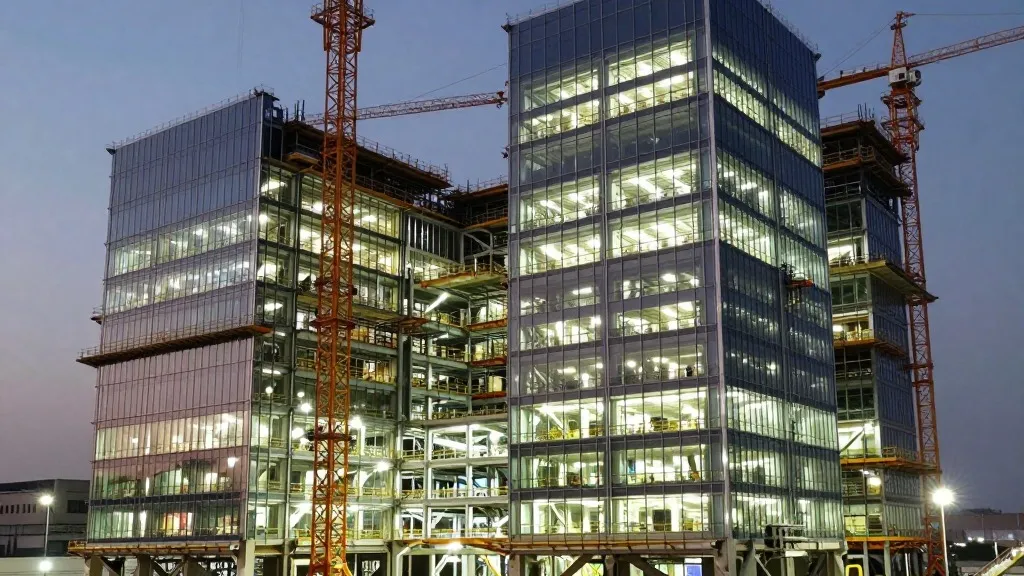
Tesla reports stable sales but shrinking profits in latest financial update
The electric vehicle maker posted flat revenue and slightly higher earnings per share, though its bottom line was squeezed by heavy spending on new technology projects.
By Ivan Petrov ·
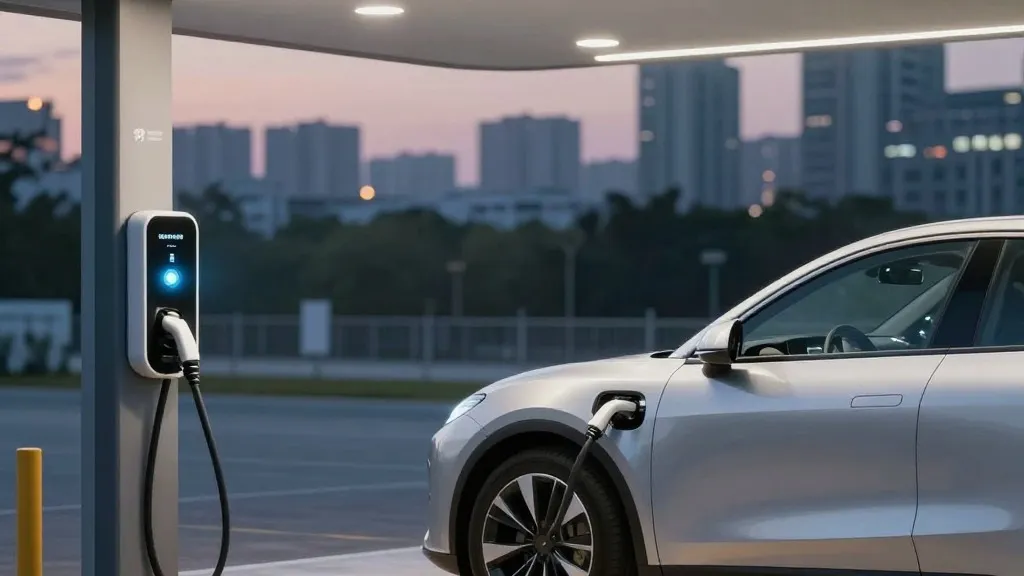
Tesla is spending aggressively on future technology even as its current profits shrink.
The company released its financial results for the third quarter of 2026 after the stock market closed on Tuesday. Revenue came in at 28.05 billion dollars, which was almost exactly what Wall Street predicted. This figure is essentially unchanged from the same period last year. While the top line remained steady, the bottom line showed signs of stress as costs rose rapidly.
Investors had expected a difficult quarter following a weak second quarter where margins dropped sharply. Analysts generally predicted earnings of 45 cents per share. Tesla beat that estimate by reporting non-GAAP earnings of 48 cents per share. Although this result was better than expected, it still represented a four percent decline compared to the same quarter in 2025. The company’s total gross margin improved to 19.6 percent, up from 18.0 percent a year ago. This recovery suggests that the core business is stabilizing even as new expenses mount.
A significant portion of this quarter’s financial profile was driven by increased operating expenses. These costs reached 4.78 billion dollars, a 39 percent jump from last year. Research and development spending surged 69 percent to 2.76 billion dollars. Tesla is directing these funds toward its artificial intelligence efforts, the Optimus robot, and the Cybercab vehicle. Additionally, stock-based compensation rose to 1.17 billion dollars, partly due to executive pay packages. This heavy investment in the future is currently outpacing the growth in gross profit, which led to a 56 percent drop in operating income.
The energy storage segment faced specific challenges this quarter. Revenue for this division fell 16 percent to 2.88 billion dollars. The company cited customer refunds related to tariffs as a contributing factor, even though the total amount of energy deployed increased by 10 percent. Conversely, the services and other segment performed strongly. Revenue in this area grew 33 percent to 4.61 billion dollars. This growth was driven by charging, insurance, and parts sales, with gross profit reaching a record high of 734 million dollars.
Tesla attributes its flat vehicle sales primarily to supply constraints rather than a lack of customer interest. The company stated that battery availability limited its ability to increase production. It reported the largest backlog for passenger vehicles in four years. However, average selling prices continued to fall, which is unusual for a company claiming supply issues. Active subscriptions for its Full Self-Driving software reached 1.74 million, a 67 percent increase. The robotaxi service also expanded, accumulating nearly two million unsupervised miles by the end of the quarter.
Looking ahead, Tesla has spent 13.01 billion dollars on capital projects in the first nine months of 2026. This is only about half of the 25 billion dollars the company planned to spend for the entire year. To meet that target, the company would need to spend roughly 12 billion dollars in the final quarter alone. This would be more than double its highest spending quarter so far. The Q3 letter did not update the annual guidance, leaving uncertainty about whether the remaining spending will accelerate or slip into next year. Management will discuss these results further on a conference call scheduled for 5:30 p.m. ET.
Source: Electrek