Roadster cockpit reveals 5,500 PSI readiness
Tesla's new interface highlights the high-pressure thruster systems and track-focused telemetry that define the upcoming high-performance vehicle lineup.
By Rafael Ortega ·
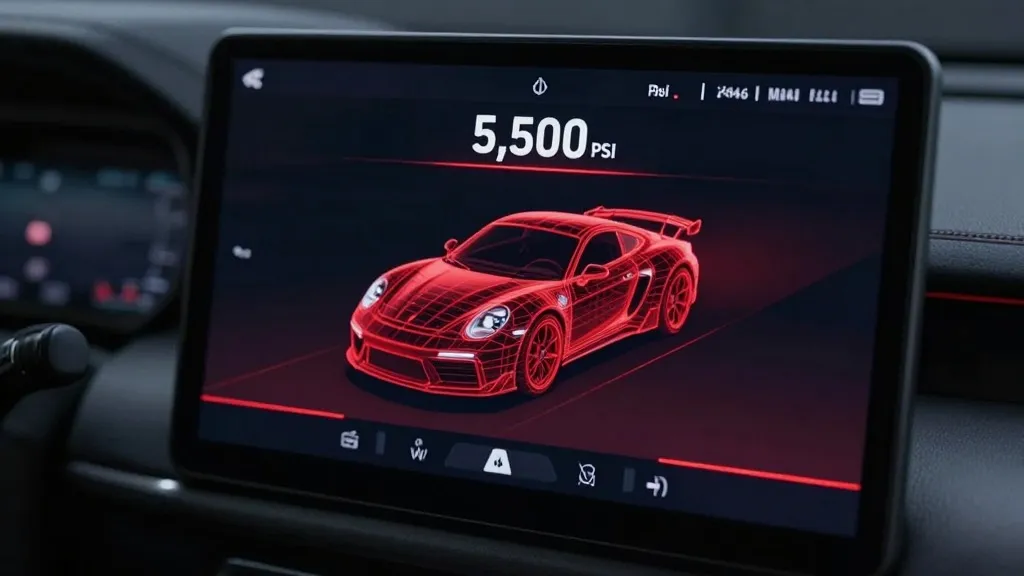
The number 5,500 stands out prominently on the bottom status bar of the new Roadster interface, displayed alongside a 'Boost Ready' indicator. This specific figure, representing PSI, serves as a digital tether between the software and the high-pressure hardware that Tesla unveiled near Waco, Texas, on October 15. It is the clearest visual cue yet that the car's performance is not just about electric motors, but about mechanical force generated by cold gas thrusters fed by carbon-overwrapped pressure vessels.
Tesla released a 34-second video on X on Friday afternoon, offering a walkthrough of the vehicle's cockpit. The company described the design as 'Inspired by fighter jet cockpits, Roadster’s interface was designed around the pilot.' The clip opens with a black screen featuring red graphics and a 3D wireframe of the car positioned next to its squared-off yoke. Interacting with the model reveals controls for the rear wing, including low drag and high downforce positions, as well as a charging page with a limit bar and a basic music player.
The navigation tabs at the bottom of the screen include Home, Vehicle, Listen, Climate, and Navigate. However, the majority of the footage focuses on Track Mode. Here, the dashboard shifts to a data-heavy layout showing a live circuit map, session lap times, and critical mechanical readouts. Drivers can monitor brake and motor temperatures, as well as the pressure and temperature of each individual tire. This level of granular telemetry suggests a vehicle built for precise, manual control rather than autonomous convenience.
Within Track Mode, a setup page allows drivers to select between Auto, Low Drag, High Downforce, or Custom aero modes. The interface also permits adjustments to aero and brake balance, with options to switch stability and traction control off entirely. These settings align with the active wings and suction system previously detailed in analyses of how the Roadster generates downforce. The base Performance model relies on a fan and ground sealing system for grip, whereas the Thrust and Rocket versions utilize the thruster technology referenced by the 5,500 PSI gauge.
The hardware capabilities implied by this interface are substantial. Tesla lists 0 to 60 mph times of under 0.9 seconds for the Thrust version and under 0.59 seconds for the Rocket version. The distinction between these configurations is significant, particularly regarding road legality. The company states that the flagship Rocket version is not approved for public road use, a detail that may influence buyer expectations for the highest tier of the lineup.
The Roadster’s user experience represents a notable departure from the rest of Tesla’s current lineup. Instead of centering a map on the primary screen, the Roadster places a model of the car itself at the center of the home page. Tesla’s official Roadster page also lists two smaller forward displays alongside the main touchscreen, suggesting a multi-screen cockpit environment. It remains unclear whether any of this Track Mode telemetry will eventually trickle down to other models, such as the Model 3 Performance, or if it will remain exclusive to the Roadster.
While the interface provides a detailed look at the software, it is not the final product. The design could still change before deliveries begin. Elon Musk indicated at the recent event that production of the Roadster is scheduled to start in 2028. Until then, potential buyers are navigating a reservation process that involves a $50,000 payment. The Thrust version is listed as a limited release, while the Rocket version is invite-only, adding a layer of exclusivity to the purchase.
For those eager to see the physical components that support this digital interface, a public viewing is available this weekend. The Roadster will be displayed in the lobby of the Petersen Automotive Museum in Los Angeles from October 24 to 27. According to Sawyer Merritt, this marks the first time the public will be able to view the vehicle up close. The event offers a rare opportunity to inspect the hardware that the 5,500 PSI gauge promises to activate.
Source: Teslarati