Serbia's new leaders defer foreign policy changes
Experts argue that internal institutional repairs will take precedence over any diplomatic pivots toward the West or away from Russia.
By Ricardo Brooks ·
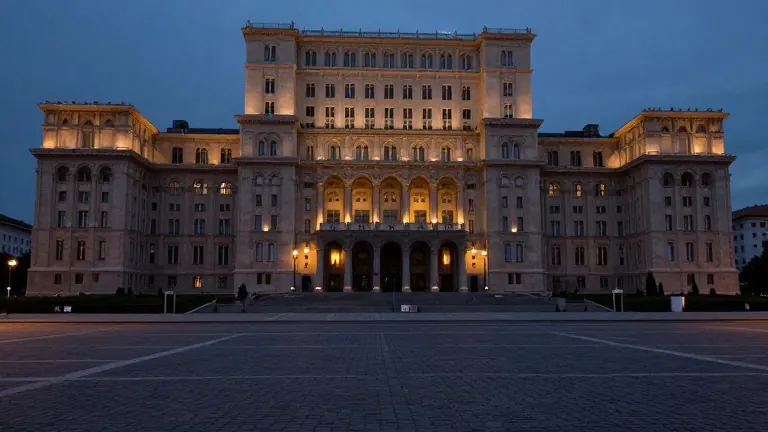
Serbia’s Student List won a decisive victory in Sunday’s election, ending 14 years of continuous rule by Aleksandar Vucic and the Serbian Progressive Party. The political shift has prompted immediate questions from international observers regarding how Belgrade’s external alliances will change. However, regional analysts caution that the new government will likely focus on domestic consolidation before altering its diplomatic posture.
Aleksandar Popov, director of the Centre for Regionalism in Novi Sad, stated that relations with neighboring countries will not be the immediate priority for the new administration. He noted that the outgoing system captured democratic institutions, including the judiciary, prosecution, police, and media. Popov argued that the new leaders must fix these internal structures before addressing diplomatic friction with Croatia, Bosnia and Herzegovina, Montenegro, and Kosovo.
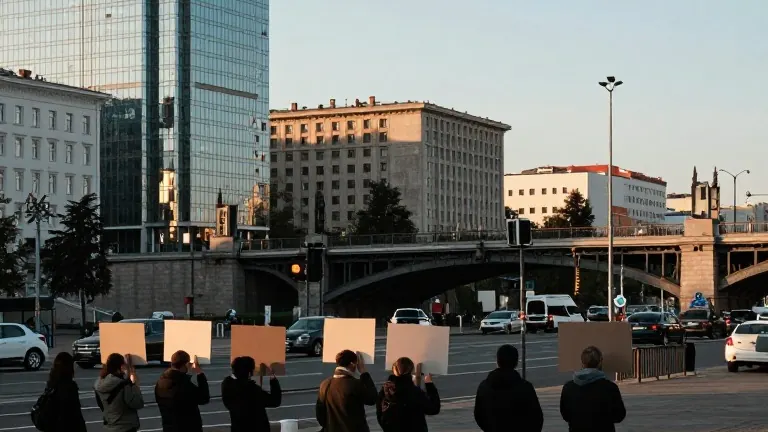
Relations with Croatia remain particularly tense due to sharp exchanges between Belgrade and Zagreb. During recent mass protests, Vucic accused the Croatian government of organizing a color revolution. Popov described the previous dynamic as a system that functioned by producing internal and external enemies, with Zagreb firing poisoned arrows that gave Belgrade an argument for retaliation.
Vuk Vuksanovic, a foreign policy lecturer at King’s College London, predicted that Serbia’s foreign policy will transform less than other aspects of public policy. He explained that many international and domestic structures shaping the country’s diplomacy will remain intact. Although Moscow never fully trusted Vucic, he viewed the former president as a known quantity. Vuksanovic said Russian influence would take a hit from the end of uncritical media coverage, but the new government is unlikely to adopt a hawkish stance overnight.
Serbia’s economic interests continue to favor ties with Russia, including preferential gas prices. The unresolved status of Kosovo and public disillusionment with the West also maintain the value of a relationship with Moscow. Vuksanovic asserted that the new government will not see benefit in joining EU sanctions or adopting a hardline approach toward Russia. The country will likely maintain its policy of not recognizing the annexation of Crimea and Donbas, though the future of ammunition deliveries to Ukraine remains uncertain.
Bosko Jaksic, a foreign policy analyst, noted that Serbia’s close partnership with Israel will face scrutiny regarding recent contracts. These agreements involve Serbian ammunition exports to Israel and Israeli surveillance equipment imports to Serbia. Jaksic observed that Netanyahu’s government has lost another authoritarian ally in Europe following Viktor Orban’s removal in Hungary. He added that Israel’s positioning toward the new Belgrade authorities will depend largely on the outcome of Israel’s own elections.
Jaksic suggested that the policy of sitting on multiple chairs, which he argued brought Serbia more harm than good, will be re-evaluated. He expects Belgrade to strengthen ties with the European Union. The new government faces the task of repairing damaged neighborly relations, as the EU will not accept a candidate country without stable regional ties. All consulted analysts agree that the international community should expect a period of intense internal reform rather than sudden geopolitical realignments.
The presidential elections are scheduled for December. Until then, the new authorities will work to stabilize the domestic political landscape. The transition period will involve assessing the extent of institutional damage left by the previous regime. International partners will monitor these internal developments closely to gauge the timing and direction of Serbia’s future diplomatic moves.
Source: Al Jazeera