Defense concession lets prosecutors cross-examine Mandelblit in Netanyahu trial
Defense lawyers in Benjamin Netanyahu's corruption trial dropped their objection to prosecutors cross-examining former attorney-general Avichai Mandelblit, though a related High Court petition remains unresolved ahead of a Sunday hearing.
By Ricardo Brooks ·
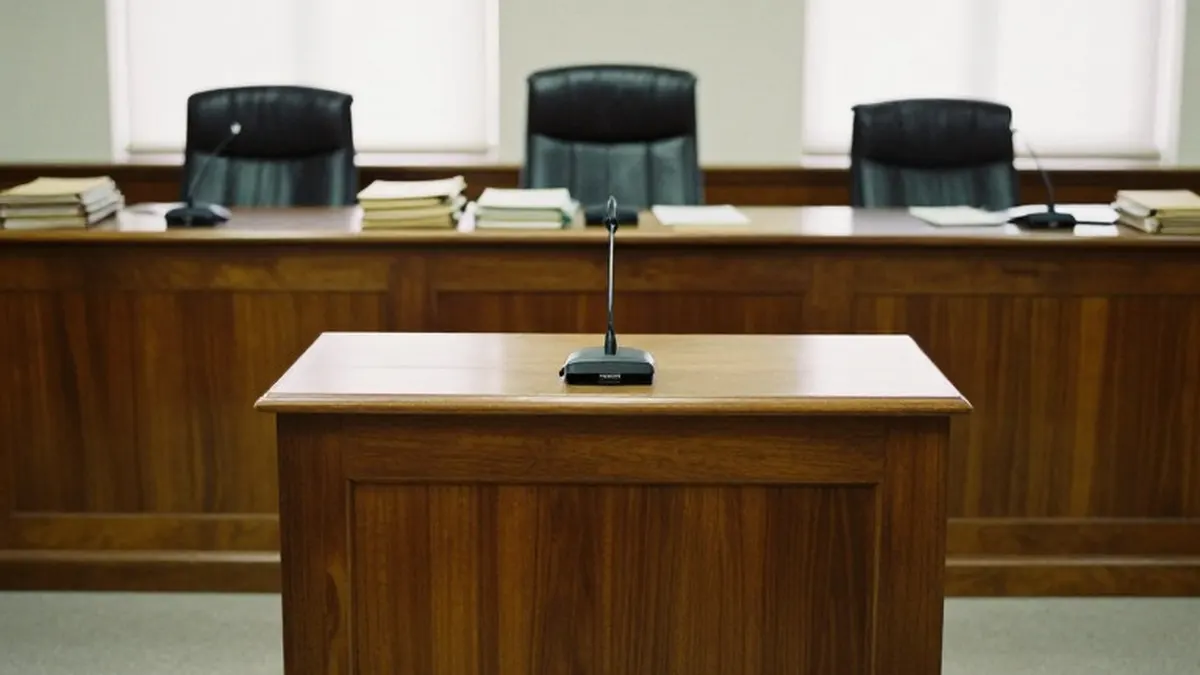
Prosecutors in Prime Minister Benjamin Netanyahu's criminal trial will be allowed to cross-examine former attorney-general Avichai Mandelblit, after defense lawyers withdrew their objection on Wednesday. The move eased restrictions that had prompted an unusual prosecution petition to the High Court of Justice this week.
The Jerusalem District Court said the arrangement would apply going forward to witnesses called by the defense, whether or not they had originally appeared on the prosecution's witness list, and expressly included Mandelblit. His testimony has focused on his authorization of the investigations into Netanyahu and the indictment.
The change did not immediately end the dispute before the High Court. Defense lawyers asked for the petition to be struck out and Sunday's hearing canceled, while prosecutors sought clarification of the law, arguing the District Court's earlier rulings could affect other criminal trials. Supreme Court President Isaac Amit directed the state to say by noon on Thursday whether it was maintaining its petition.
The trial judges, Rivka Friedman-Feldman, Moshe Bar-Am and Oded Shaham, said the defense had shifted its position for practical and procedural reasons while keeping its legal arguments, and would proceed without changing earlier decisions on witnesses who had already testified. Netanyahu's lawyer, Amit Hadad, said prosecutors could question Mandelblit as they wished: "Let them question him to their heart's content; we will object to specific questions." Jacques Chen, who represents codefendants Shaul and Iris Elovitch, also agreed to prosecution cross-examination, saying the recurring dispute was consuming time and disrupting the trial.
In a subsequent High Court filing on behalf of the Elovitches, with the agreement of Netanyahu and fellow defendant Arnon "Noni" Mozes, Chen argued the change made the requested remedies entirely unnecessary, and asked the court to strike out the petition and cancel the November 22 hearing.
Prosecutors said their petition also sought to settle the legal question beyond Netanyahu's trial. They warned that leaving the earlier rulings intact could affect how prosecutors draw up witness lists and decide which witnesses to forgo, and said defendants in other criminal cases had already cited the rulings to seek similar restrictions. The state asked the court to clarify that leaving the rulings unchanged meant only that witnesses already questioned would not be recalled.
At issue was who may ask what once a witness takes the stand. Usually, the side calling a witness questions them first, and the opposing side then cross-examines them. During the defense stage, Netanyahu's lawyers have called witnesses, including investigators, whom prosecutors had listed but ultimately did not summon, seeking to establish alleged flaws in the investigation. The court allowed the defense to cross-examine such witnesses while restricting the prosecution's follow-up questioning, a dispute that extended to Mandelblit, who was not on the prosecution's list.
The state petitioned the High Court on Monday against the November 2 decision concerning Mandelblit, arguing that waiting until an appeal against a final judgment could cause harm that would be difficult to repair. On Tuesday, the court issued a conditional order requiring respondents to explain why the requested relief should not be granted, set a Sunday hearing before Amit and Justices Yael Willner and Khaled Kabub, and declined interim relief. Mandelblit's questioning by the defense is unfinished: his testimony was interrupted after additional material on his investigation approvals was disclosed, and the court has ordered further disclosure.
Separately, Attorney-General Gali Baharav-Miara is due before the panel on November 25, after the prosecution requested a one-week postponement, to discuss managing the proceedings. The trial began in May 2020. In June, the panel expanded hearings to five days a week from October 4, ahead of Friedman-Feldman's expected retirement in March 2028, and reiterated its 2023 assessment that bribery in Case 4000 was difficult to prove, suggesting prosecutors reconsider the charge, which they have maintained.
President Isaac Herzog has separately sought talks toward an agreed resolution before deciding on Netanyahu's presidential pardon request; prosecutor Yehudit Tirosh said last week that the prosecution had accepted Herzog's invitation while Netanyahu had not responded. The proceedings continue alongside coalition negotiations following the October 27 election, with Yashar leader Gadi Eisenkot tasked with forming a government. Netanyahu faces fraud and breach-of-trust charges in all three cases, and bribery in Case 4000, where prosecutors allege he advanced regulatory measures benefiting Bezeq in exchange for intervention in Walla's coverage. He denies wrongdoing.