Flat Rock buys new city hall
Michigan officials vote to move offices to a former credit union building to avoid over $3.8 million in repairs.
By Ricardo Brooks ·
Flat Rock, Michigan, officials voted unanimously on Monday to authorize the purchase of a new building for city offices, moving to escape a structure that requires an estimated $3.88 million to $5.25 million in repairs.
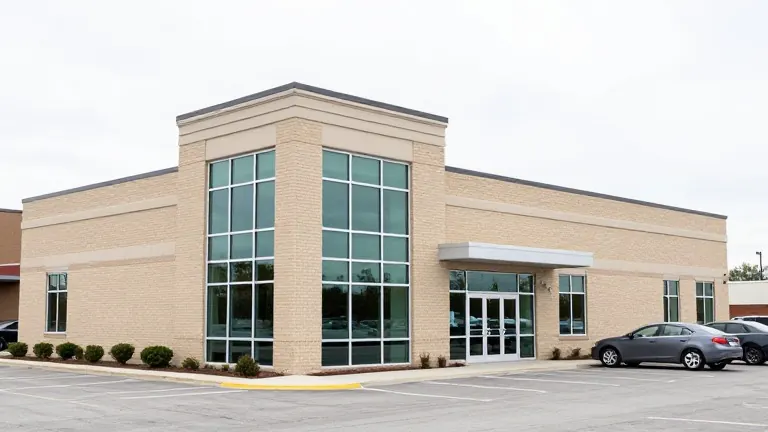
The council approved the acquisition of a former Michigan Legacy Credit Union building located on Gibraltar Road. The purchase price is approximately $1.275 million, with an additional $500,000 anticipated for retrofitting the space for municipal use. The new site is a three-minute drive from the current headquarters.
City Attorney Matthew Zick described the working conditions in the 50-year-old city hall as deteriorating due to decades of deferred maintenance. Employees currently deal with leaky ceilings, broken pipes, and a faulty HVAC system that causes temperature swings of 20 to 25 degrees throughout the day.
Zick noted that staff members keep both a fan and a heater at their desks. He stated that dressing in layers has become standard practice for everyone in the building. The city hall was designed by the same architects responsible for the former Pontiac Silverdome, a structure that has since been demolished.
A detailed breakdown of repair costs released by the city lists three aging HVAC units as the most expensive item. Two of the units are more than 30 years old, and the third is over 20 years old. Replacing these systems would cost between $2.5 million and $3.05 million.
Other major repair items include failing electrical conduit in the cement floor, estimated at $500,000 to $1 million, and the original elevator, which would cost $200,000 to $300,000 to replace. The city also cited issues with ADA accessibility, persistent odors, and areas that cannot be properly cleaned or maintained.
The move is expected to save the city approximately $120,000 annually in operating costs. These savings are projected to come from reduced maintenance, lower utility bills due to a more efficient building, and decreased spending on contracted heating and cooling services. The new building will not require an elevator, saving an additional $5,000 per year.
Funding for the purchase will come from the city’s Tax Increment Finance Authority, or TIFA. This mechanism captures increased property tax revenue within a designated district to fund projects. Zick confirmed that no tax increases or bond measures will be needed to cover the cost. The purchase is expected to be finalized by the end of the calendar year.
The city’s police and fire departments will remain in the current building while officials seek funding for a new public safety facility. City Administrator Brian Marciniak said the estimated $750,000 cost to demolish the old city hall will be incorporated into the budget for the new public safety building. That project could be funded through state grants, the general fund, or a municipal bond.