Antalya hosts a divided climate summit
Turkey and Australia co-host Cop31 amid diplomatic friction, with Brazil presenting new non-binding roadmaps and the US largely absent.
By Ricardo Brooks ·
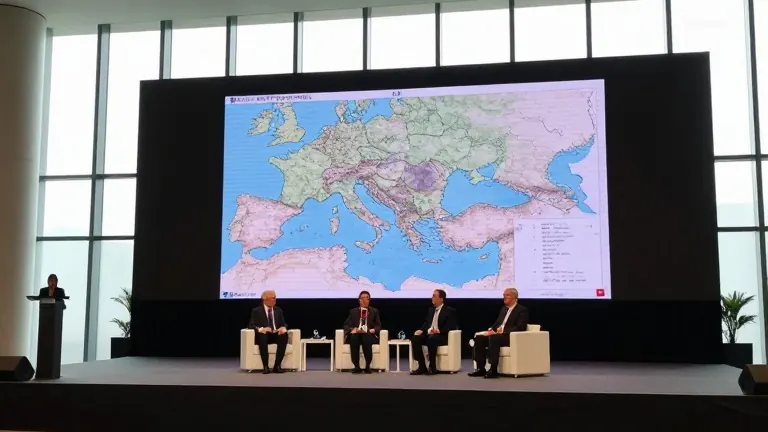
The 31st Conference of the Parties to the UN Framework Convention on Climate Change is set to open in Antalya, Turkey, under a dual-host arrangement that has already tested diplomatic patience. Australia, which pledged to host the summit while in opposition in 2021, controls the direction of the negotiations, while Turkey manages the voluntary action agenda. The division of labor emerged from a contentious bidding process with Turkey, a dispute that has left Australian media coverage quieter than in previous years and led to perceptions of a half-hearted hosting effort.
Australia’s Prime Minister Anthony Albanese will address the leaders’ segment but is not expected to remain for the duration. Daily oversight of the talks falls to Climate and Energy Minister Chris Bowen, a portfolio that places him in the position of promoting fossil fuels while advocating for a clean energy transition. The country presents a mixed record, remaining a major fossil fuel exporter while expanding solar capacity to the point where consumers occasionally receive free electricity.
Turkey’s President Recep Tayyip Erdoğan, who bid for the host role, has used the summit to advance environmental initiatives championed by his wife, Emine Erdoğan. She has called for an end to throwaway culture and a shift toward recycling, though Turkey still faces challenges with methane emissions from landfill sites. The summit follows recent conferences in Egypt, the United Arab Emirates, and Azerbaijan, a regional sequence that has strengthened the influence of the Arab group of countries in protecting fossil fuel interests.
Brazil’s President Lula da Silva will make his first international trip since winning a fourth term, bringing two non-binding roadmaps to the table. These documents outline steps for transitioning away from fossil fuels and halting deforestation but contain no firm deadlines or mandatory requirements. China’s President Xi Jinping will not attend, though his country’s energy transformation remains a defining factor in global emissions. China accounts for nearly a third of global annual carbon output but is also reshaping the energy market through renewable investments.
India withdrew its bid to host the 2028 summit in April, leaving its delegation led by Environment Minister Bhupender Yadav. The country balances a booming renewable sector, which now holds the world’s third-largest installed capacity, against a coal industry that still supplies roughly 70% of its electricity. The United States has no formal delegation at the summit, as President Donald Trump focuses on domestic midterm elections. His administration’s recent moves to dismantle the renewable sector and boost fossil fuels have set the US on a path to increasing emissions, though some Democratic leaders and business figures may attend.
The United Kingdom will be represented by Prime Minister Andy Burnham, who faces criticism for his inconsistent public stance on the climate crisis this summer. Foreign Secretary Ed Miliband is expected to accompany him, having played a key role in mediating the final deal at last year’s summit. The UK is set to take over the G20 presidency in December, with a planned focus on building resilience against climate impacts. Energy and Net Zero Secretary Miatta Fahnbulleh will lead the UK delegation during the final negotiation phases.
European Union Commission President Ursula von der Leyen is not confirmed for the summit, with Dutch climate commissioner Wopke Hoekstra overseeing the bloc’s final stages of talks. The EU faces internal pressure from far-right populists and has loosened several green regulations, including rules on deforestation and electric vehicle phase-ins. The United Nations Secretary General António Guterres will make his final appearance at a climate summit in Antalya, as the organization searches for a successor. Simon Stiell, the executive secretary of the UNFCCC, will manage the negotiations, coordinating between the two host nations and the various negotiating blocs.
Saudi Arabia has not confirmed who will lead its delegation but has a history of obstructing climate texts. At the previous summit, the Saudi delegation delayed the inclusion of the phrase transitioning away from fossil fuels until the final hours. The country is currently leading a group of nations, including China, India, and Russia, that seeks to delay the publication of the next comprehensive climate science report. This delay could push the report past the 2028 timeframe, potentially reducing the urgency surrounding the global stocktake on emissions progress.