French Austerity Protests Highlight Economic Tensions Ahead of Elections
Protesters in France challenge the government’s austerity measures, highlighting a growing disconnect between official economic data and the lived experiences of citizens facing rising costs and stagnant wages.
By Amit Ricci ·
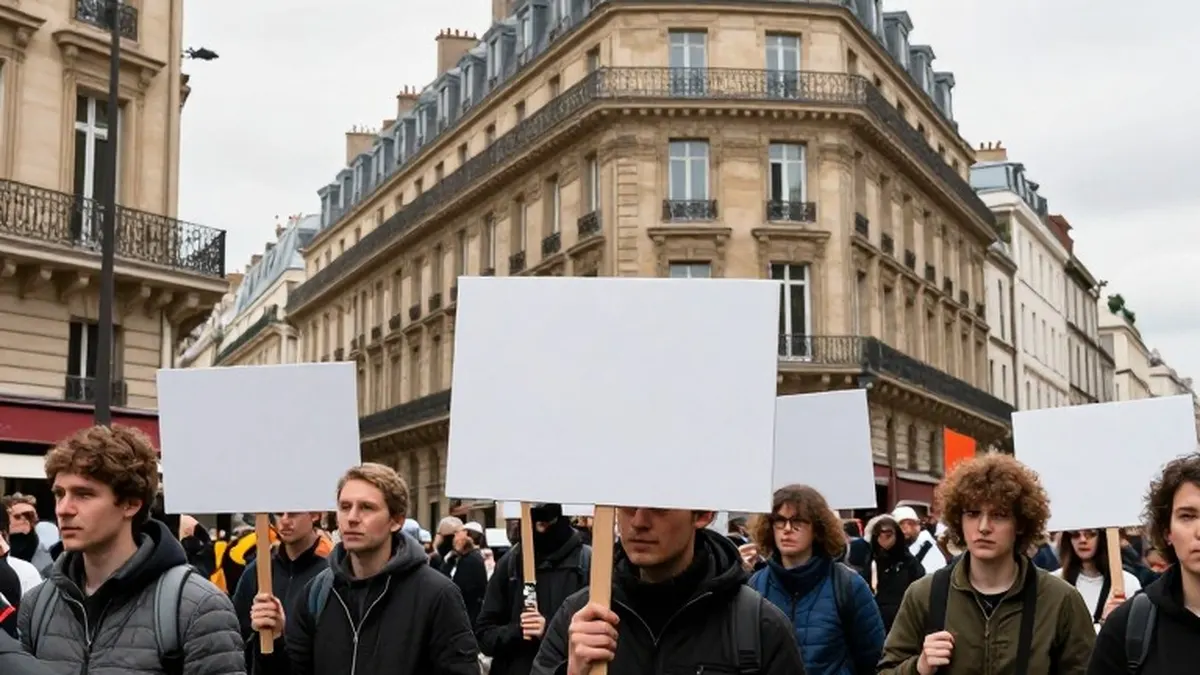
A significant wave of protest has erupted across France, with demonstrators expressing deep frustration over the government’s continued austerity measures. The unrest presents a striking contrast to the nation’s traditional image as a global leader in luxury goods and advanced infrastructure. Despite these reputations, the country is grappling with a severe affordability crisis that has prompted widespread public dissatisfaction.
On a statistical level, France maintains the position of the seventh largest economy in the world. This macroeconomic strength was recently showcased by the country’s top diplomat, who hosted a meeting of Group of Seven foreign ministers. The event took place in the prestigious Left Bank ministry, a setting that reflects the nation’s historical and political prestige.
However, the reality for many citizens is far less regal. Just a short distance from the diplomatic summit, the Prime Minister was engaged in intense negotiations with labor unions. The primary goal of these talks was to secure pay rises for workers, a move designed to calm the growing social unrest. Simultaneously, the government is striving to prevent the record budget deficit from expanding further, a delicate balancing act that has left many feeling squeezed.
The timing of these events is particularly sensitive, coming just six months before the presidential elections. During this campaign, anti-establishment candidates from both the far-right and far-left are promising to dismantle existing political and economic norms. This upcoming election cycle adds urgency to the current protests, as citizens look for leadership that better represents their daily struggles.
Observers are questioning the disconnect between the current lame duck government and the large number of people taking to the streets. Many protesters argue that they feel unheard and that conventional economic metrics no longer accurately reflect their reality. They point to slipping wages and deteriorating job prospects for young people as evidence that the current system is failing to deliver stability.
This situation mirrors trends seen in other parts of the world, including the recent United States midterm elections and emerging protest movements in other European countries. A common theme across these events is the widening credibility gap between the policies and messaging of decision-makers and the actual financial struggles of citizens trying to make ends meet.
The French protests serve as a reminder that economic stability is not just a matter of national GDP or international diplomatic standing. It is also a reflection of how effectively a government can address the immediate needs of its population. As the country moves toward its next presidential election, the ability to bridge this gap may determine the future political landscape.
The ongoing negotiations between the Prime Minister and unions will be closely watched as a potential turning point. Success could help stabilize the political environment, while failure may further embolden opposition candidates. For now, the streets of France remain a stage for a powerful message: the current economic model is under pressure, and the people are demanding change.