Shared leadership and fossil fuel divisions shape Cop31 talks in Antalya
Australia will direct negotiations in Turkey as governments confront competing energy interests, an expected US absence and proposals on fossil fuels and deforestation.
By Olga Menon ·
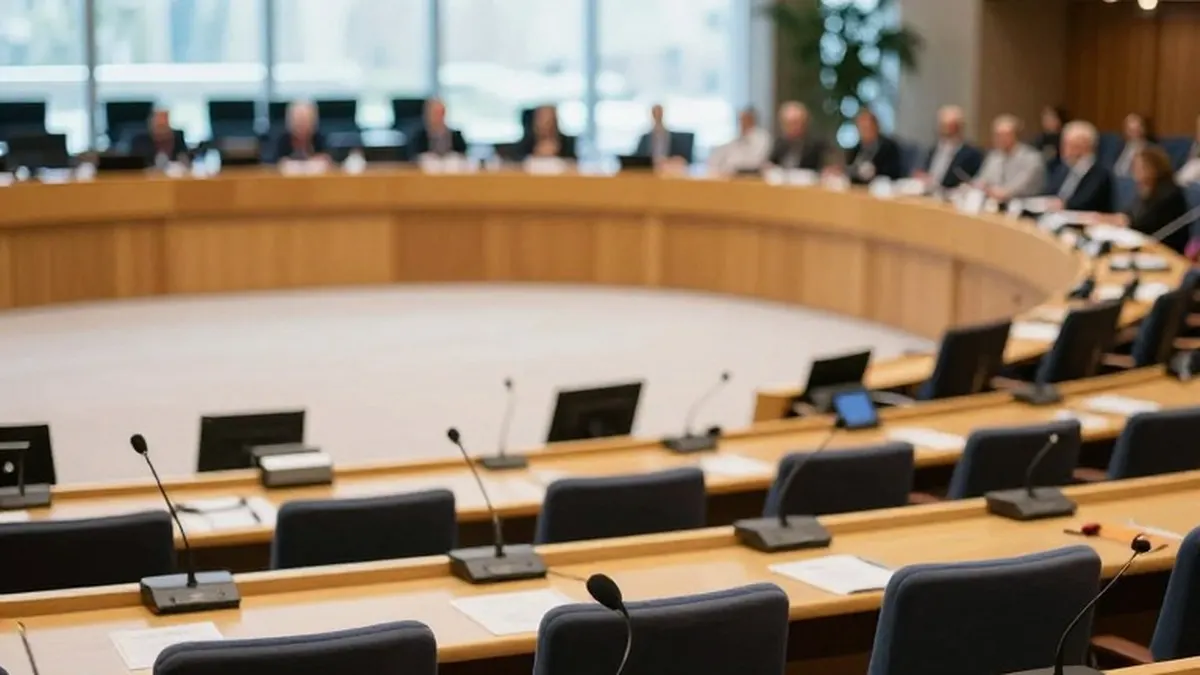
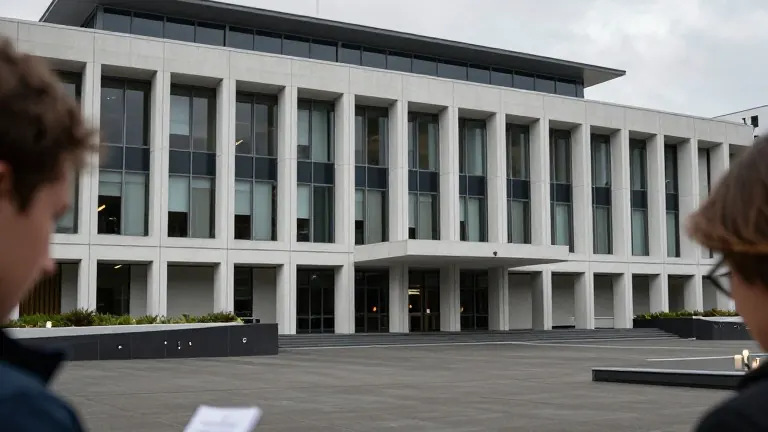
The Cop31 climate summit in Antalya will operate under a divided hosting arrangement, with Australia directing negotiations and Turkey overseeing a programme of voluntary initiatives. The compromise followed a dispute between the two countries over hosting rights, leaving negotiators to navigate both the shared leadership structure and persistent disagreements over fossil fuels.
Australian prime minister Anthony Albanese, who pledged to host the summit while in opposition in 2021, is expected to address the leaders’ session but is unlikely to remain for long. Climate and energy minister Chris Bowen will manage negotiations day to day. Australia arrives with contrasting energy interests: it remains a major fossil fuel exporter while investing heavily in renewables, with solar generation sometimes allowing consumers to receive free electricity.
Turkey’s environment minister, Murat Kurum, will oversee the action agenda. President Recep Tayyip Erdoğan has used that programme to advance waste reduction and the circular economy, causes promoted by his wife, Emine Erdoğan. Electrification is another emphasis, with International Energy Agency chief Fatih Birol understood to be advising on replacing fossil fuels with electricity in transport, heating and industry.
Brazilian president Lula da Silva will make his first overseas visit since winning a fourth term. He will bring two roadmaps, covering the transition away from fossil fuels and efforts to halt and reverse deforestation. Neither includes binding obligations, deadlines or firm government requirements, but both outline steps countries can take.
Chinese president Xi Jinping will not attend, although his country’s energy choices remain central to the talks. China produces nearly a third of annual global carbon emissions and has also invested in renewables that are transforming the energy industry. India, meanwhile, withdrew its bid to host Cop33 in 2028 without explaining why. Its renewable energy capacity ranks third worldwide, but coal still generates about 70% of its electricity.
No US delegation is expected. Donald Trump’s forthcoming withdrawal of the country from the UN framework convention on climate change will prevent future participation. His administration has promoted fossil fuels and begun dismantling the renewable energy sector. Some Democratic politicians and business leaders may nevertheless travel to Antalya, following a summer marked by drought and fires.
British prime minister Andy Burnham will attend his first Cop after reaffirming the UK’s 2050 net zero target while also backing the Jackdaw gasfield. Foreign secretary Ed Miliband is expected to accompany him, with energy and net zero secretary Miatta Fahnbulleh leading the delegation during the closing negotiations. The UK assumes the G20 presidency in December, and the Guardian understands that resilience to climate impacts will be a central priority.
The European Union enters the summit after weakening or postponing several environmental measures amid rising far-right opposition. European Commission president Ursula von der Leyen’s attendance remains unconfirmed. Climate commissioner Wopke Hoekstra will oversee the EU’s final negotiations and is likely to emphasise competition with China.
For UN secretary general António Guterres, Cop31 will be his last UN climate summit in the role. UN climate chief Simon Stiell will oversee proceedings while coordinating between the two hosts. Saudi Arabia, whose delegation leader was not confirmed to the Guardian, remains a significant opponent of stronger fossil fuel language. It has also led efforts to delay the next major climate science assessment beyond its expected 2028 publication, when countries are due to review progress towards their Paris agreement emissions goals.