Young Americans Face Economic Squeeze Without European Street Protests
While student riots erupt across Europe, U.S. youth remain divided by partisan lines and a persistent belief in individual merit despite rising housing costs and debt.
By Olga Menon ·
Student demonstrations have erupted across France, Italy, Spain, Portugal, Belgium, Greece, Ireland, and Germany, driven by grievances over housing, education, and the cost of living. In Serbia, a student movement that mobilized for nearly two years against corruption secured a parliamentary majority in October 2026, ending the political dominance of Aleksandar Vučić. These protests reflect a shared conviction among young Europeans that the promised future of stability and financial independence is slipping away.
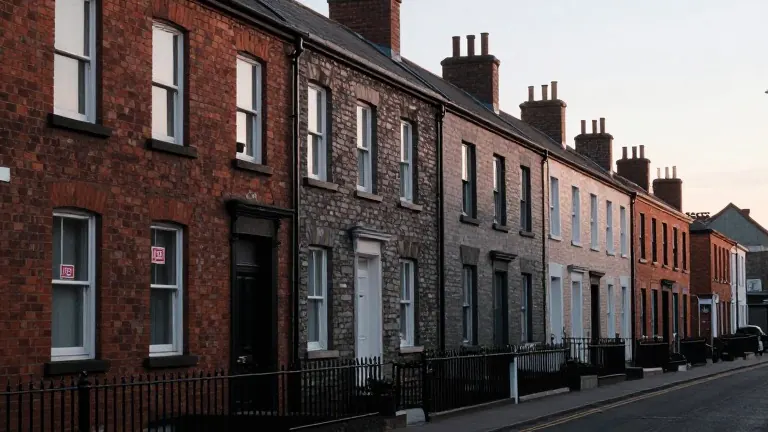
American young adults face similar structural pressures. A Harvard poll from 2026 found that 45% of young Americans are struggling to make ends meet or lack financial security. Housing prices have moved beyond the reach of many first-time buyers, and rents consume a larger share of incomes. A Pew Research Center survey indicated that 87% of Americans believe buying a home is harder for today's young adults than it was for their parents' generation. College graduates often carry substantial debt, while a degree no longer guarantees a stable or well-paid job.
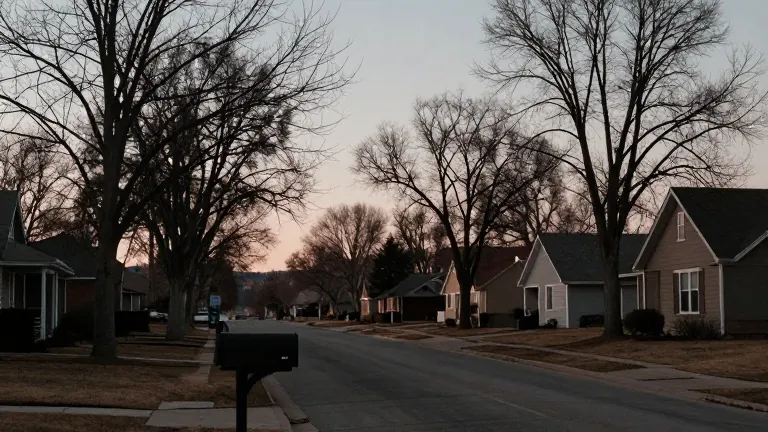
Despite these conditions, the United States has not seen a unified nationwide youth revolt comparable to those in Europe. One factor is political polarization. In Europe, economic grievances often unite young people across political lines. In America, almost every social and economic problem becomes part of a partisan conflict. A young person struggling with rent in New York may have little political common ground with a peer facing the same issue in rural Texas, even if their economic frustrations are similar.
Cultural attitudes also play a role. American society traditionally views success and failure as personal outcomes rather than systemic issues. This emphasis on individual achievement can obscure collective problems. If housing is unaffordable, the cultural expectation is to find a better job or move, rather than challenge public policy. This belief in the American dream remains strong, even as it faces growing contradictions.
American students have been active in other areas. Between 2017 and 2024, there were more than 13,000 campus protest events. These movements focused on distinct causes such as climate change, racial justice, gun violence, student debt, and the war in Gaza. They have not converged into a broad movement demanding a fundamental reassessment of economic and political arrangements.
Young Americans may be expressing discontent through political disengagement and distrust of institutions rather than mass demonstrations. They continue to invest in education, careers, and entrepreneurship, maintaining hope for individual success. The absence of street protests does not equate to an absence of anger, but it suggests a different mode of expression. The underlying question for both continents is how long democratic societies can maintain legitimacy when a growing share of the younger generation believes the future will be less secure than the past.
Source: Columbus Free Press