Voters decide Congress control in tight midterm race
Polls point to a potential Democratic House takeover, while the Senate outcome hinges on specific contests in Maine and Michigan.
By Olga Menon ·
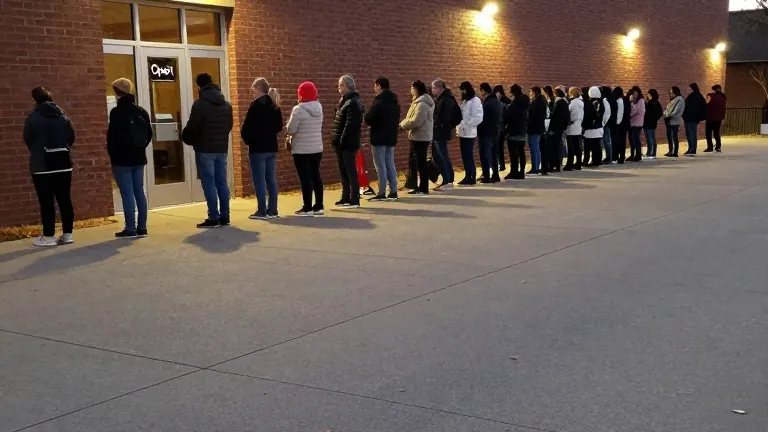
Americans cast ballots Tuesday in U.S. midterm elections that determine control of Congress.
The results will define the balance of power in Washington for the next two years. This vote acts as a direct assessment of President Donald Trump’s second term.
Republicans face a defensive posture after Trump’s approval ratings fell. Polls cite rising gas prices, persistent inflation, and the ongoing conflict with Iran as primary drivers of voter dissatisfaction.
Democrats seek a net gain of three seats in the House to secure a narrow majority. Current data suggests they are close to achieving this target.
The Senate race remains uncertain. Democrats require a net gain of four seats to take control. The outcome depends heavily on contested races in traditionally Republican states.
The Michigan Senate race has become a pivotal focus. Abdul El-Sayed’s former primary opponent, Haley Stevens, endorsed Republican nominee Mike Rogers on Sunday. This move created a split in the Democratic base just before the vote.
Trade policy with Canada influences the vote in border states. Trump adjusted 50 percent tariffs on certain Canadian goods to protect industries in Maine. That state holds a critical Senate seat currently occupied by Republican Susan Collins.
Trump told reporters that his administration has a concept for a good deal with Canada following weekend talks with Prime Minister Mark Carney. He defended his economic record as the best ever at a press conference on Monday.
Affordability remains the top concern for many voters. Steven Sherman, a 27-year-old diabetic from Michigan, cited insulin costs and health care access as his main priorities. He noted that material prices for his construction logistics work skyrocketed after tariffs began.
Some early Trump supporters feel the administration’s promises have failed. Dylan Raford, a 19-year-old data center worker in South Carolina, voted for Trump in 2024 despite being too young to cast a ballot. He now plans to vote Democrat to limit presidential power.
Raford described his experience as a Black man supporting Trump as one that drew significant backlash. He believes the president is enriching himself and failing to uphold the office. He stated that the president made him and other supporters look wrong for their initial optimism.
The South Carolina Senate race for Lindsey Graham’s former seat has emerged as an unexpected battleground. Voters have criticized Republican candidate Darline Graham Nordone, who is running for her late brother’s position, for a lack of experience and campaign errors. Trump’s endorsement of her has not silenced these critiques among some independent voters.