US Bombs Qeshm Island Before Midterms
American forces hit Iranian coastal targets on November 2 while the White House suggests diplomacy may replace further large-scale combat.
By Ricardo Brooks ·
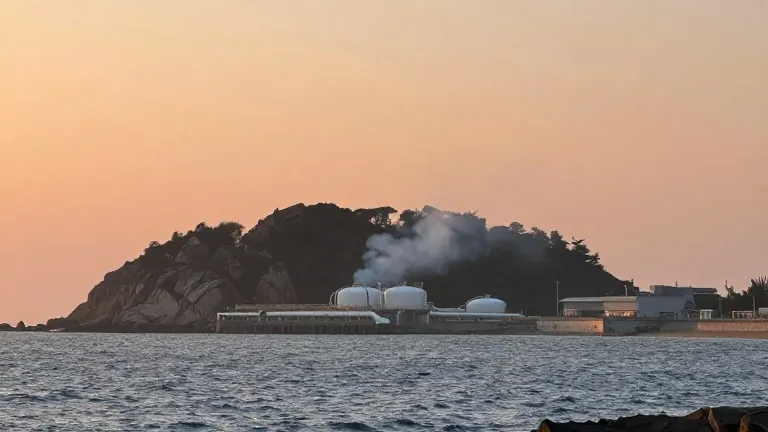
American forces struck Iran’s Qeshm Island on November 2.
The attack occurred hours before the United States midterm elections. US officials confirmed the operation on November 3. They described it as one of several limited attacks in recent weeks. These operations were not publicly disclosed.
President Donald Trump shifted his tone on November 2. He rejected the idea of an immediate major campaign against Tehran. When asked about post-election strikes, he answered, “No.” He suggested diplomacy could yield results. This stance contrasts with warnings from weeks prior about a potential large-scale offensive.
The Wall Street Journal reported that administration officials kept the strikes quiet. They wanted to avoid signaling a restart of major combat. Some US officials described the actions as defensive measures. The goal was to reduce Iran’s ability to threaten commercial vessels in the Strait of Hormuz. Iran’s state news agency IRNA reported explosions on the island on November 2.
Qeshm Island sits at the entrance to the Strait of Hormuz. It overlooks a key route for international energy shipments. The island houses an underground missile installation, a naval base, and a desalination facility. American forces have attacked the site during previous fighting. US officials have previously discussed taking control of the location.
Jason Brodsky, policy director at United Against Nuclear Iran, told RFE/RL that the strikes aimed to weaken Iran’s shipping interference capacity. He noted the attacks did not necessarily change Iran’s political decisions. Recent US operations also targeted missile-launch locations. A dhow was hit several days ago. A commercial ship that tried to breach the American blockade was targeted weeks earlier.
Diplomatic channels remained open during the military activity. Vice President JD Vance reported progress in talks on dismantling Iran’s nuclear program. Trump linked declining oil prices to expectations that war would not resume. Iranian Foreign Ministry spokesman Esmail Baghaei said on November 2 that the next move rested with Washington. He described Tehran’s demands as clear and reasonable.
Supreme Leader Mojtaba Khamenei and other Iranian leaders warned of retaliation if Washington restarts the conflict. Senior US administration officials considered additional air strikes, stronger sanctions, and an expanded trade blockade. Admiral Brad Cooper, chief of US Central Command, briefed Trump at the White House last week. Additional missile defenses and munitions have reached the region in recent weeks. US officials advised Gulf countries to prepare for a brief, intense campaign after the elections. Brett Erickson of Obsidian Risk Advisors said the strikes carried escalation risks but followed the pattern of recent limited engagements. He noted Iran’s restrained responses gave him little reason to expect a change in Tehran’s calculations. Gregory Brew of Eurasia Group said the attacks indicated Washington was challenging Iranian control around the strait. He observed that US reluctance to publicize the operations suggested caution, while Iran’s willingness to absorb them without retaliating indicated both countries were weighing the risks.
Source: RFE/RL