Government reverses sale plans for four historic Australian defence sites
Victoria Barracks in Sydney and Melbourne and two other Victorian defence properties will stay publicly owned, but military personnel will still leave the sites.
By Olga Menon ·
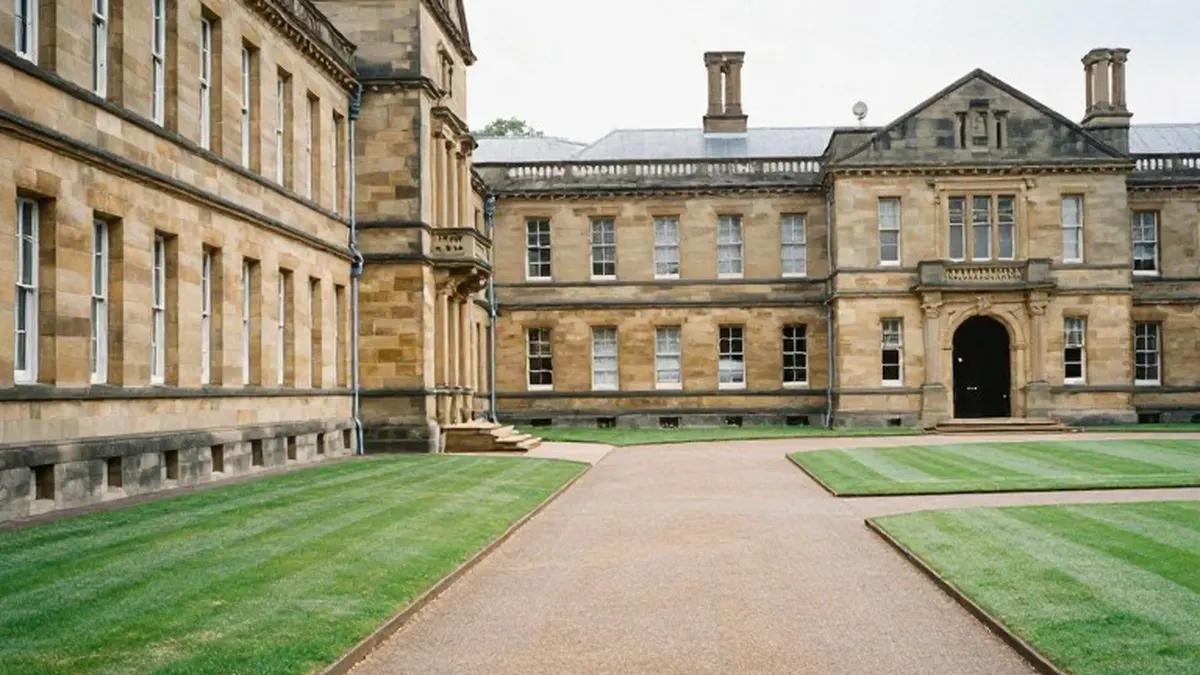
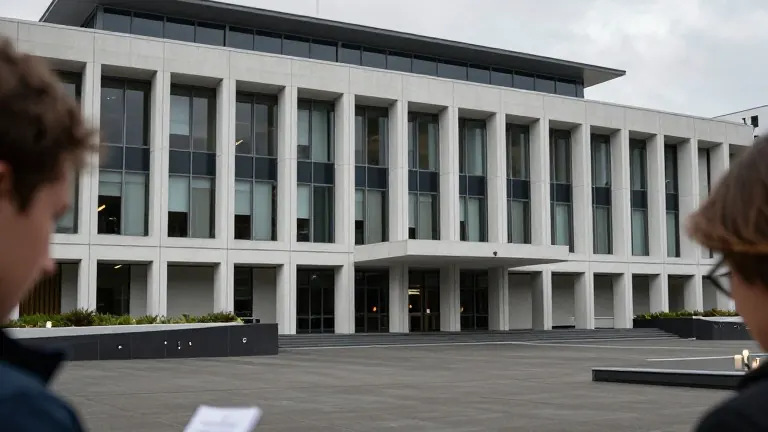
Four heritage-listed defence properties will remain in public ownership after the Albanese government reversed part of its planned asset selloff following opposition from veterans, campaigners and prominent politicians. The decision, announced on Sunday, November 8, covers Victoria Barracks in Sydney and Melbourne, Fort Queenscliff and RAAF Base Point Cook in Victoria.
Defence personnel will still leave the properties, with their historic features to be preserved for community use. The government plans to work with the Australian War Memorial to turn the vacated sites into public spaces exploring Australia’s military history. The announcement follows resistance from Save Victoria Barracks Sydney and figures including former prime ministers John Howard and Paul Keating.
Prime minister Anthony Albanese described Sydney’s Victoria Barracks as holding a “special place in our nation’s history”. Defence minister Richard Marles said spending needed to prioritise military capability in the current strategic environment. He said relocating personnel and opening the properties to visitors would help safeguard their history and make it accessible to Australians. Built between 1840 and 1848 for the British army, the Sydney barracks also contains the city’s oldest wine cellar.
The four properties were among 67 sites earmarked for disposal after an independent audit identified defence holdings that were underused, unsuitable for their purpose and expensive to maintain. The planned sales were intended to recover $3bn for the federal budget. Completed in 2023 after several years of work, the audit warned that legacy properties without a clear connection to present or future military needs were diverting resources from more pressing priorities.
Shadow defence minister James Paterson welcomed the heritage protection but questioned what military presence and capability should remain in Sydney and Melbourne. He said the Coalition would keep opposing the disposal of other sites, including HMAS Penguin, Lancer Barracks and Irwin Barracks. NSW opposition leader Kellie Sloane also welcomed protection of the Sydney barracks, arguing that military heritage and defence capability should take precedence over immediate financial returns.
Returned & Services League of Australia president Peter Tinley called the announcement a “partial victory”. He said the Sydney barracks remained important as the headquarters of forces command and a training location for reservists and cadets. Tinley argued that its continuing military role mattered alongside its history, and said moving personnel before Christmas without suitable alternative accommodation would damage morale.
The Sydney and Melbourne barracks had been expected to generate $1.3bn from sales because of their valuable locations. Across 26 major metropolitan properties, projected proceeds had reached up to $2.4bn, alongside anticipated savings of about $3bn in maintenance and security over a decade. Those properties include locations in Sydney’s Randwick, Melbourne’s Sandringham and St Kilda, Brisbane’s Petrie Terrace and Fremantle in Western Australia.
The wider disposal programme is also intended to release land for housing, with a long-term ambition of 6,000 new dwellings. Defence expects personnel to have left six sites by the end of the year.
The reversal precedes Monday’s meeting of cabinet’s expenditure review committee, which sets budget decisions. It also follows an increase in the official interest rate this week to 4.85%, an 18-year high, as authorities seek to curb persistent inflation. Treasurer Jim Chalmers attributed inflation primarily to higher fuel prices linked to the Middle East conflict rather than government budget policy.