New Zealand election leaves weeks of uncertainty
Neither major party secured a clear mandate, triggering a three-week count of special votes and delaying government negotiations until November 27.
By Ricardo Brooks ·
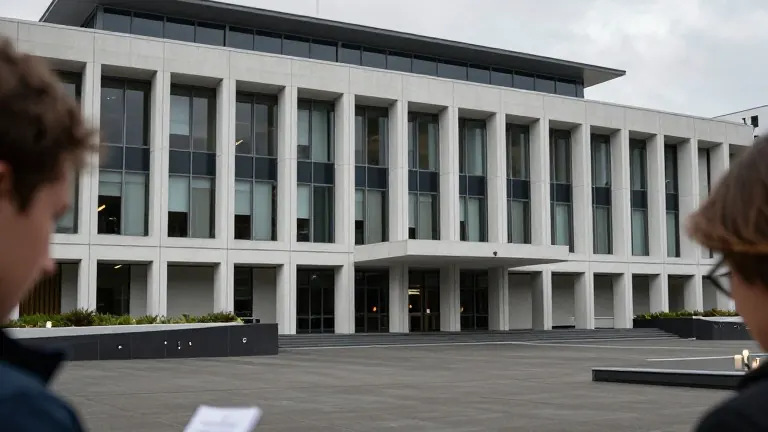
New Zealanders will wait until late November to determine who will lead the country after Saturday's general election failed to produce a decisive winner for either the right or the left.
The result forces political parties into protracted negotiations for a governing majority with only a razor-thin margin of safety. With 2.8 million ballots counted on election night, the incumbent center-right National Party, led by Prime Minister Christopher Luxon, appeared to hold a one-seat lead in the conservative bloc.
Luxon did not claim immediate victory, instead expressing cautious optimism about negotiating a second term. He attributed public dissatisfaction to global shocks affecting the trade-based economy and noted that other incumbent governments worldwide have faced similar voter backlash over living costs.
His main opponent, Chris Hipkins, who leads the center-left Labour Party, did not appear to gain from the vote. The left-wing bloc fell short of a majority on preliminary counts, though it remained hopeful of triumphing. This outcome suggests a potential second election defeat for Hipkins, who was removed from office in 2023 partly due to discontent over similar economic issues.
The uncertainty stems from the counting of nearly 400,000 special votes, including those cast by New Zealanders living abroad. Electoral officials began this process on Sunday, a procedure expected to take three weeks. Historically, these ballots have granted additional seats to left-wing parties, which could shift the current slim right-wing majority.
A new political entrant, the unaligned Opportunity party led by 38-year-old business consultant Qiulae Wong, emerged as a decisive factor. Wong's group won seven seats, enough to block a simple path to power for both major blocs. This result marked a significant rise for a party that had failed to enter Parliament in three previous attempts before Wong became leader less than a year ago.
Wong pledged evidence-based centrism and stated she could work with either side to form a government. Meanwhile, the conservative bloc benefited from strong performance by its traditional partners. The libertarian ACT party won 13 seats, and the populist New Zealand First secured 12. Both parties are led by veteran politicians who have been critics of Luxon's political experience.
The vote served as a rebuke to the two major parties that have long dominated New Zealand politics. National Party secured 42 seats, winning all of them through local constituency races, while capturing 29.21% of the preferred party vote. Labour secured 36 seats with 29.36% of the party vote, a lower total than National due to fewer local race wins.
Minor parties on the left also gained ground. The environment-focused Greens won 16 seats, and the Indigenous rights group Te Pāti Māori secured five. The total number of lawmakers elected is currently 131, requiring 66 seats for a majority. The conservative bloc currently holds 67 seats, while the left bloc holds 57 before the final special votes are tallied.
Several senior National Party lawmakers, including the ministers of finance and defense, the speaker of parliament, and the attorney general, will exit politics based on current results. Luxon, who will lead a caretaker government, urged citizens to take a break from politics for the next three weeks. He avoided answering questions on Sunday about whether his slim lead had changed his previous refusal to negotiate with Wong.