23 Million Rials: The New Price of a Single Meal in Tehran
Soaring food costs are forcing households to abandon savings and reduce protein intake, with inflation now eroding nearly 90% of annual purchasing power.
By Valentina Cruz ·
For many families in Iran, the traditional meal has become a luxury they can no longer afford. A newly married woman in Tehran explained that the funds her family had saved for their wedding celebration were instead used to secure a housing deposit. She and her husband now work double shifts to repay loans, leaving them with little time for anything else. Her home, she noted, has become merely a place to sleep, and each morning brings the knowledge that they are poorer than the day before. This personal struggle mirrors a broader economic shift where ordinary citizens are cutting back on meat, dining out, and savings to survive.
The deterioration of living standards is driven by years of international sanctions, persistent inflation, and the continuous decline of the rial. Recent conflicts have worsened the situation. A war launched by the United States and Israel on February 28 damaged critical infrastructure, while a US naval blockade of Iranian ports has significantly reduced oil exports and the import of goods. Iranian efforts to control the Strait of Hormuz have further disrupted shipping. In August, the US Treasury introduced a new sanctions campaign dubbed "Economic D-Day" to further isolate the country financially.
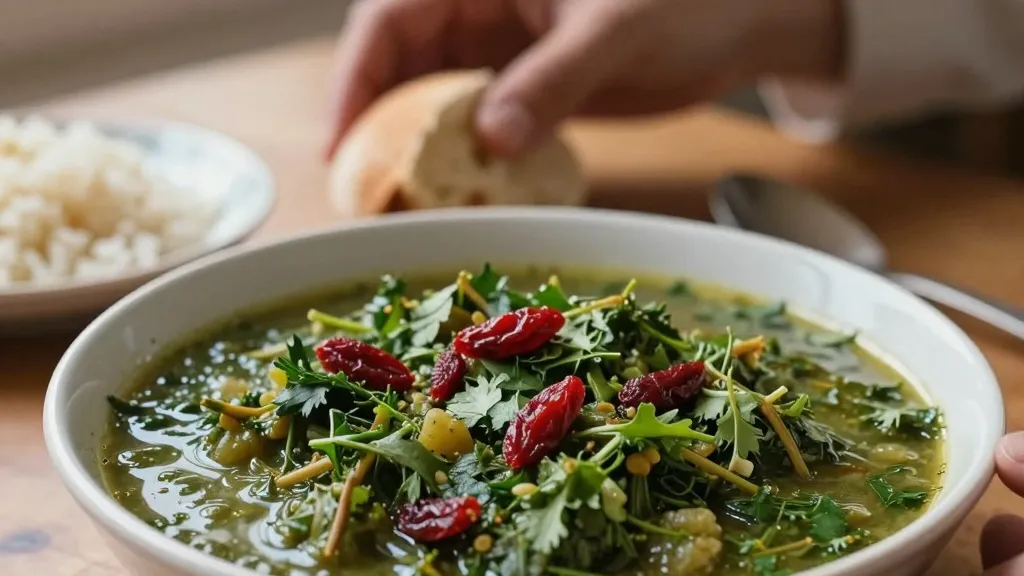
A field survey by Radio Farda in central Tehran reveals how these macroeconomic pressures are changing daily habits. Middle-class activities are disappearing as families prioritize basic necessities. The cost of cooking at home has nearly doubled in one year. For example, a meal of ghormeh sabzi, a traditional herb stew, now costs 23 million rials, or about 8.45 dollars, when served with rice. Potato patties cost around 4 million rials. Many households are saving their meat and chicken for children who are still growing, while adults rely on legumes and meat substitutes to stretch their budgets.
The gap between income and essential costs is widening rapidly. A fact-checking outlet based in Canada estimated that a basket of 11 essential food items costs 56 million rials per person in September. For a family of three, this totals over 168 million rials. The government’s food voucher, valued at 10 million rials, now covers less than 18 percent of this per-person cost, a sharp drop from 30 percent in December 2025. With annual inflation reaching 89.9 percent and average monthly wages hovering around 100 dollars, the financial strain is intense.
Central bank Governor Abdolnaser Hemmati acknowledged the heavy burden on citizens on October 23, though he argued that efforts to isolate the economy had failed to meet their main objective. Even those with higher incomes feel the pinch. A middle-aged man in western Tehran earns a billion rials monthly, well above the average household income in Tehran. Despite this, he says he can live for today but has no savings for tomorrow. Travel and dining out have vanished from his routine.
The impact extends to retirees and younger professionals alike. A retired woman on a monthly pension of 180 million rials has reduced her protein intake since March, worrying about her health. Meanwhile, a 28-year-old professional earning 400 million rials has changed her social habits. She and her friends now split a single dish between two people to make cafe visits affordable. For many, sharing is the only way to maintain a semblance of normal social life.
These adjustments highlight a deepening crisis that affects all income levels. From the newlywed couple working double shifts to the retiree cutting back on meat, the rising cost of living is reshaping Iranian society. The combination of war, sanctions, and inflation has created a landscape where basic needs consume the majority of household resources, leaving little room for future planning or leisure.
Source: RFE/RL