Army detons lead azide stockpile in Iowa amid public health concerns
The US Army blew up five tons of unstable lead-based explosives in Iowa on Wednesday, a move approved by a federal court after three postponements due to community fears over environmental contamination.
By Olga Menon ·
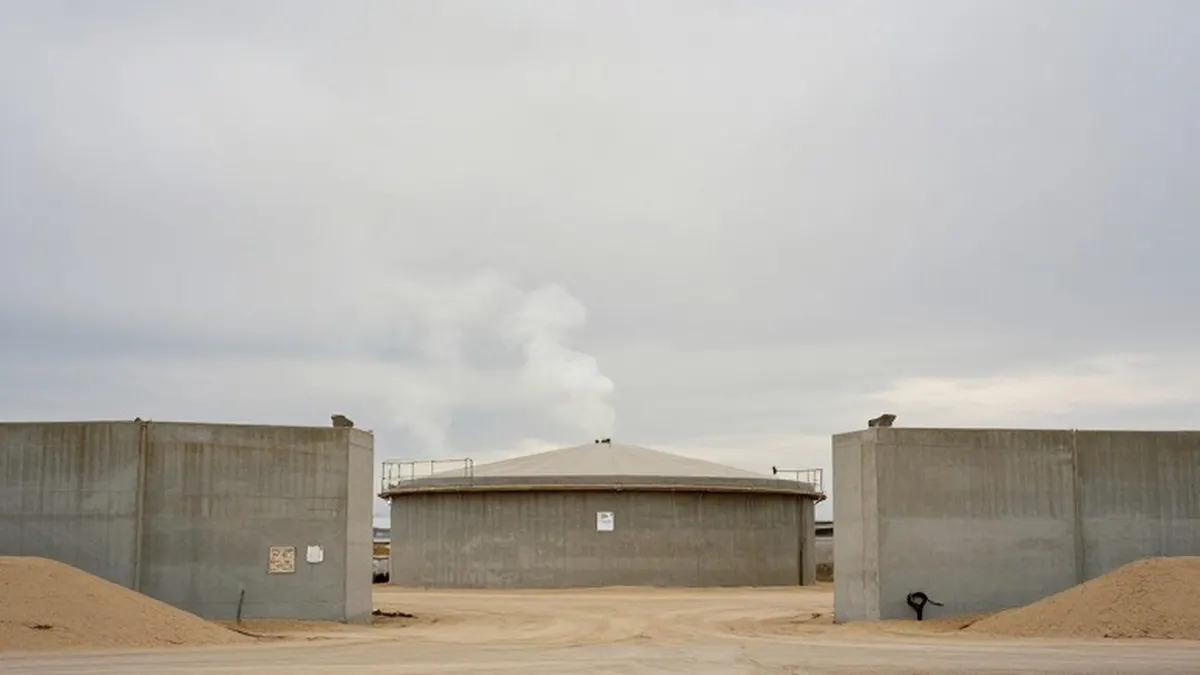
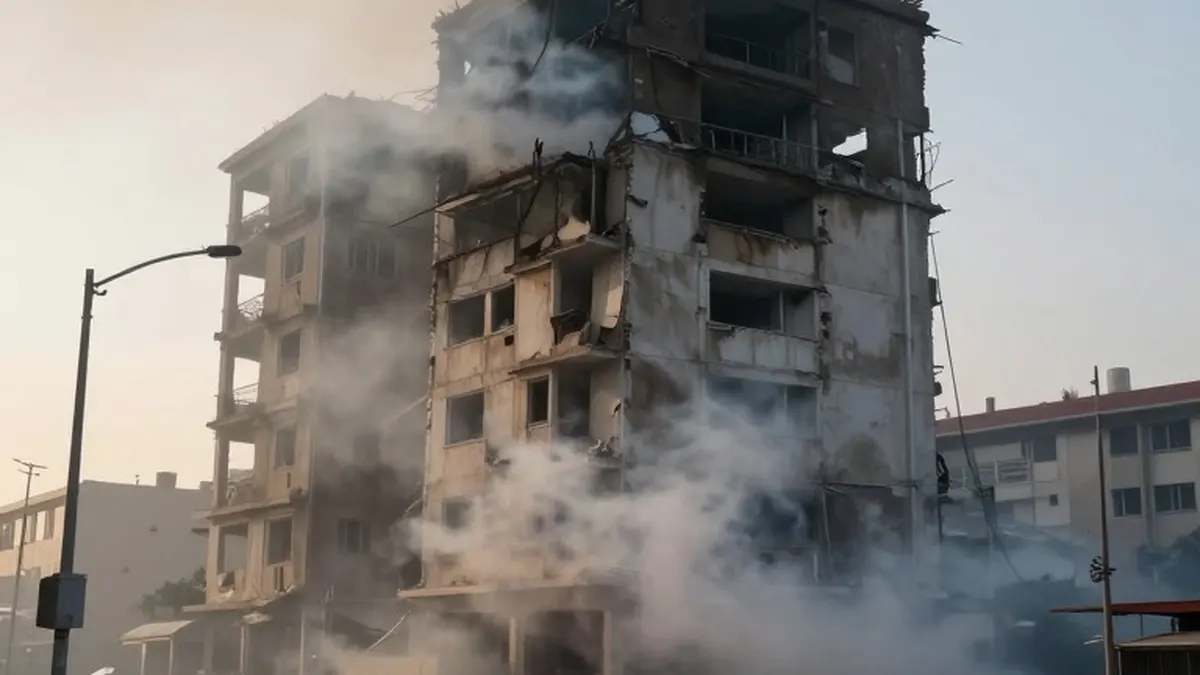
The US Army executed a controlled detonation of the nation's entire stockpile of lead azide at the Iowa Army Ammunition Plant in Middletown on Wednesday. The operation involved five tons of degraded bomb-making materials that officials deemed at risk of exploding uncontrollably as temperatures dropped. This action took place despite significant backlash from the local community, which had raised concerns about potential environmental contamination and health impacts.
The detonation schedule was altered three times before officials gave the final green light. According to court documents, the changes were made to allow additional time for safety preparations and to ensure favorable wind conditions. A federal appeals court issued a ruling earlier this week, determining that the US Environmental Protection Agency had adequately incorporated safeguards to minimize the dispersal of lead dust. This legal decision allowed the project to proceed after a lawsuit by environmental groups had initially sought to halt the plan.
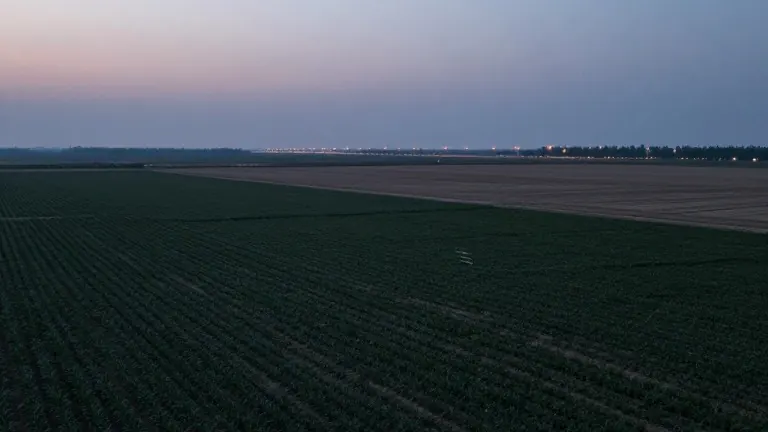
Video footage captured from several miles away showed two white plumes rising over the detonation site before quickly dissipating. Journalists reported hearing a loud boom around 9:00 a.m. local time. Although residents were warned to stay indoors, some pulled their vehicles to the side of the road to watch the blast from upwind of the plant. The weather forecast for the day called for a gentle breeze toward the southwest and temperatures near the freezing point, conditions that were selected to help manage the spread of dust.
Local preparations for the event were extensive. Schools that had not already closed for the Thanksgiving holiday cancelled classes, and a nearby gas station posted a note on its door indicating it would reopen once the area was declared safe. Many residents took precautionary measures, such as sealing their windows and doors, to protect their homes from potential dust infiltration.
Officials encouraged residents within a five-mile radius of the site to evacuate to avoid inhaling lead dust. They assured the public that barriers surrounding the blast zone would limit the plume's reach. The wind was expected to carry any remaining particles southwest toward Missouri, away from Burlington, a city of just under 25,000 people located along the Mississippi River. However, hundreds of homes and farms remained potentially in the path of the toxic cloud, with lead posing particular risks to children and pregnant women.
Maj. Gen. Eric Shirley, the Army leader overseeing the operation, stated that inaction was no longer an option. Acting Secretary of the Army Adam Telle urged the public not to panic. To contain the blast, the Army installed additional barriers around the bunkers holding the 68 barrels of lead azide. These materials were surrounded by concrete and sand barriers two stories high, along with ballistic gels and foams designed to absorb dust. The Army also planned to use more than 100,000 gallons of water to dampen the plume.
The stockpile of lead azide had been transported to the Iowa location from various military bases across the country in 2009. Robert Cekada, director of the Bureau of Alcohol, Tobacco, Firearms and Explosives, explained that the chemicals were stored in barrels for potential future use in munitions production. During an inspection in March, staff discovered that the lead azide had partially crystallized. This change made the material sensitive to friction and cold, creating a risk of spontaneous detonation.
Army experts concluded that alternative solutions, such as thermal treatment or neutralizing the contents of the drums, were less safe than a controlled detonation. Residents expressed a mix of resignation and concern, with some acknowledging that the issue needed to be addressed immediately despite the proximity to the Thanksgiving holiday. Lucy Giehl, a resident of West Burlington, noted that the danger of lead would persist and suggested that the issue could have been addressed earlier.
The event highlights the ongoing challenges of managing hazardous military materials in close proximity to civilian populations. While the immediate blast has occurred, the focus now shifts to monitoring the environmental impact and ensuring the long-term safety of the surrounding area.