Michigan needs more physical therapists
Wayne State University graduates roughly 38 clinicians annually, with over 90% staying in the state to address a projected 410 annual job openings through 2034.
By Amit Ricci ·
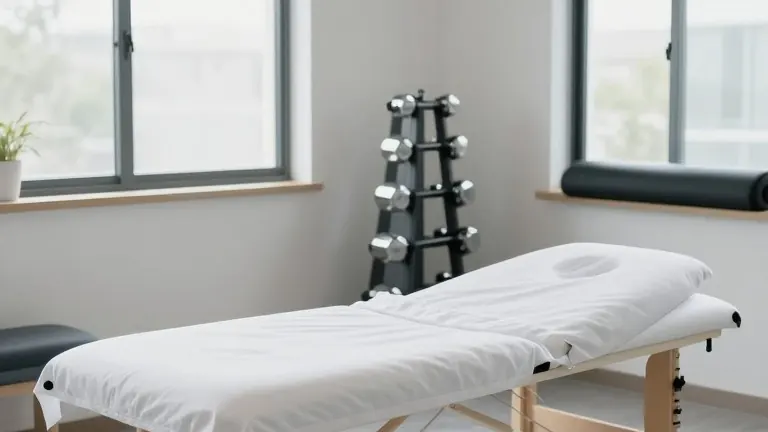
Michigan faces a widening gap between its aging population and the number of available physical therapists. The state’s 2026 Hot 50 Job Outlook projects 410 annual openings in the profession through 2034. Employment is expected to grow by 11.6% over that period. Hourly wages for the role range from $41 to $52, and the position requires a doctoral degree and state licensure.
Wayne State University in Detroit plans to close that gap. The institution’s physical therapy program, housed in the Eugene Applebaum College of Pharmacy and Health Sciences, produces approximately 38 graduates each year. Tina Reid, the program chair and department head for Health Care Sciences, reported that every graduate secures employment. More than 90% of those new practitioners remain in Michigan.
The program maintains a five-year average first-time pass rate of 96% on the national licensing examination. Last year, that figure rose to 97%. Reid noted that most students have job offers before they finish their coursework. She said the curriculum is designed to create therapists who can function effectively in any clinical setting.
Students gain practical experience through a series of rotations. Every student completes four full-time clinical placements totaling 36 weeks. These placements require a workload of approximately 40 hours per week. The rotations take place in inpatient hospitals, rehabilitation centers, and outpatient clinics. This exceeds the 30 weeks mandated for accreditation. Reid stated the extra time provides necessary hands-on training in acute care, an area where many universities struggle to secure sites.
A central component of the education is the SAY Detroit Physical Therapy Pro Bono Clinic. Located within the Applebaum College building, the clinic operates four hours a week. It serves uninsured and underinsured residents who receive referrals from the SAY Detroit Family Health Clinic and other local pro bono medical providers. Faculty members including Kristen Decker, an assistant professor and clinical education coordinator, and Evan Waszkiewicz, a faculty supervisor, oversee student work. Decker and Waszkiewicz guide students in treating patients from diverse backgrounds and with varied diagnoses.
Third-year student Sydney Bitar, a native of Taylor, Michigan, works in the clinic. Bitar originally intended to pursue chiropractic care but switched to physical therapy during her final year of undergraduate study. She cited her background in volleyball at Taylor High School and her interest in exercise as factors in the decision. Bitar said the clinic teaches students how to apply classroom techniques to real patients. She emphasized that the presence of practitioners familiar with the Wayne State curriculum helps students bridge the gap between theory and practice.
The program also offers an accelerated academic pathway. Students can complete 90 credits and apply to the doctor of physical therapy program in their third year without earning a separate bachelor’s degree. This structure is part of the university’s applied health science track. The three-and-a-half-year professional program carries a cost of approximately $100,000.
To offset that expense, Wayne State provides Graduate Professional Scholarships that cover 10 credits per semester for one year. Some clinical partners also offer additional financial support through the DPT Program. These partnerships with metro Detroit hospital systems and outpatient clinics serve a dual purpose. They provide student placements and create direct pipelines to potential employers. The collaborations also help the program adapt to shifting workforce needs in the region.
Reid stated that the program prioritizes clinical training in acute care settings. This includes experience with patients recovering from surgery, cardiac events, and strokes. Students also work in intensive care units and inpatient rehabilitation facilities. She said the university does not want to limit student training. The goal is to provide the strength and flexibility needed for graduates to work in specialties ranging from pediatrics and sports medicine to private practice.