UK shoppers add tinned goods to carts as government pushes three-day stockpile goal
Ministers launched a campaign on Thursday urging households to hold 72 hours of food and water, citing climate risks and geopolitical threats.
By Ricardo Brooks ·
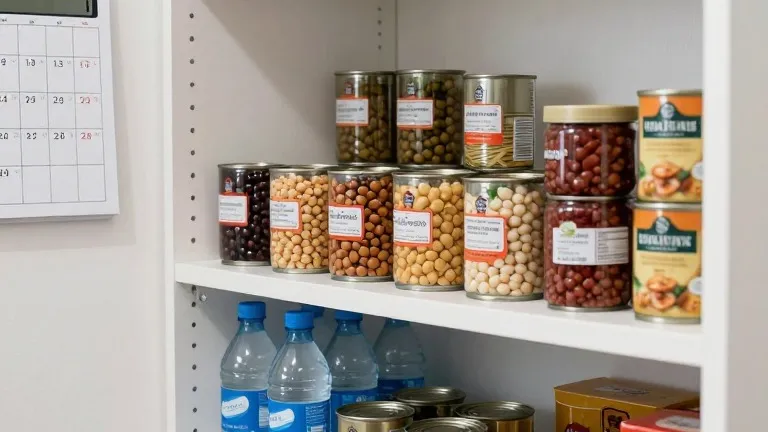
The UK government launched a new campaign on Thursday asking residents to keep three days' worth of emergency supplies at home.
The initiative, part of the Be Ready campaign, aims to help households prepare for potential disruptions caused by state-sponsored terrorism from Russia and the effects of the climate crisis. Officials have hinted at such preparedness for months, but the formal push began this week.
Lawrence Barratt, a resident of Hythe in Hampshire, began building his reserves about two weeks ago after seeing the government's online advice. He now adds tinned beans, soups, noodles, and rice to his weekly grocery runs. Barratt is purchasing bottled water in stages and setting aside a first aid kit, a battery-powered radio, and a torch. He uses a portable power bank originally bought for camping to charge phones and potentially run small appliances.
In Greenwich, London, Marco Camurri is stockpiling pasta, passata, and medicines. He recalled the empty shelves seen during the first lockdown in 2020 as a motivation for his family's preparation. Camurri stores firewood in his garden to boil water if necessary and keeps their car fuel tank above 50 percent, which he estimates provides about 300 miles of range. His family started this process a few months ago when reports of supply chain issues linked to El Niño emerged. They track the expiry dates of their stored items in a spreadsheet to ensure food is rotated before it spoils.
Jack Davenport from North Shields also cited El Niño as a trigger for his stockpiling. He described the current threats as difficult to quantify, pointing to climate disasters, Russian shadow threats, and energy-driven interest rate rises. Davenport characterized the country's infrastructure as creaking and outdated, suggesting the government's move is intended to reduce long-term panic by normalizing the idea of potential hardship.
Not all residents agree with the approach. Deirdre O'Sullivan from Leicester described the guidance as daft, comparing it to 1970s advice to hide under tables during nuclear attacks. She argued that the advice is inadequate for a genuine emergency and suggested that any danger to drinking water would be identified more precisely. O'Sullivan likened the policy to a measure from the television show Yes Minister, designed to show a policy exists even if it proves useless.
The government's website lists specific items for the three-day supply, including dried foods, bottled water, medicines, and backup power sources.
Source: The Guardian