BBC Blue Planet III retains imperfect ocean footage to counter AI doubts
Producers kept murky water and visible equipment in the new series to demonstrate authenticity, with David Attenborough narrating at age 100.
By Ricardo Brooks ·
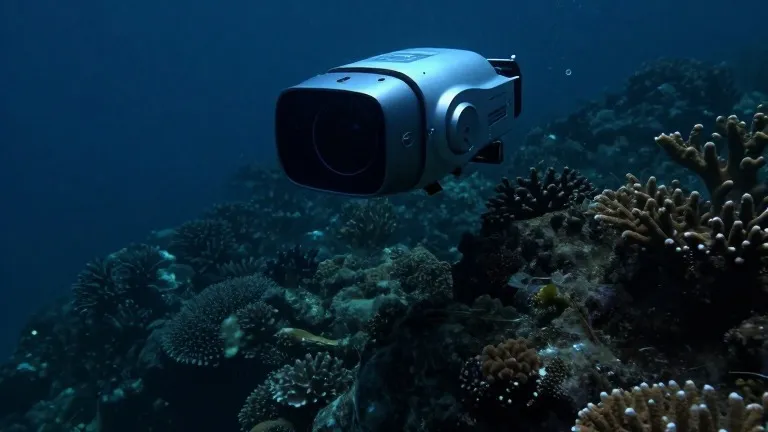
BBC Studios retained cloudier, less polished footage in the final edit of Blue Planet III to distinguish the series from artificial intelligence-generated content. The decision follows a decade since Blue Planet II focused on plastic pollution and 25 years since the original broadcast. The new installment arrives with a specific focus on animal behavior and advanced filming tools, including the world's first underwater CCTV camera, a device nicknamed the stonefish cam.
Executive producer Elizabeth White stated that the rise of AI fakery made the team prioritize an organic aesthetic. She explained that previous edits might have removed sequences filled with plankton or framed out visible boats and buoys. In this production, those details remain in the final cut. White described the deep ocean animals as more remarkable than AI could imagine and emphasized that the footage is completely real.
Jack Bootle, the BBC head of specialist factual commissioning, made a specific assurance to journalists at a press screening. He stated that no generative AI was used in the series and that not a single frame was synthetic. Bootle noted that while audiences may feel they have seen it all in the current golden age of natural history, this series features novel behavior.
The new footage includes dolphins using sea sponges to block coral holes and trap fish. Yoland Bosiger, the producer and director, developed the underwater CCTV technology used to record this behavior. Other sequences show a grouper communicating with a different fish species, 200,000 crabs lining up to feed, and sea urchins using shells for shade. A penguin sequence is designed to echo the viral iguana versus snakes moment from Planet Earth II.
Filming spanned four years across five oceans. Series producer Lara Bickerton described the unit's innovation, which included building a mini-dome camera to follow an octopus and a deep-sea selfie stick. Camera operators used leg-mounted scooters for immersive diving shots and lasers to capture deep-sea animals. The series also addresses climate threats, such as warmer seas killing sea anemones that house clownfish, and continues the plastics theme with stories on forever chemicals.
David Attenborough, who is 100 years old, was heavily involved in the process and made changes to the scripts. Bosiger said Attenborough remains curious and excited by new footage. When asked about the BBC's £500m cost-cutting drive, White declined to comment on the unit's reputation but noted that the series saved money by hiring more local crews on location than previous productions.
Blue Planet III begins broadcasting on Sunday 1 November on BBC One and iPlayer.
Source: The Guardian