NASA Clarifies Lunar Landing Path
New mission architectures streamline how Orion will connect with private landers to reach the Moon by 2028.
By Arjun Patel ·
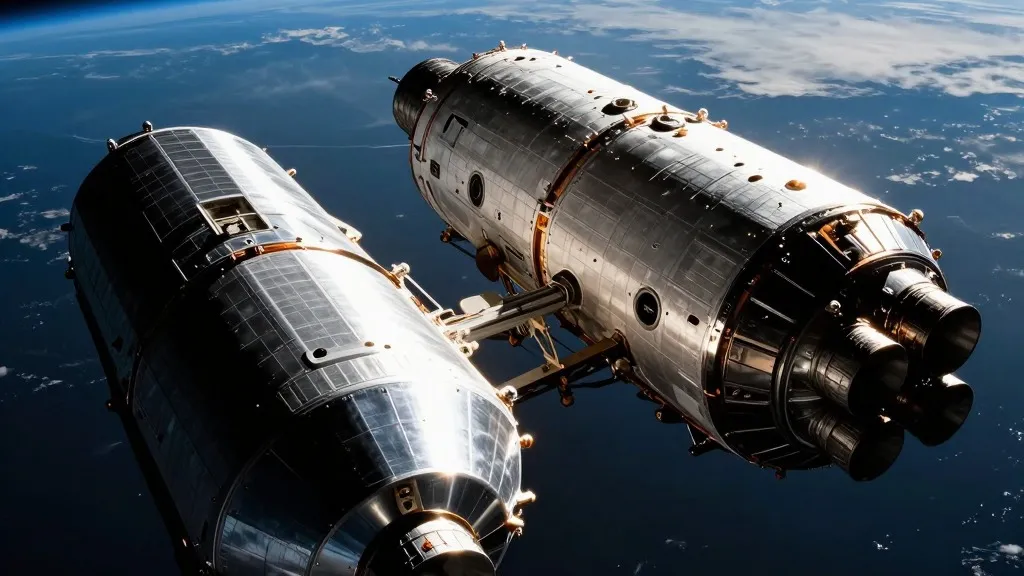
NASA Administrator Jared Isaacman and agency leadership recently detailed a refined roadmap for returning humans to the lunar surface, confirming target dates as early as 2028. During a comprehensive news conference on Friday, officials outlined specific changes to the Artemis Program’s architecture. This announcement marked the first time the agency has fully disclosed these structural adjustments, addressing long-standing technical hurdles and clarifying the roles of its commercial partners.
A primary shift involves the SpaceX Starship vehicle. The revised plan eliminates the previous requirement for the Orion crew capsule to dock with the Starship lander in a complex orbit around the Moon. Instead, the two vehicles will now connect in high-Earth orbit before traveling together to the lunar surface. This change simplifies the mission profile significantly. It addresses a major request from SpaceX engineers who previously argued that the old docking location demanded excessive energy and presented other operational difficulties. The cancellation of the Lunar Gateway earlier in the year effectively removed the infrastructure that necessitated the old, more difficult approach.
The blueprint for Blue Origin’s involvement also underwent notable modifications. The new architecture specifies four launches of the New Glenn rocket for the mission. Crucially, this plan removes the requirement for in-space refueling between spacecraft, a process that was technically complex. While the primary goal remains a direct approach, the design allows for the possibility that Blue Origin’s Blue Moon lander could rendezvous with Orion in low-Lunar orbit. This flexibility provides a contingency path while streamlining the main operational flow.
Regarding the timeline, NASA officials reaffirmed their expectation to launch the Artemis III mission by the summer of 2027. This mission will serve as a critical demonstration, involving docking operations with both the Blue Moon and Starship vehicles in the vicinity of Earth. Following this test, the agency is tracking a 2028 launch for Artemis IV, which is the mission intended to actually place astronauts on the Moon. Isaacman emphasized that the current trajectory is realistic, stating, “This is an achievable path we are on right now.” He noted that the agency possesses the necessary mandate, resources, and stakeholder support to execute these plans.
The update reflects a thorough review of every element within the Artemis Program. Leadership aimed to identify areas where changes could help lander developers accelerate their schedules and reduce technical risks. By simplifying the docking procedures and removing unnecessary refueling steps, NASA hopes to create a more robust system for the next decade of exploration. The agency remains committed to holding these dates, viewing the recent architectural tweaks as essential steps toward a sustainable lunar presence.
As the program moves forward, the focus shifts from planning to execution. The upcoming 2027 demonstration will be the first major test of these new protocols. Success in that mission is vital for validating the 2028 landing schedule. For now, the agency has provided a clear, unified vision for how it intends to bridge the gap between Earth and the Moon, relying on a mix of proven government hardware and rapidly evolving private commercial systems.
Source: Ars Technica