Middle East Diplomacy: Iran shortens Hormuz timeline
Tehran proposes a two-day framework for reopening the strait, while UN agencies report over 300,000 Yemenis displaced by renewed combat.
By Amit Ricci ·
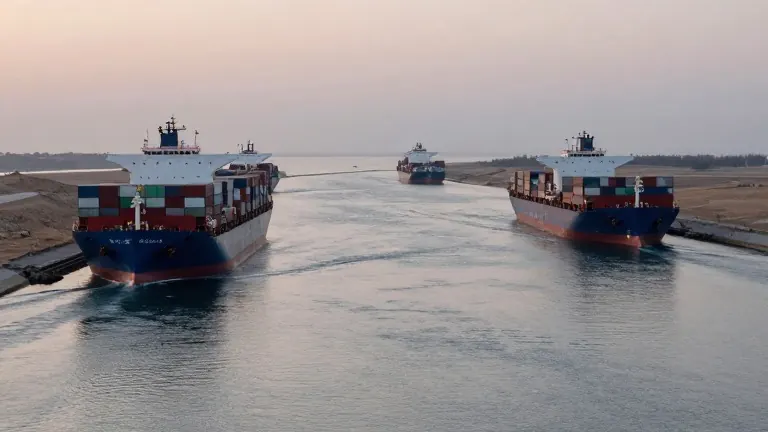
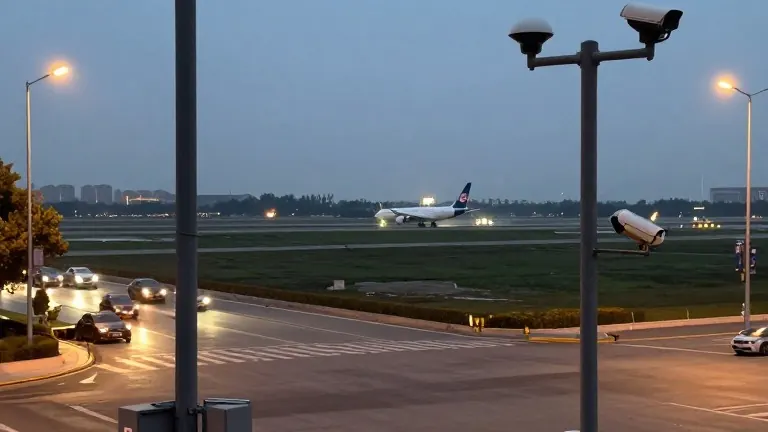
Residents of Gulf port cities and shipping firms may face a shorter disruption to oil flows if Tehran’s new proposal materializes. Iran announced Monday that it has prepared a two-day plan to reopen the Strait of Hormuz and resume nuclear negotiations with the United States. This timeline compresses the original seven-day schedule previously outlined by Iranian officials.
The shift comes as the region prepares for potential renewed conflict. Iranian Foreign Ministry spokesperson Esmail Baghaei stated that the plan remains the foundation for talks mediated by third parties. He described the accelerated timeline as evidence of Iran’s good-faith approach. However, Baghaei did not confirm that Washington accepted the proposal or that Tehran altered its core demands.
Iran previously listed seven conditions for the arrangement. These include lifting the U.S. blockade of Iranian ports, removing sanctions on Iranian oil sales, and establishing a ceasefire that covers Lebanon. Under the new framework, ships passing through the strait would follow a route agreed upon by Iran and Oman. Vessels would travel under Iranian supervision during the transit.
The diplomatic effort coincides with escalating humanitarian pressure in Yemen. The International Organization for Migration reported that more than 300,000 people have fled renewed fighting. Combat between Iran-backed Houthi rebels and Saudi-backed government forces broke a four-year truce. Aid groups face limited access to affected areas as displaced families struggle to find shelter and essentials.
Displacement is concentrated in the south. Aden has received more than 56,000 displaced people, according to IOM data. Taiz province continues to host fleeing families, but many are moving further south. Abdusattor Esoev, head of the IOM mission in Yemen, noted that families often leave with only the clothes they are wearing. He warned that thousands of families could lack urgent help without increased funding.
China is moving to insert itself into the regional mediation process. Beijing announced Monday that it will send a special envoy to Iran, Oman, and Saudi Arabia in early to mid-November. Foreign Ministry spokesperson Mao Ning said the envoy would focus on easing tensions and promoting stability. Chinese President Xi Jinping told Oman’s Sultan Haitham bin Tariq Al Said that the Gulf should not become an arena for great-power rivalry.
Violence continues in Gaza despite the October 2025 ceasefire. Two Israeli airstrikes killed two men in southern Gaza early Monday, according to Nasser Hospital. One victim died in a home, while the other was killed in a tent. The Israeli military did not immediately respond to a request for comment. Since the ceasefire began, approximately 1,580 Palestinians have been killed, bringing the total death toll to more than 74,500.
President Donald Trump has publicly alternated between pursuing diplomacy and threatening heavy bombing of Iran. The U.S. position remains fluid as mediators work to bridge the gap between Tehran’s demands and Washington’s conditions. The next phase of negotiations will hinge on whether both sides accept the shortened timeline and the specific operational details for the strait.
Source: Pioneer Press