Democrats Seize Congress, Triggering Immediate Impeachment Push Against Defense Secretary
A wave election has given Democrats control of both chambers of Congress, prompting a rapid move to impeach Pete Hegseth and reshaping the landscape for U.S. foreign policy and trade.
By Olga Menon ·
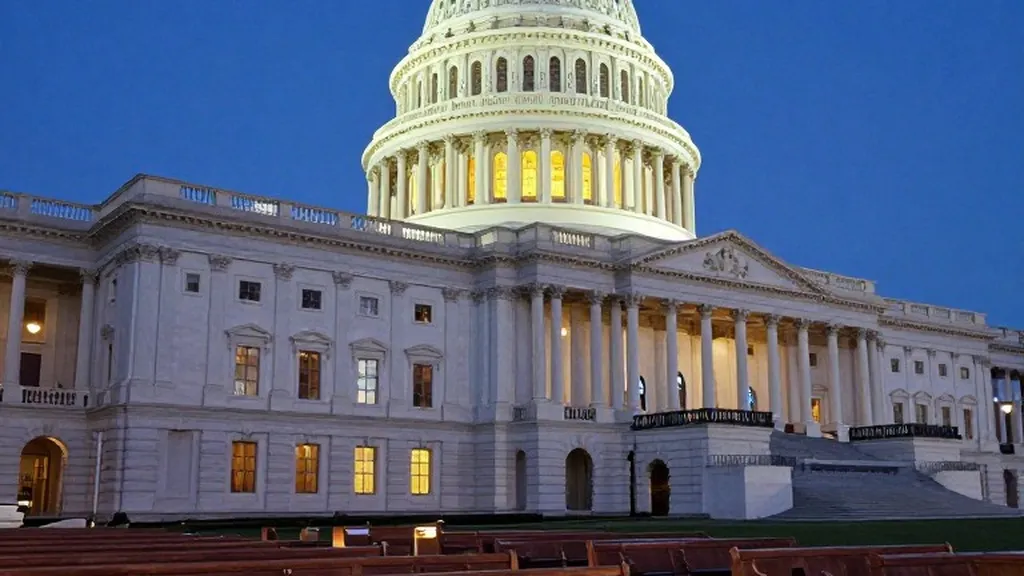
The 2026 midterm elections have concluded with a decisive shift in power, as Democrats have secured majorities in both the United States House of Representatives and the Senate. This outcome marks a significant moment in the American political cycle, where the party not in power typically gains seats. With results confirmed, Democrats now hold at least a 250 to 157 majority in the House and a 54 to 44 majority in the Senate. This sweep of federal offices means that the legislative branch, which checks the executive power of the president, is now dominated by the opposition party for the first time in several years.
For readers outside the United States, this shift in Congress has immediate implications for global markets, trade agreements, and foreign alliances. The American system relies on a separation of powers where the president leads the executive branch, but Congress controls funding and legislation. A Democratic Congress is expected to scrutinize the administration more closely, potentially slowing down executive orders and introducing new bills that affect tariffs and international relations. This structural change signals to foreign partners that the U.S. government is now more divided, which can complicate negotiations and signal a potential shift in policy priorities.
The most urgent development following the election results is the move to impeach Defense Secretary Pete Hegseth. Representative Thomas Massie, a Republican from Kentucky, filed an impeachment resolution on Monday, hours after the new Congress began its sessions. The resolution focuses on the war in Iran, which many voters cited as a key factor in their decision to vote for Democrats. Massie argued that Hegseth knowingly executed unlawful orders and remains a threat to the Constitution. This action is rare for a Republican to take against a Trump administration official, highlighting the extent of the political backlash.
President Donald Trump reacted strongly to the impeachment push, calling Massie a loser who has a lot of hatred in his heart. However, the political math has changed. House Democratic Leader Hakeem Jeffries supports the measure, and if most Democrats vote in favor, Massie would only need support from a few remaining Republicans to pass the impeachment in the House. The vote could come as early as mid-week. If the House impeaches Hegseth, the Senate will then hold a trial to decide whether to remove him from office. This process creates a period of uncertainty in the Department of Defense, which oversees U.S. military operations abroad.
The war in Iran has been a central issue in the election, with many voters blaming the administration for the conflict. The impeachment resolution includes references to Hegseth's role in military actions in Yemen and Venezuela, suggesting a broader review of the administration's foreign policy decisions. For allies and adversaries, this signals that the U.S. leadership may be more willing to question the legality and strategy of ongoing military engagements. The new Democratic majority in Congress is likely to demand more transparency and oversight in these operations, which could affect the pace and scope of U.S. involvement in the region.
In addition to foreign policy, Democrats are preparing to use their new power to challenge the administration's education agenda. They plan to investigate the dismantling of the U.S. Department of Education and use federal funding as leverage to rein in executive decisions. While the president has the power to veto bills, Democrats control the appropriations process, which determines how government money is spent. They are exploring ways to add conditions to spending bills to establish guardrails and prevent further changes to education policies. This strategy allows them to exert influence even when legislative passage is difficult due to veto threats.
The election results also show a significant shift in state-level governance. Democrats won a plurality of state government trifectas, where one party controls the governor's office and both legislative chambers. This is the first time since before the 2010 elections that Democrats have won a majority of governorships. This state-level control could influence national policy, as state governments often serve as laboratories for new ideas and regulations. It also provides Democrats with more leverage in negotiating with the federal government on issues that affect their constituents, such as infrastructure and environmental protections.
For global markets, the election results may lead to increased volatility as investors adjust to the new political reality. A divided government, with a Republican president and a Democratic Congress, often leads to gridlock on major legislation. However, it can also lead to targeted changes in policy areas where Democrats have strong support, such as climate change and social programs. Companies that rely on U.S. trade policies or government contracts may need to reassess their strategies. The potential for new investigations and funding conditions could impact sectors like education, technology, and defense.
The relationship between the U.S. and its allies may also be affected by the new congressional leadership. Democrats have generally favored multilateral approaches to international issues, while Republicans have often emphasized bilateral agreements. This shift could lead to a more collaborative approach in forums like the Asia-Pacific Economic Cooperation summit, where President Trump is scheduled to meet with Chinese leader Xi Jinping. The new congressional leaders may push for more consultation with allies on trade and security issues, potentially altering the dynamic of U.S. foreign policy.
The election results also highlight the growing influence of religious voters in American politics. In California, Xavier Becerra won the governorship, becoming the state's fifth consecutive Catholic governor. This reflects the deep roots of Catholicism in the state and the complex political views of Catholic voters. While Catholics are not a monolithic voting block, their participation in elections can influence outcomes in key states. The new governor's focus on issues like the sanctity of life and social justice may shape state policies that have national implications.