Army proceeds with Iowa explosion after Eighth Circuit lifts stay
Federal judges ruled on Monday that environmental groups have not shown enough evidence to block the detonation of five tons of unstable lead azide at the Iowa Army Ammunition Plant.
By Ricardo Brooks ·
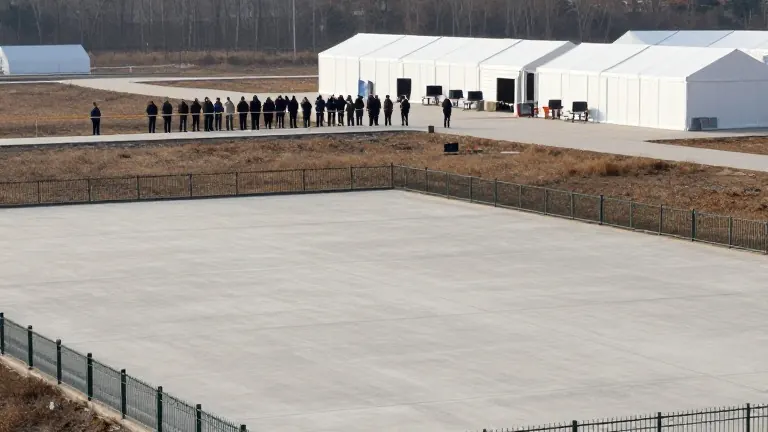
The US Army will detonate approximately five tons of degraded lead azide at the Iowa Army Ammunition Plant on Wednesday morning. This action follows a ruling by the Eighth Circuit Court of Appeals that lifted a legal pause on the operation.
Acting Army Secretary Adam Telle confirmed the schedule on X, stating that the military is proceeding in coordination with state, local, and federal authorities. Telle noted that both Iowa’s current Governor and the incoming Governor-elect agree the decision rests with technical experts.
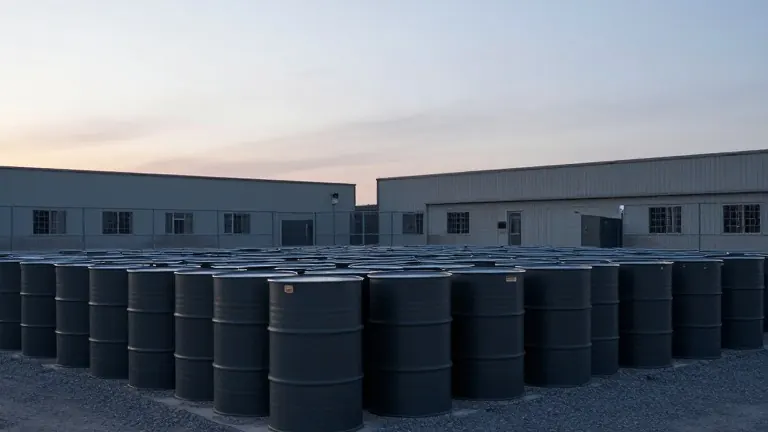
The material is a highly sensitive explosive compound used to initiate munitions. Court documents indicate the Environmental Protection Agency was notified of the material's need for disposal in March 2026. An Army FAQ described the stockpile as extremely unstable and sensitive to friction or movement, making transport dangerous.
President Donald Trump ordered the military to halt the plan on Monday, pending approval from the appeals court and Iowa’s Governor-elect, Rob Sand. Trump wrote on Truth Social that he wanted to resolve the long-term problem but required agreement from the judiciary and the incoming administration before moving forward.
The legal challenge originated from an emergency motion filed by the Iowa Environmental Council and the Sierra Club. The groups argued that the EPA failed to properly evaluate the risks of the explosion before issuing its permit. A three-judge panel reversed a temporary stay on Monday, finding insufficient evidence that the environmental groups would prevail.
Army filings state there is no option to avoid detonation. The military argues the choice is between a planned explosion with public notice and cleanup, or an unplanned accident that could occur at any moment. Officials warn that winter weather could further destabilize the material if it is not removed.
Health officials warn that the detonation could release a plume of lead across the plains of Iowa, particularly affecting the southeastern region near Middletown. Dr. Sameer Vohra, director of the Illinois Department of Public Health, stated that there is no safe level of lead in the body and that inhaled or swallowed lead poses serious health risks.
Local politicians have expressed opposition to the timeline. Governor-elect Rob Sand said on Sunday that no good options exist due to decisions made over the previous months. He added on Monday that the final call should be based on information provided by the experts who assessed the site earlier in the year.