Turkey hosts COP31 as leaders seek to halt rising global temperatures
Negotiations begin in a year marked by extreme weather, with scientists warning that the 1.5-degree Celsius limit is likely to be breached.
By Olga Menon ·
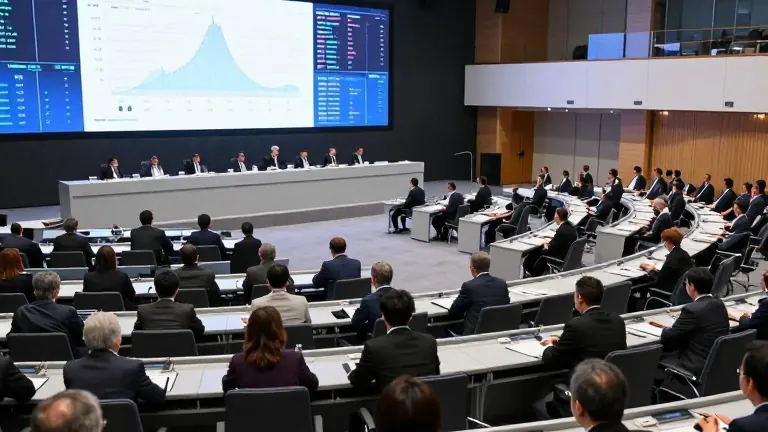
Formal talks opened Wednesday at the United Nations climate conference in Turkey, where world leaders aim to finalize specific measures to slow global warming. The gathering follows a year defined by deadly floods, severe heat waves, and other climate-related disasters that have intensified pressure on governments to act. Australia is currently leading the negotiations for the event, known as COP31, which officially began on Monday.
The central challenge for the delegates is converting previous diplomatic language into enforceable plans. Scientific consensus indicates that global warming is likely to surpass 1.5 degrees Celsius above preindustrial levels from the early 1800s. This threshold was established as a primary target during the 2015 Paris Agreement and remains the focal point of international diplomatic efforts.
Trust in the process has waned after recent summits produced limited results. Delegates in Dubai in 2023 agreed to shift away from fossil fuels, including coal, oil, and gas, which are the main drivers of climate change. However, subsequent conferences in Azerbaijan and Brazil yielded few concrete reductions. The Brazilian summit last year resulted in a compromise agreement to provide additional financial support to vulnerable nations for adaptation, yet critics argue the pace of action is insufficient.
John Kerry, a former U.S. secretary of state and presidential climate envoy, emphasized the need for tangible results during the opening days. "We don't need more promises, we need plans," Kerry said. His remarks come at a time when the United States, the world's second-largest polluter behind China, is absent from the talks for the second consecutive year.
The U.S. delegation is missing while President Donald Trump, who has described climate change as a hoax, pursues policies that target offshore wind projects and eliminate regulations limiting power plant emissions. The domestic U.S. strategy contrasts with the international push for renewable energy, a sector gaining prominence as the war in Iran has driven up global prices for gasoline, oil, fertilizers, and pesticides. These rising costs are forcing governments to reconsider their energy investments and rely more heavily on wind and solar sources.
The conference continues with the goal of bridging the gap between scientific urgency and political reality. Delegates from various nations will work through the remaining sessions to determine if the current global framework can withstand the economic and environmental pressures of the coming decade.