Trump Reverses Stance to Claim US Midterm Elections Were Stolen
President Donald Trump has renewed allegations of fraud following the Democratic sweep of Congress, reversing his prior acceptance of the results.
By Olga Menon ·
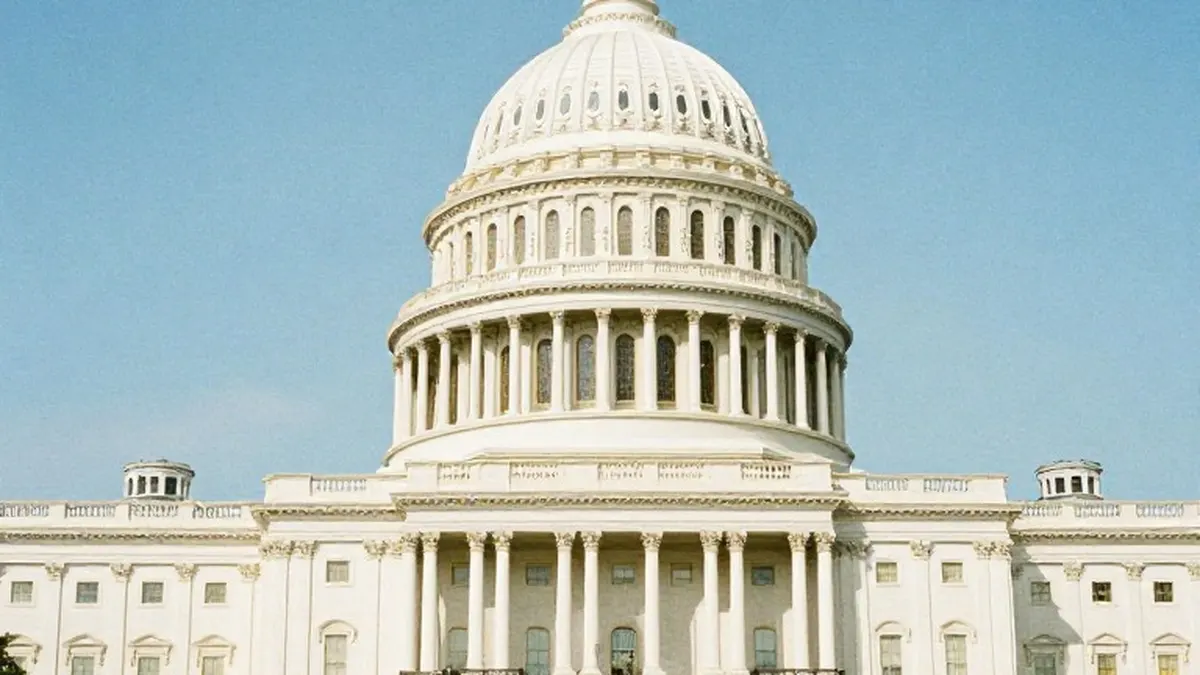
President Donald Trump renewed his baseless allegations of election fraud on Monday, asserting that the recent US midterm elections were stolen. This statement comes after Democrats successfully captured control of both chambers of the US Congress, a result that marks a significant shift in the political landscape. The president's latest comments represent a sharp reversal from his position just days earlier, when he stated he was willing to accept the outcome of the midterms.
In a post on Truth Social, Trump questioned the honesty of the election, asking if anyone truly believed the process was fair. He further suggested that pre-election polls had been significantly wrong, noting that they had largely predicted a Democratic takeover of the House and Senate but had underestimated the scale of the victory. The blue wave was so powerful that Republicans suffered defeats even in states historically considered deep red. Without providing specific evidence, Trump alleged that large dumps of early voting had made Republican victories impossible.
The president also highlighted the role of voting technology in his critique. He wrote that the machines were far more important than the voters themselves, a claim that echoes his previous controversies surrounding election integrity. This pattern of behavior mirrors his most notable challenge to the results of the 2020 presidential election, where he defeated Joe Biden but continued to claim the race was not decided fairly.
Chuck Schumer, the top Democrat in the US Senate who is set to lead the body, reacted to the president's comments with criticism. Schumer described Trump's return to election denialism as inevitable and somewhat pathetic. He noted that despite the president's complaints, the reality remains that for the next two years, Trump will face the largest Democratic congressional majorities in decades. Schumer attributed this outcome directly to what he called Trump's unprecedented failure as a leader.
Before the vote actually took place, the Trump administration appeared to be preparing legal grounds for a potential challenge to the results. The Justice Department filed lawsuits against thirty states and the District of Columbia, seeking their voter registration lists. The administration claimed it needed these lists to identify non-citizens on the rolls. In most of these cases, including more than two dozen, the department lost its legal bid. Additionally, the administration demanded that ballots be set aside for approximately 20,000 people in California and over 400 in Washington state, citing suspicions that these individuals were non-citizens.
The US Supreme Court rejected the administration's request regarding California, delivering a blow to the Trump team just one day before election day. Washington State also refused the demand to hold ballots. Studies have repeatedly found that non-citizen voting is exceptionally rare, suggesting that the administration's concerns may have been overstated. These legal maneuvers were seen by some as an attempt to create obstacles for the certification process.
The Justice Department also sued the state of Alaska with the aim of delaying the certification of its Senate race. This legal action was contingent on Republican incumbent Dan Sullivan narrowly losing to Democrat Mary Peltola. The lawsuit cited a second candidate named Dan Sullivan, whom the administration claimed was trying to confuse voters, a claim the candidate denies. Trump stated that he personally ordered this lawsuit, although experts note that federal law does not typically allow the department to block the certification process, which courts can compel officials to carry out.
Despite the legal strategies and the president's vocal objections, the Democratic victory in both chambers of Congress appears to be cementing a new era of legislative control. The administration's efforts to challenge the results through the courts and public statements have not yet succeeded in altering the fundamental outcome of the election. As the new congressional term approaches, the friction between the executive and legislative branches is expected to intensify.