Coal Plant Emergency Order Expires as Michigan Families Face Rising Bills
The J.H. Campbell plant stays open only through a temporary federal directive, drawing criticism from regulators and community leaders.
By Amit Ricci ·
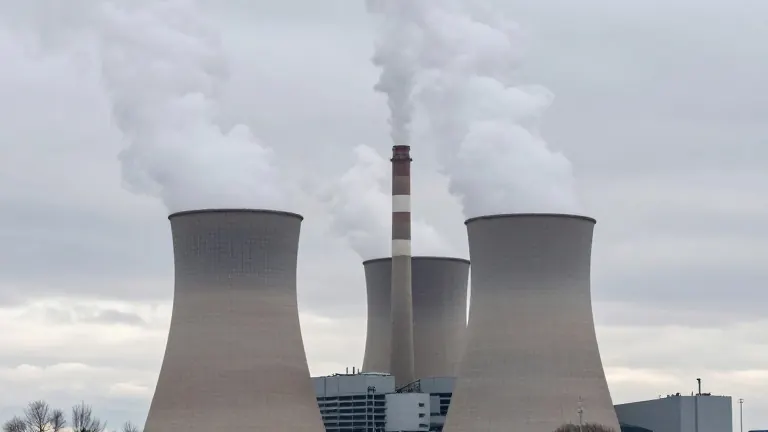
Residents in West Michigan face a shift in their power supply this Saturday, when a federal emergency order keeping the J.H. Campbell coal-fired power plant online is set to expire. The Trump administration has repeatedly extended the plant's operational life since May of last year, citing a national energy crisis that officials say prevents the facility from shutting down as originally planned for 2025.
Local community groups dispute the urgency of the federal stance. Sergio Cira Reyes, a climate justice catalyst with Urban Core Collective, noted that local energy regulators and experts had carefully prepared for the plant's closure. "And so there’s already experts in community, locally, at the state level and regionally, that have made assessments," Cira Reyes said. "And they know what they’re doing."
The financial burden of keeping the plant active has become a central point of contention. The Michigan Attorney General’s Office estimated in September that the extended operation has added $295 million in costs. State officials indicated that these expenses could be transferred to electric customers, adding to bills that residents already consider high.
A federal judge vacated the Department of Energy’s initial emergency order in September, a ruling that is currently under appeal. The department has issued similar orders to keep other coal plants operating across the country. Cira Reyes argued that the current situation forces Michigan families to absorb the costs of what he described as the department's effort to assist the coal industry. "Michigan families can’t afford to pay this added cost of this stubborn Department of Energy’s stance to essentially do a favor for the coal industry and order these different coal plants across the country to stay open," he said.
The expiration of this specific order leaves the plant's status dependent on further federal action or the outcome of the ongoing legal appeal. The J.H. Campbell plant remains one of several facilities nationwide subject to these emergency directives, creating a patchwork of regulatory exceptions for aging infrastructure.