Pope Leo XIV holds private meetings with abuse survivors in Argentina
The U.S.-born pontiff met privately with five survivors in Buenos Aires following a massive open-air mass during his historic Latin American tour.
By Olga Menon ·
Pope Leo XIV engaged in private discussions with five individuals who survived clerical sexual abuse on the second day of his current visit to Argentina. These closed-door sessions took place in Buenos Aires on Monday and represent the initial step in a series of conversations the pontiff intends to hold with survivors throughout his twelve-day journey across Latin America, as confirmed by the Vatican.
In a statement released after the meetings, the Vatican noted that the Pope spoke with each survivor individually. He listened to their personal accounts of pain and suffering, as well as their suggestions for enhancing pathways to healing within the Church community. The private nature of the gatherings allowed for an intimate exchange focused on personal testimony and institutional improvement.
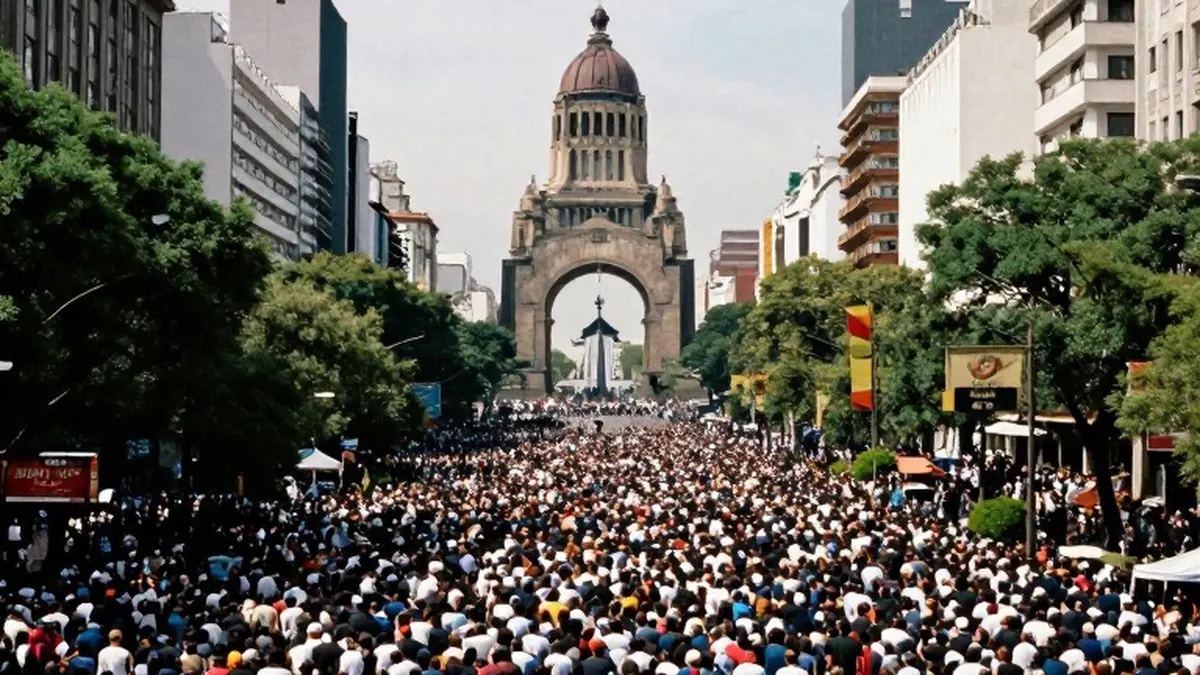
These meetings occurred immediately after a significant open-air liturgical service. The mass attracted an estimated 2.5 million attendees to the Avenida del Libertador, a major boulevard in the capital. The event was held at the Monumento de los Espanoles and marked the first papal liturgy in Argentina in nearly four decades, underscoring the high profile of the visit.
The Holy See Press Office previously explained in October that the purpose of these encounters is to demonstrate the Pope's closeness to those who have suffered. The goal is to build effective paths to healing and to ensure that the Church becomes a safe and spiritually healthy environment for all its members.
Leo, who is 71 years old, is the first pope born in the United States. He has maintained a consistent practice of meeting with abuse survivors during his foreign travels. This broader outreach strategy aims to repair global relationships and restore the credibility of the Catholic Church, which has faced significant reputational challenges over the past thirty years due to widespread sexual abuse and subsequent cover-ups.
The scale of the crisis is difficult to track globally, but specific inquiries have provided stark data. A 2021 independent inquiry estimated that 216,000 people were victims of clergy in the French Catholic Church between 1950 and 2020. In the United States, earlier research identified more than 10,600 individuals abused by Catholic priests during the period from 1950 to 2002. Additionally, a 2019 German study counted 6,875 victims of Catholic clergy, religious, and lay church workers in Australia between 1980 and 2015.
During the hour-long meeting in Buenos Aires, the Pope listened to the testimonies of the victims and reiterated his commitment to strengthening safeguarding measures within the Church. Before assuming the papacy, Leo served as the president of the Pontifical Commission for Latin America, a role that likely influenced his focus on the region.
Argentina serves as the second stop on the Pope's three-country tour, which began in Uruguay and is scheduled to conclude in Peru. This itinerary highlights the importance of the region to the current pontificate.
The visit holds historical significance as it is the first by a pope since the trip made by Pope John Paul II in 1987. The extended nature of the tour and the specific focus on meeting with survivors signal a new approach to addressing the Church's past and present challenges in Latin America.