Pope Leo XIV returns to Chiclayo
The pontiff celebrated Mass for half a million people in the Peruvian city where he served as bishop.
By Amit Ricci ·
Pope Leo XIV returned to Chiclayo, Peru, on Friday, marking a personal homecoming to the diocese where he spent two decades as a bishop.
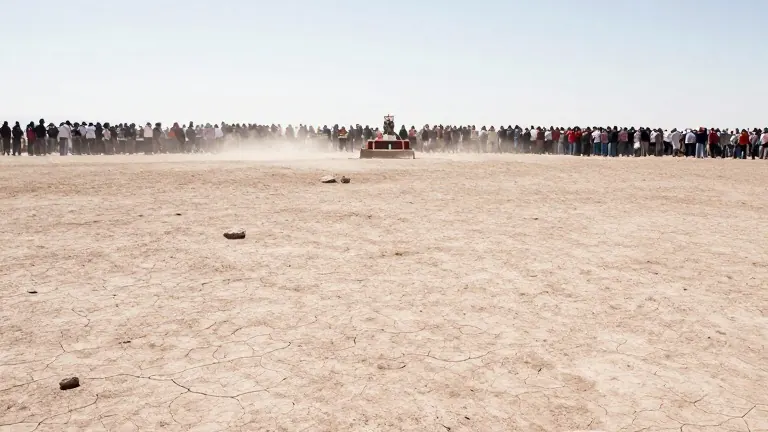
The Vatican reported that one million people lined the route of his motorcade, while 500,000 attended his first Mass on Peruvian soil. The event took place in a dusty field outside the city, which has a population of 700,000 and serves as a commercial hub on the northern Pacific coast. Temperatures reached 31 degrees Celsius during the ceremony.
Leo, who is 71 years old, arrived at the local airport and proceeded directly to the Mass site. He addressed the crowd from a popemobile, describing the return as a joy. He thanked the faithful for their prayers during his recent hospitalization for lung cancer and stated that he is overcoming the health issue with divine help. The emotional reception contrasted with his usual reserved demeanor, with witnesses reporting that he appeared moved and occasionally teary.
The city holds a specific place in Leo’s history, known locally as Padre Roberto. He served as bishop of Chiclayo from 2014 until 2023, when Pope Francis transferred him to Rome to lead the Vatican’s office for bishops. During his time in Peru, he managed crises including the 2020 pandemic, severe floods, and a surge in Venezuelan migrants. His tenure was defined by a focus on social justice and close engagement with the poor, a style that earned him enduring local affection.
The local culture reflects his presence, with businesses adopting his image and name. A nearby restaurant calls itself the pope’s restaurant and sells ice cream bars featuring his likeness. A life-size cardboard cutout greets visitors at his former residence, which now displays an exhibit of the skullcaps he wore during his time as bishop, cardinal, and pope. Residents described the visit as a celebration of their faith and their connection to the current head of the Catholic Church.
After the Mass, Leo visited a chapel dedicated to Saint Oscar Romero, a figure revered among the working class for defending the poor. The construction of this chapel was initiated during Leo’s tenure as bishop. According to a new biography by Daniel Burke and Scott Detrow, Leo worked to shift the diocese away from a conservative clerical model associated with Opus Dei priests. He aimed to create a structure that empowered laypeople and prioritized the needs of the poorest members of the community, a dynamic he had previously embraced in the diocese of Trujillo.
The visit concluded with the crowd chanting that the pope is from Chiclayo. Darwin Sánchez, a seminarian who carried Leo’s miter during the service, recalled an earlier incident where the then-bishop burned his hand on a censer but kept the chain moving without complaint. Sánchez said that interaction gave him the courage to pursue his vocation. The pontiff’s return to the Pacific coast reaffirms the personal ties between the current papacy and the region that shaped his early ministry.