Phone Pouches Add Two Weeks to Class
Harvard researchers found that locking away devices yields small but measurable gains in standardized test scores for millions of US students.
By Amit Ricci ·
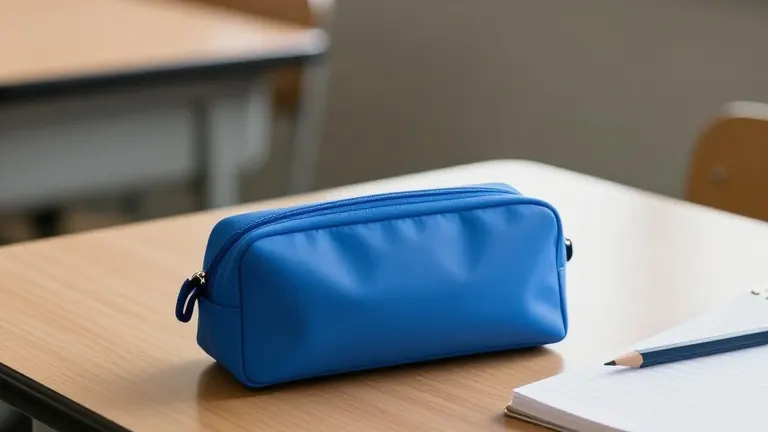
Students in 4,600 American schools spent the last five years keeping their smartphones in locked pouches during class. A new analysis released Tuesday by the Center for Education Policy Research at Harvard University measured the impact of those restrictions on academic performance.
The team examined standardized test scores from 3.3 million students in grades four through ten. They found that learners in schools with strict bans showed slightly better growth than peers in similar districts without such rules. The estimated benefit equals one or two additional weeks of instruction over a single school year.
Thomas Kane, a Harvard professor and co-author, stated that the study aimed to test if the global decline in student achievement is reversing. That downward trend began around 2013 as social media smartphones became common. Kane said the data confirms a positive effect on growth but cautioned that it is not a complete solution.
He noted that because the initial learning decline was gradual over a decade, the recovery is expected to be slow. The authors concluded that storing phones is a cost-effective way to add instructional time. They estimated this gain is about half the size of the annual test score decline observed since smartphones became mainstream.
The research coincides with legislative action in the United States. More than 40 states have enacted laws restricting cellphones in schools, according to the Phone Free Schools State Report Card. These laws vary, often allowing individual schools to design their own enforcement policies. This creates a patchwork of rules that makes consistent implementation difficult.
The findings contrast with a report published in May by researchers from Stanford, the University of Michigan, Duke, and the University of Pennsylvania. That study, conducted by the National Bureau of Economic Research, found close to zero effect on test scores when comparing strict bans to tens of thousands of other schools. It did, however, find modest positive effects in high school math scores over three years.
Thomas Dee, a Stanford education economist who authored that earlier report, described the initial results from phone bans as largely disappointing. He said the data raises unresolved questions about how much learning actually improves. Dee expressed hope that the Harvard findings regarding accumulating gains over time are correct but remained cautious about extrapolating from small estimates based on only a few years of data.
Dee suggested that students may still be distracted by other devices at school or that phone use outside of school hours is harming child development. Jean Twenge, a psychologist at San Diego State University, added that enforcement is often inconsistent. She noted that teens frequently find creative ways to bypass bans, such as using burner phones or keeping devices in backpacks.
Kane and Twenge agree that phone use outside of school is a critical factor that remains difficult to measure. Kane noted that it is surprising social media companies track how much time children spend on their platforms but have not linked that data to student outcomes. Until these firms share more information, researchers cannot fully answer whether late-night digital binges are costing students academically.