Astley residents challenge warehouse operations over noise and loss of privacy
Villagers in Greater Manchester are preparing to oppose Whistl’s vehicle plans at a public inquiry after reporting disrupted sleep and distress.
By Olga Menon ·
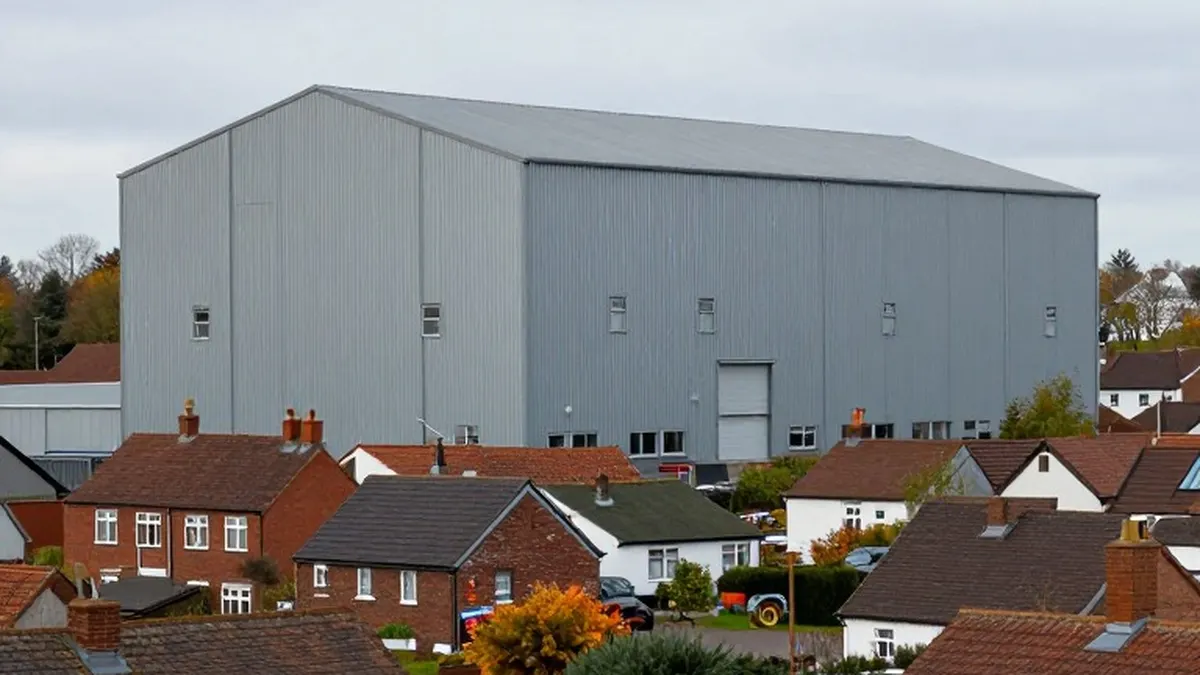
Residents of Astley in Greater Manchester are challenging plans for dozens of heavy goods vehicles and trailers to serve a warehouse operating around the clock near their homes. A two-day public inquiry will hear their objections to the Whistl distribution operation, whose 18-metre-high building has prompted complaints about noise, privacy and the transformation of the village.
Stephen Retford, 70, a former detective who retired from the police in 2006, said disturbances had left him and his wife, Carole, 71, without a proper night’s sleep for more than a year. Both have consulted their doctor about sleep deprivation. Retford has monitored vehicle movements overnight and commissioned independent acoustics specialists to investigate noise he believes breaches regulations. Residents have raised £78,000 for their campaign, with much of the money intended to pay lawyers for the inquiry.
An unnamed police officer living nearby said the constant sound of conveyor belts had deterred her autistic 10-year-old son from using the garden. Her eight-year-old daughter was also frightened to play in her bedroom and wanted the blinds closed after school because a warehouse CCTV camera faced their home. The family moved to Astley before development plans were submitted, when farmland and grazing animals surrounded the area.
Helen Halbous, 47, who moved to the estate seven years ago, said she and her partner, Sami, feared they could not sell their home. She said a neighbour’s valuation had fallen by 30%. Halbous also argued that residents had been misled about the building’s dimensions and proximity to housing, saying permissions had changed quietly and that she would not have bought there had she understood what would follow.
Landowner PLP disputed the suggestion that the development’s scale had changed, saying the buildings’ dimensions had remained consistent since its 2023 planning application. Earlier proposals for smaller units, submitted in 2017 by Peel, one of PLP’s largest shareholders, had expired, it said. Wigan council maintained that it had properly approved the development despite opposition from the local MP and dozens of residents.
The council said an independent review found its planning procedures legally sound and consistent with national guidance, while identifying shortcomings in engagement and transparency. Council leader Nazia Rehman acknowledged last month that lessons had been learned and promised more proactive consultation. Local leaders have also abandoned proposals for four other large warehouses following the backlash.
Andy Burnham raised concerns about the scheme before becoming prime minister, saying earlier this year, while Greater Manchester mayor, that aspects of the development should have been handled differently. His successor as mayor, Bev Craig, has also questioned why new industrial buildings can be located so close to homes.
Whistl, which started operating at the site in July, said it took residents’ concerns seriously and was committed to fulfilling its licensing obligations. It has promised quieter vehicles and a halt to their outdoor use between midnight and 6am. The company said noise controls and the overnight pause in yard activity would remain while those involved sought a lasting solution.