Burnham’s social media approach raises questions over press scrutiny
Limited access for reporters at the Commonwealth summit has prompted questions about Andy Burnham’s communications strategy, while Downing Street says he remains open to scrutiny.
By Olga Menon ·
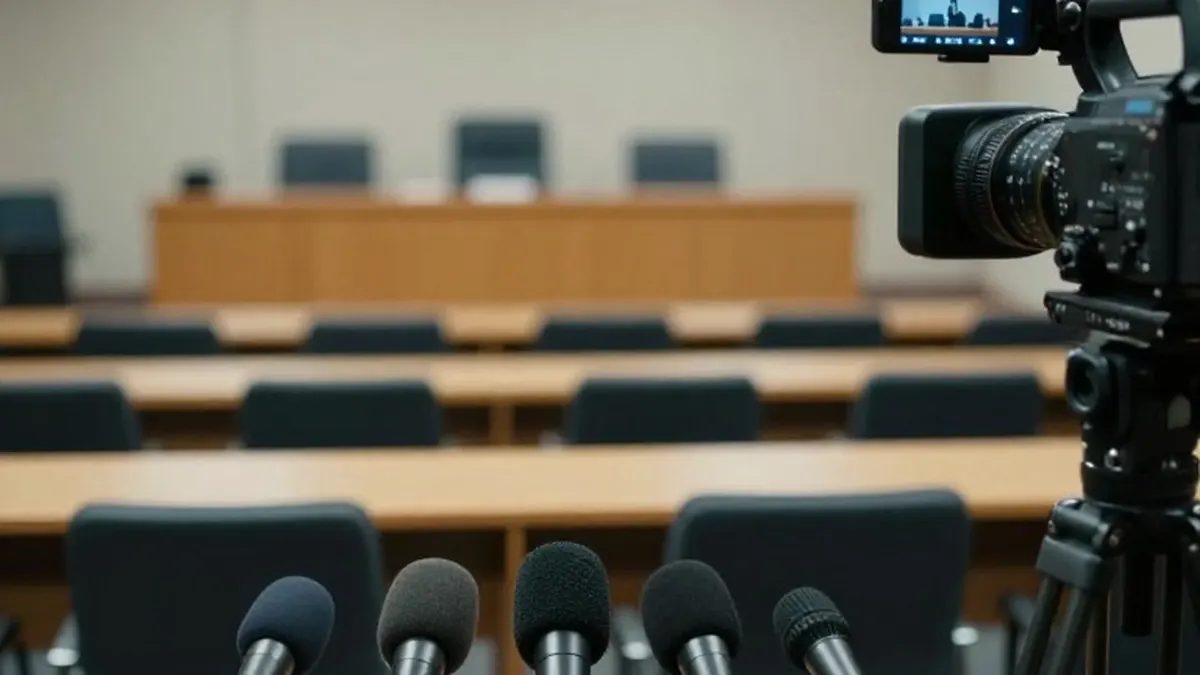
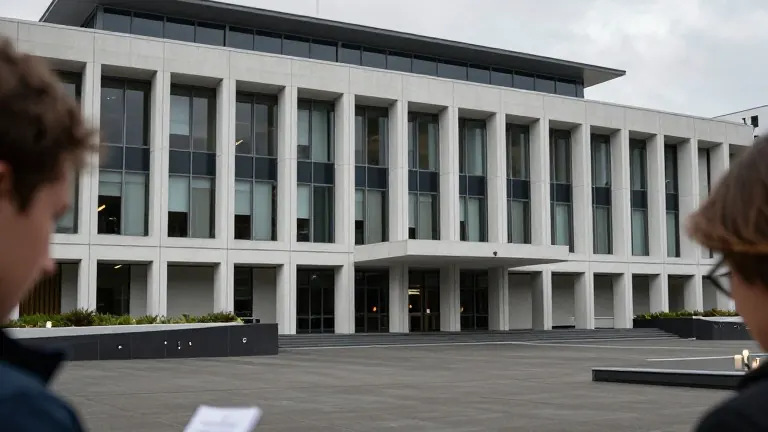
Andy Burnham’s growing emphasis on social media, podcasts and influencers has drawn questions about how much scrutiny he faces from traditional news organisations. His decision to attend the Commonwealth heads of government meeting with only one television crew and a news agency journalist brought that debate into focus.
During the three-day summit, Burnham answered media questions for a total of seven-and-a-half minutes across two brief BBC interviews. The gathering included discussions about an apology for slavery and potential reparations, while major events elsewhere included the US midterm elections. Downing Street officials said the summit offered unusually restricted access for journalists and pointed to interviews and other media appearances the prime minister had undertaken beforehand.
The arrangements differed from those at the previous Commonwealth summit in 2024. Keir Starmer travelled with a full group of reporters and held both a press conference and an informal question-and-answer session aboard the government aircraft. Those sessions take place off camera but on the record, with each accompanying journalist able to ask a question.
Burnham and his advisers have defended their approach to reaching audiences. Alongside appearances with podcasters and influencers, his own social media material includes conventional addresses to camera and a YouTube video in which he ranked pub snacks with the chancellor, John Healey. In an ITV interview broadcast this week, Burnham said he hoped such material would help him reach people, particularly younger audiences who had felt disconnected from politics.
Asked whether that approach reflected less concern about the views of rightwing newspapers, including the Sun and the Daily Mail, Burnham answered: “Definitely.” He said frustration with Westminster commentators had contributed to his departure from Westminster, arguing that their opinions no longer carried the same influence.
No 10 rejects suggestions that Burnham avoids scrutiny. It cites recent extended interviews and challenging questions during an appearance on ITV’s Good Morning Britain last month. Nevertheless, some observers believe his team is making his overall schedule of media engagements less demanding. A former adviser to several Conservative prime ministers warned that reporters could respond collectively if they felt excluded or unable to examine policies adequately.
Questions from journalists travelling with a prime minister can produce consequences well beyond a summit. During a flight to China in 2018, Theresa May’s remark that she intended to contest the next election stirred opposition among her own backbenchers. Her former press secretary, Paul Harrison, described aircraft question-and-answer sessions as unpredictable encounters, with potentially 15 journalists free to raise any subject and an ill-judged answer capable of generating lasting headlines.
Liz Jarvis, a Liberal Democrat MP, former journalist and member of the culture, media and sport select committee, acknowledged that politicians needed different ways to communicate. But she said Burnham sometimes appeared to be protected from scrutiny. While describing him as a skilled speaker, she questioned the substance of some of his answers at prime minister’s questions and said he would face greater accountability when his honeymoon period ended.