Iranian regime targets assets of exiled journalists
Independent reporters living abroad face asset seizures and pressure from the Iranian government as part of a broader crackdown on media voices.
By Ricardo Brooks ·
The Iranian political system has turned its attention to independent journalists, even those who have lived in exile for years, as it seeks scapegoats during times of crisis. At the end of September, the country's judiciary announced the confiscation of assets belonging to individuals accused of cooperating with hostile governments. This action is part of a wider plan targeting approximately 400 people abroad, including journalists, activists, artists, and athletes.
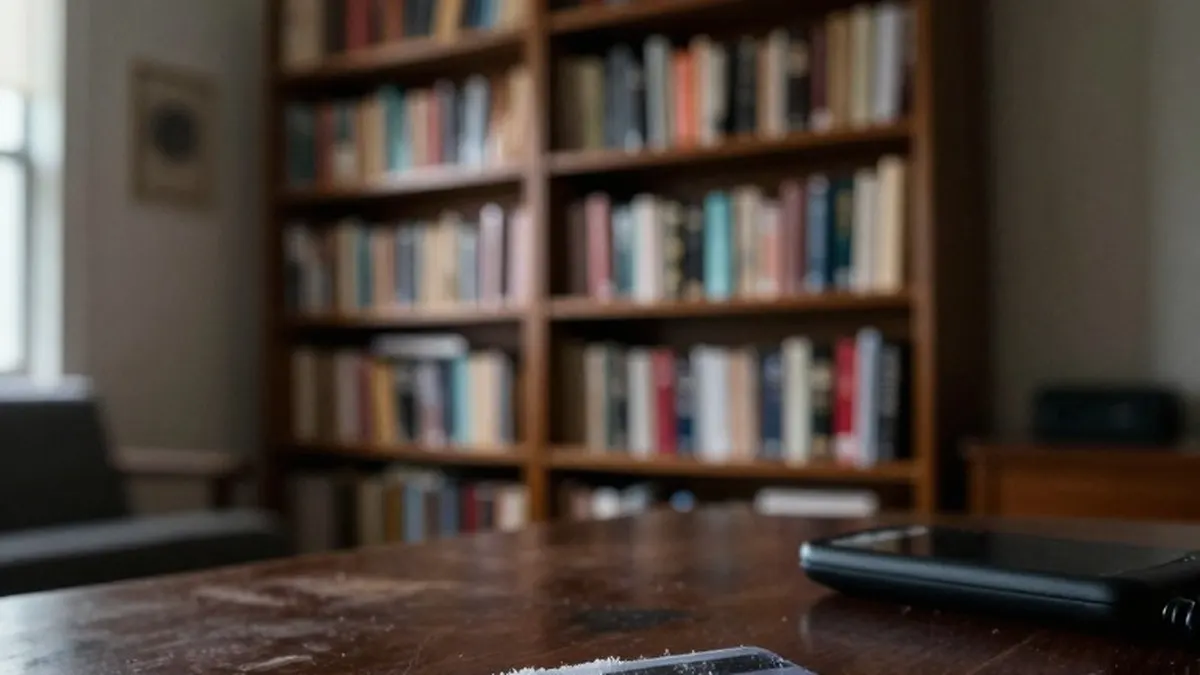
Amir Soltanzadeh, a freelance journalist who occasionally works for Germany's international broadcaster DW, discovered his name on a government list labeled as traitors to the homeland. He noted that the only item he owns in his parents' house in Iran is a bookshelf. In an online post earlier this year, he shared a photo of his book collection and stated that if the authorities enjoyed reading, they were welcome to confiscate his library, which he described as his sole asset in the country.
Soltanzadeh reported that his bank account in Iran was also frozen. The account held the equivalent of around 500 euros, which he used to purchase gifts and flowers for family members on special occasions. He called it unjust to label him a traitor, emphasizing that his positions were aimed at improving the lives of people in Iran rather than acting against the country.
The pressure on Soltanzadeh extended to his family, with some relatives cutting ties due to his work. He explained that when people hear about a journalist working abroad, they often adopt the government's narrative and equate the reporter with a spy. This stigma affected his father, who lost his job because of Soltanzadeh's profession. His mother now lives in constant anxiety, wondering who is calling every time the phone rings. For several months, Soltanzadeh cut direct contact with his family to keep them safe, communicating only through an intermediary.
This pattern of pressure against independent journalists is recurring in the Islamic Republic. During periods of political tension, Western media outlets and reporters are frequently portrayed as agents of hostile intelligence services, such as the CIA or Mossad, or as mouthpieces for subversive propaganda. Authorities use various tools to spy on reporters, including hacking social media accounts and intercepting conversations that are later used as evidence against contacts inside Iran.
An anonymous journalist based in Iran explained that reporting on detainees, state executions, and the treatment of protesters carries significant risks. These reporters can only write on their personal pages in a limited and censored manner. They are required to follow the government's official narrative in their reports, which constrains their ability to conduct independent research or pursue sensitive topics.
While Article 24 of Iran's constitution guarantees freedom of the press, the Press Law has been amended and expanded several times over the past four decades. It requires media professionals not to endanger the Islamic Republic, insult the clergy or the Supreme Leader, or disseminate false information. These broadly worded provisions give authorities significant room to interfere with media work.
Many journalists are forced into exile due to constant pressure and the risk of being targeted. Omid Barin, a freelance journalist who also contributes to DW, said he had to go into exile because of his work. His reporting focuses on human rights violations and the position of ethnic minorities in Iran. He noted that the pressure has made him much more cautious when communicating with sources inside the country to avoid putting them in danger.
Barin declined to provide specific details on the threats he faces, citing the risk of backlash for his close associates. However, he stated that the core message behind the threats is clear: someone in Iran wants him to either abandon journalism or steer away from sensitive topics. Even while living abroad, Barin must take additional precautions in his daily life and pay close attention to his personal security because he works for media outlets the regime considers hostile.