El Hierro: Island council requests state aid after boat arrivals spike
Local leaders declared an emergency as over 3,300 migrants arrived on the small Spanish island in the first month of 2026.
By Olga Menon ·
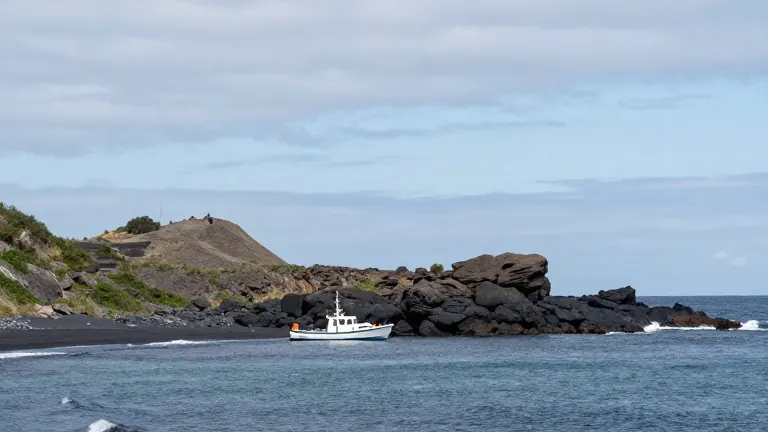
El Hierro is a small island in the Canary Islands archipelago that serves as a primary entry point for travelers arriving from West Africa. Local authorities on the island declared a state of emergency on Saturday and requested assistance from the Spanish government in Madrid.
Alpidio Armas, head of the island's governing council, explained the decision to Spanish television. He stated that the sharp rise in arrivals caused serious concern for local infrastructure. "This is precisely what has led us to declare an emergency in order to ensure a framework of cooperation with higher-level institutions," Armas said.
Local authorities reported that more than 3,300 people arrived on approximately 30 boats since November began. The island has a total resident population of about 11,400. Officials are currently searching for temporary housing for the new arrivals. Armas noted that conditions at the local hospital have become undesirable due to the influx of patients.
Fernando Clavijo, the regional leader of the Canary Islands, described the situation as absolutely unsustainable. He noted on Friday that current numbers are approaching the record highs seen in 2024. On some days, the pace of arrivals exceeded those previous peaks. To manage the crisis, regional officials diverted buses to migration operations and transported medical staff from other islands in the group.
Maritime rescue services recovered 3,261 migrants and refugees off the coast of the Canary Islands during the first six days of November. The Atlantic route from West Africa to these islands remains one of the deadliest migration crossings globally. This week, two people were found dead on a boat heading for the Canaries. Five others are believed to have died during the voyage, according to survivor accounts cited by the AFP news agency.
At least nine migrants or refugees have died off the islands in recent weeks. Arrivals reached a record of more than 46,000 in 2024. Numbers then fell sharply due to tighter surveillance and cooperation with origin and transit countries. Between January and October this year, 13,327 irregular migrants and refugees arrived by sea. This figure represents a 5.5 percent decrease compared to the same period last year, according to Spain’s Ministry of the Interior.
Increased patrols off Senegal, Mauritania, and Morocco have pushed departures further south. Travelers now often leave from The Gambia, Guinea-Bissau, and Guinea, resulting in longer crossings. Senegalese police intercepted 142 migrants, including women and young children, off Dakar on Saturday.