Gibraltar Voters Block 3.5-Mill Safety Tax, Straining Local Budget
The failed millage leaves the city with a funding gap for emergency services, forcing administrators to restructure spending without immediate cuts.
By Ricardo Brooks ·
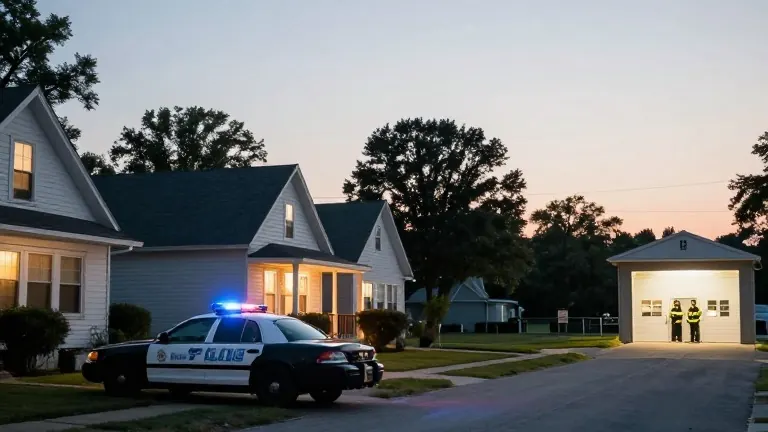
Gibraltar residents have decisively rejected a proposal to raise public safety funding, leaving city officials with a difficult financial puzzle to solve. The vote, held on November 5, 2026, resulted in a 61 percent rejection of the measure, according to unofficial counts. This outcome removes a planned revenue stream that was intended to bolster emergency response capabilities in the small Michigan community.
The defeated proposal called for a five-year tax increase of 3.5 mills. In its first year, this levy would have generated an estimated $672,000. City administrators planned to direct these funds toward specific operational needs, including the purchase of new police vehicles, ambulances, and firefighting equipment. The budget also included provisions for hiring part-time fire staff, a change designed to address current staffing gaps.
City administrator Rachel Witherspoon explained that the current on-call system for firefighters creates delays in response times. Under the existing model, personnel are often located in other communities, working other jobs, or at home rather than stationed at the firehouse. Witherspoon argued that having more staff physically present at the station would shorten response windows and potentially reduce insurance premiums for local residents.
Voters cited rising costs as a primary driver for their rejection. Randy Metzer, who voted against the measure, noted that property taxes increase annually without corresponding improvements in service. Aimee Rodriguez, a supporter of the tax, acknowledged the financial burden on residents, particularly regarding water rates. Despite her support, Rodriguez recognized that the high cost of living in the area made the additional tax difficult to accept.
With the tax failed, the city council must now identify alternative funding sources or reallocate existing budget items. Witherspoon stated that the administration will review the budget to re-prioritize spending in line with voter preferences. She emphasized that the city will not immediately reduce public safety services but acknowledged that the council faces tough decisions as operational costs continue to rise.
The rejection reflects a wider trend of local voters resisting new tax levies, even when those funds target essential services like police and fire protection. Gibraltar's leadership now has the task of balancing limited resources against the need for modernized emergency infrastructure.