IDF details decade-long search for Hadar Goldin's remains
Military officials disclosed the structure of a 10-kilometer tunnel network in Gaza where the soldier's body was kept for over a decade before his return in 2025.
By Olga Menon ·
For families in Israel, the return of a fallen soldier is a moment of closure, but the military process behind that recovery often remains classified for years. On Monday, the Israel Defense Forces released specific operational details regarding the location of Lt. Hadar Goldin’s remains. Goldin was killed in Rafah on August 1, 2014, during Operation Protective Edge. His body was held by Hamas for more than 11 years before being returned to Israel on November 9, 2025, and buried two days later.
The newly disclosed information focuses on the physical infrastructure used to store the remains. The IDF stated that Goldin was held in a tunnel network in southern Rafah that stretches for more than 10 kilometers. This underground system features three distinct levels, with the deepest section located 30 meters below the surface. The route passes beneath a dense residential neighborhood near the Philadelphi Corridor. It also runs under sensitive civilian infrastructure, including a UNRWA compound, mosques, clinics, kindergartens, and schools, according to the military.
During operations in July 2025, forces from the Southern Command and the Shin Bet arrested Hamas operative Marwan al-Hams. Military Intelligence guided the operation, targeting an individual suspected of knowing the burial site in the “Dror Lavan” tunnel. The arrest was part of a series of covert operations conducted over the previous decade. Subsequently, soldiers from the Commando Brigade, the Yahalom combat engineering unit, and the Shayetet 13 naval commando unit uncovered the specific underground route where Goldin was kept in the years prior to his return.
Inside the tunnel network, troops identified approximately 80 rooms. These included command rooms used by senior Hamas commanders to store weapons and plan attacks. The IDF noted that Mohammed Shabana, the commander of the Rafah Brigade, used these spaces to stay for extended periods. The military indicated that the effort to recover Goldin contributed to the defeat of the Rafah Brigade and other achievements in the area.
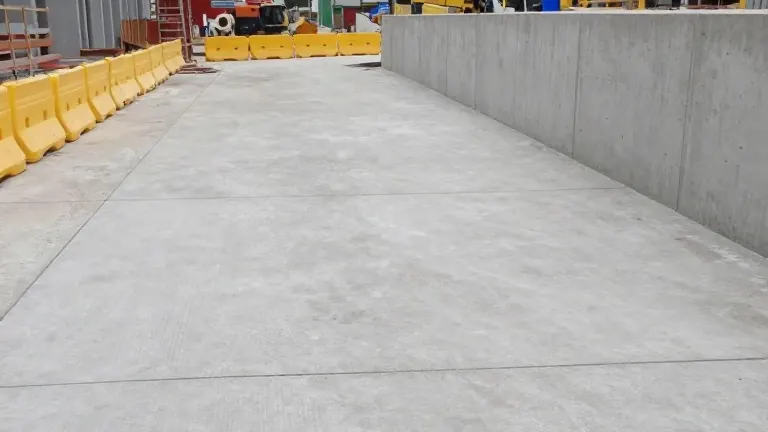
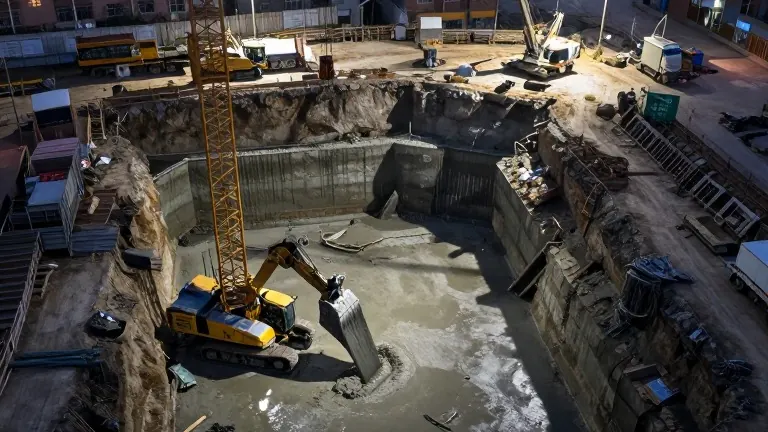
The physical removal of the tunnel network concluded in late June 2026. Yahalom and Shayetet 13 forces sealed the route, which the IDF described as more than 16 kilometers in total length, using over 30,000 cubic meters of concrete. In November 2025, a Nahal Brigade combat team destroyed the specific shaft through which Goldin had been abducted in 2014. The identification process was completed by the National Center of Forensic Medicine in cooperation with the Israel Police and the Military Rabbinate. The military stated that the combined intelligence and ground operations spanned the past decade, intensifying during the current war.
The release of these details marks the first comprehensive public account of the tunnel's dimensions and the specific units involved in its mapping and sealing. The information confirms the scale of the underground infrastructure utilized by Hamas in Rafah. The military did not announce further changes to its operational protocols in the region following the disclosure.