Apple Responds to Folding Phone Demand by Increasing Production
The company has raised its first-year shipment targets significantly following a rush of pre-orders for its new device.
By Natalia Campos ·
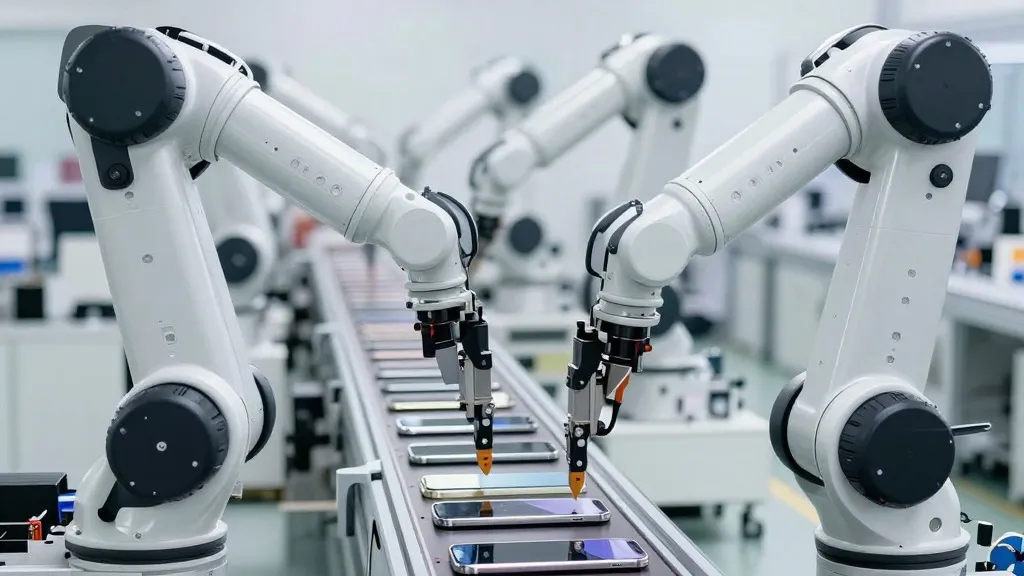
Apple has moved to expand production of its first folding smartphone, the iPhone Duo, following a wave of pre-orders that the company itself described as extraordinary. The decision to increase manufacturing comes amid a sharp rise in demand that caused delivery dates to slip almost immediately after pre-orders opened on Friday. Some customers were initially told they would have to wait until late January to receive the device.
The company has stated that this surge in orders was the reason for the extended shipping estimates. However, Apple frequently uses similar language to describe demand for new iPhone launches. To manage the situation and curb scalping, the company also placed a limit of two units per customer.
Supply chain reports indicate that the company has responded by raising its first-year shipment target for the device from 9.7 million units to 14 million. This significant increase suggests that the company expects the strong demand for the folding phone to continue throughout the next year.
The rise in production capacity appears to be having a direct effect on customer wait times. Some individuals who initially received a later delivery date were subsequently given an earlier estimated shipping date. This shift in delivery schedules is consistent with reports from supply chain sources indicating that Apple has ramped up its manufacturing output.
As customers who pre-ordered the device begin to receive it, they may encounter applications that have not yet been optimized for the new form factor. The company has acknowledged this issue but states that the situation is improving quickly as developers update their software. Early reviews of the product have consistently pointed to app support as one of several key concerns.
Another area of focus has been the device's security features, specifically the decision to use a fingerprint sensor rather than facial recognition. In response to this, reports indicate that the company is already testing prototypes of a second-generation model that would incorporate Face ID.
The current situation reflects a delicate balance for the company as it seeks to meet unprecedented demand for a new product category. While it has managed to increase production targets, the initial rush for the device highlights the challenges of managing supply for a highly anticipated launch. The company will need to continue to navigate app development and security feature requests as it moves forward with its new device.
Source: 9to5Mac