Storm-0940 leverages AI agents to breach thousands of Microsoft 365 tenants via ConnectWise
A China-aligned hacking group used an open-source AI framework to automate a massive supply chain attack, achieving privileged access in some organizations within hours.
By Malcolm Davis ·
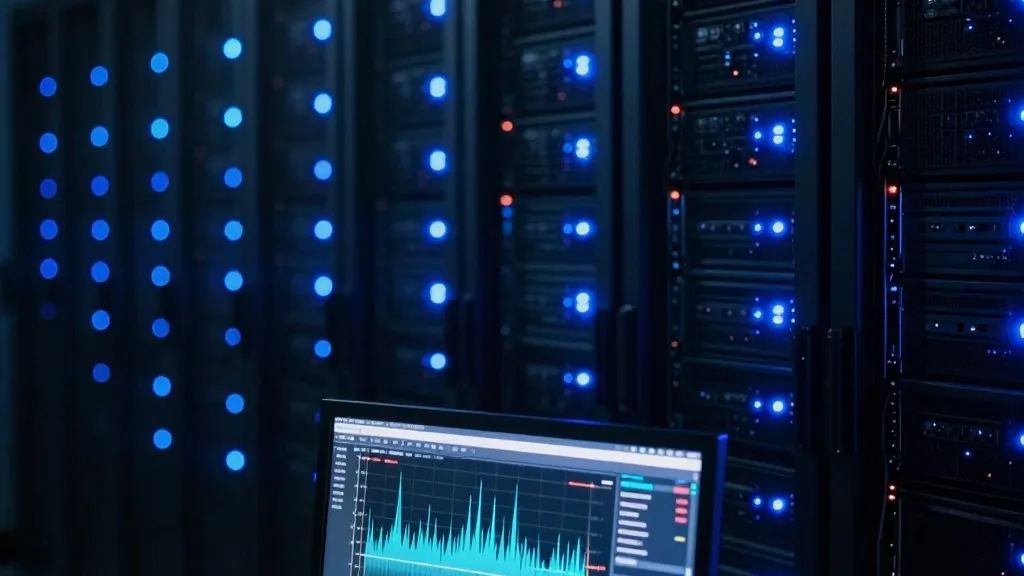
The central tension in this latest cyber incident lies in the speed and autonomy of the attackers. Instead of relying on slow, manual probing, a group known as Storm-0940 deployed artificial intelligence agents to overwhelm defenses. By using ARTEX, an open-source framework that drives penetration testing with large language models, the hackers automated the entire process from scanning to credential abuse. This shift means defenders are no longer just outsmarting human operators, but competing against software that works continuously with minimal human input.
The scale of the operation is staggering. Microsoft’s security team reported that the group attempted sign-ins at more than 2,250 Microsoft 365 tenants. In one intense burst of activity on October 11, the AI agents made 2,900 failed login attempts per minute, totaling over 111,000 failures for that single day. While nearly 98% of these automated password guesses were locked out, the attackers successfully leveraged stolen credentials from ConnectWise cloud applications to gain entry. In some cases, privileged access was secured in less than three hours after the initial targeting began.
Storm-0940, a China-state-aligned actor active since 2021, targeted 14 industries, including aerospace, defense, semiconductor, and government sectors. The attack did not stem from a vulnerability in Microsoft’s own systems but rather from unauthorized access to the multi-tenant ConnectWise application. Once inside, the AI agents performed reconnaissance, modified directory structures, and changed application credentials. Security firm Huntress observed one tenant where an app assigned itself the top administrator role, a behavior that triggered alerts for self-assigned global administrator privileges.
The stakes are high because the attackers used a methodical, scripted approach. Sign-ins occurred from the same IP range in sorted order, just seconds apart, indicating a systematic sweep through a target list. By October 16, unauthorized sign-ins were confirmed for 162 tenants, a number that ballooned to nearly 1,000 by the following day, with over 300 sign-ins succeeding. The use of ARTEX, which can utilize any AI model, has been linked to other recent breaches, including those at South Korean financial institutions where the suspect allegedly used the framework with Anthropic’s Claude Code.
In response, ConnectWise suspended several of its cloud services as a precaution and has begun a phased restoration process, which is expected to take several days. While there are no current indicators that partner backup data was compromised, Microsoft advises customers to keep affected app connections disabled until formal instructions are issued. The developer of ARTEX, known as Autumn-27, has announced that the project will no longer be updated and will become closed source, potentially changing how threat actors in multiple regions conduct their operations going forward.
This incident highlights a new era of supply chain attacks where automation drives the pace. For organizations, the immediate priority is monitoring logs from this month for unusual activity. The ability of AI agents to work around the clock leaves little time for detection and response, forcing a reevaluation of how quickly security teams can react to automated threats.
Source: Tom's Hardware