Washington Floats Orban for UN Top Post Amid Three-Power Backing Rumors
US officials believe a joint endorsement from the US, Russia, and China would secure Orban the necessary Security Council votes, though formal declarations remain absent.
By Olga Menon ·
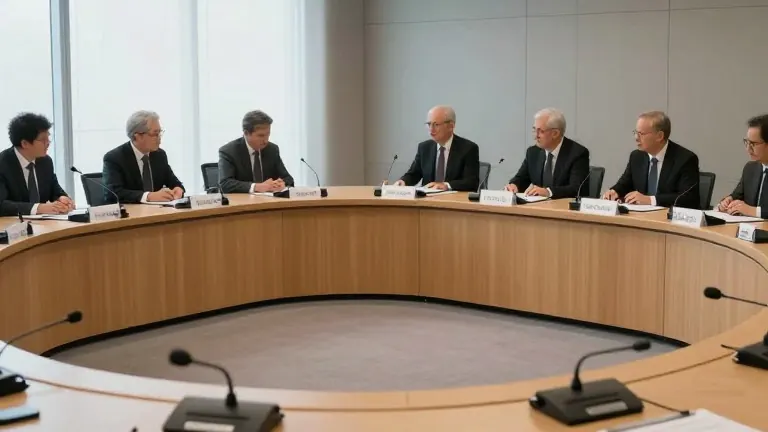
The selection process for the next United Nations secretary-general has taken a new turn as the United States, Russia, and China reportedly converge on former Hungarian prime minister Viktor Orban. This development marks a departure from the current field, which consists primarily of diplomats and technocrats, and introduces a nationalist leader known for his confrontational style within the European Union.
The initiative traces back to internal discussions among US officials who sought a candidate with a specific ideological profile. They described looking for someone like Orban, a view that was reportedly shared by their counterparts in Moscow and Beijing. Following these exchanges, Washington approached Orban directly. While he showed interest, he has not made a final decision, citing reservations about his identity as a nationalist politician and a reluctance to announce a bid without confidence in victory.
A US State Department official estimated that Orban could easily secure support from eight of the Security Council's 15 members, with a potential maximum of ten votes. The official noted that while the idea initially seemed far-fetched, the alignment of the three permanent powers with veto power creates a strong foundation. If Washington, Moscow, and Beijing agree on an outcome, they can generally secure it, a dynamic that leaves the United Kingdom and France as the key variables. Neither London nor Paris has taken an official stance, though the report suggested they might not block a candidate backed by such a majority.
The White House views Orban as a "dream candidate for MAGA conservatives," pointing to his opposition to large-scale immigration and liberal nongovernmental organizations. During his time in office, he clashed with the European Union while strengthening ties with China. President Donald Trump endorsed him in Hungary's April elections, and Vice President JD Vance campaigned on his behalf. Sources indicate both Trump and Vance are expected to support Orban if he runs, with any formal announcement likely to wait until after the US midterm elections.
Critics within the diplomatic community warn that appointing Orban could transform the role into a defender of authoritarian leaders, including Russian President Vladimir Putin. His close ties to Moscow and Beijing, along with his record in Hungary, are expected to face intense scrutiny. A source from another country noted that Orban would bring the approach of a political leader accustomed to wielding power, rather than the quiet diplomacy of the current candidates.
The race continues with Emirati diplomat Lana Nusseibeh, who entered the competition last week and is reportedly gaining momentum. She is scheduled to answer questions on Tuesday, ahead of a Security Council straw poll on Wednesday. This informal vote aims to gauge support as members work toward a consensus. Antonio Guterres's term ends on December 31, and more candidates may still enter the field.
For now, the push for Orban remains based on assessments from cited sources rather than official announcements. No public confirmation exists that the three major powers would formally support his candidacy, and Orban himself has declined to comment on the reports.
Source: The Jerusalem Post