Salvadoran troops suffer first casualties in Haiti explosion
Two El Salvadoran soldiers died and two were injured while handling explosives in Haiti, marking the first fatalities in the country's expanded security mission.
By Olga Menon ·
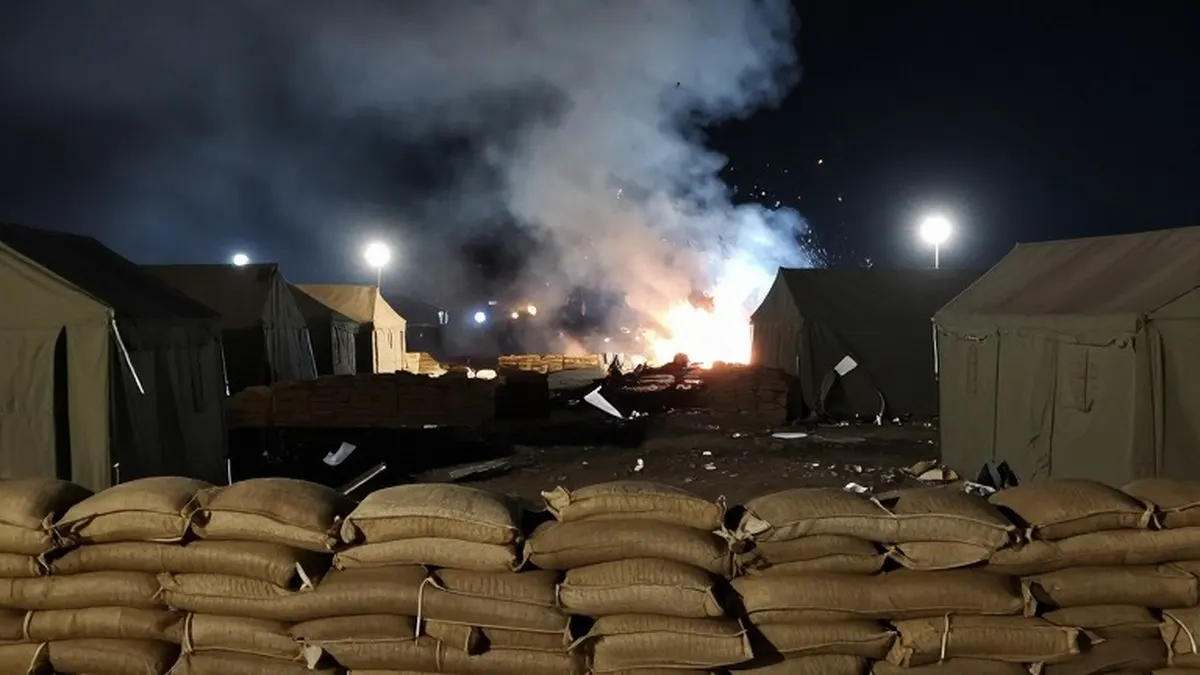
El Salvador’s military announced on Friday that two of its soldiers were killed in Haiti while managing explosive material. The incident marks the first deaths among the approximately 2,500 troops that have been deployed to the Caribbean nation since late October. Two other soldiers were injured in the blast at a military camp and are currently receiving medical treatment. The army confirmed the details in a post on the social media platform X but did not disclose the names of the personnel involved.
The tragedy occurs just over a month after President Nayib Bukele ordered the deployment of forces to Haiti. The initial objective was a rescue mission to locate four aviation technicians who vanished on October 18. They had been working with the United Nations-backed Gang Suppression Force, or GSF, when their vehicle was attacked near the capital, Port-au-Prince. Since then, the scope of the operation has expanded significantly into a broader offensive against local gang networks.
Salvadoran forces are now operating in coordination with Haitian and other international troops. El Salvadorian officials have stated that the troops intend to remain until the four missing technicians are found. Wilson Joseph, the leader of the 400 Mawozo gang, told The Associated Press earlier this month that the men were dead, though he offered no proof to support his claim. The El Salvadorian government continues to maintain that the technicians are alive.
The Haitian government has indicated a desire to extend the deployment period. This sentiment was echoed by public demonstrations earlier this week, where large crowds gathered in Haiti and other locations to show their support for the Salvadoran presence and President Bukele. Despite the visible political backing, the specific terms of the bilateral agreement between the two nations have not been made public.
According to the United Nations, the majority of Salvadoran soldiers are operating independently of the GSF structure. Consequently, they do not fall under the UN’s standard reporting mechanisms for that specific mission. Bukele has actively promoted the intervention through social media, sharing videos of strikes on properties associated with gang leaders. Haitian officials also announced earlier this week that they had reestablished control over the national football stadium.
Despite the reported progress, analysts have raised questions about the long-term sustainability of these gains. They have also expressed concern regarding the potential impact on civilians, citing a lack of transparency concerning the rules of engagement and the monitoring of Salvadoran forces. The political stakes in El Salvador are rising as well, with Bukele officially launching his campaign for a third presidential term on Thursday. National elections are scheduled to take place in February.
The deployment represents a significant shift in El Salvador’s foreign military engagement. While the initial mission was narrowly focused on a rescue effort, it has evolved into a complex military operation that has drawn both praise and scrutiny. The recent loss of life underscores the dangers faced by the troops on the ground as they continue their operations in a volatile security environment.
The incident has highlighted the ongoing challenges of the partnership between the two nations. As the search for the missing technicians continues and the fight against gangs intensifies, the focus remains on the safety of the deployed forces and the broader strategic goals of the intervention. The coming months will likely see increased attention on the outcomes of this mission and its implications for regional stability.
The military has not released further details about the specific circumstances of the explosion or the exact location of the camp where the incident occurred. The families of the fallen soldiers have been notified, and the government is working to determine the next steps for the operation. The event serves as a reminder of the high stakes involved in the ongoing efforts to stabilize Haiti.
With the election season approaching in El Salvador, the mission in Haiti is likely to remain a central topic in political discourse. The public perception of the deployment will play a crucial role in the upcoming campaign, as voters weigh the benefits and costs of the country’s active involvement in the region.
The UN continues to monitor the situation, noting the distinct operational status of the Salvadoran troops. This arrangement complicates the reporting structure but allows for greater flexibility in how the forces are deployed. The coming weeks will be critical in determining whether the current strategy yields the desired results in terms of security and the recovery of the missing personnel.
The loss of the two soldiers has been met with condolences from both governments. The incident is expected to prompt a review of safety protocols and operational procedures for the troops stationed in Haiti. As the mission evolves, the collaboration between El Salvador and Haiti will face continued scrutiny from international observers and local stakeholders alike.