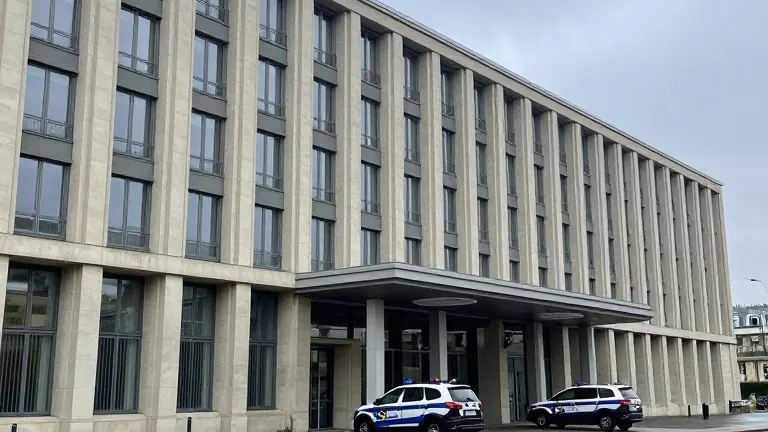
Schaumburg Village Hall Opens Monday After 20-Month Relocation
The $44.2 million facility replaces a 52-year-old structure, with staff moving in this week to prepare for public access.
By Amit Ricci ·
Schaumburg, Illinois, officials have cleared the final hurdles to open the new village hall to the public on Monday. The facility replaces a building that stood on the same site for 52 years before it was demolished in the spring of 2025. After two years of operating from a temporary office, staff members inspected the newly completed structure on Friday. They began preparing the space for its official debut.
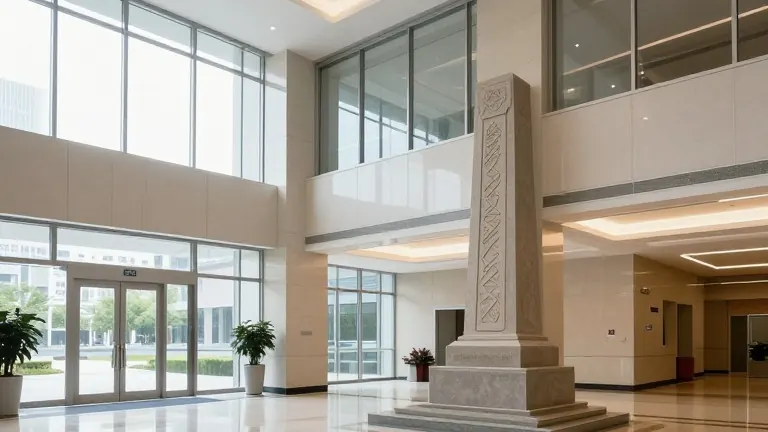
The move ends a long period of displacement for village employees. Sidney Kenyon, the transportation director, had been based in the basement of the old building for the duration of the renovation. He viewed the bright, open lobby on Friday morning. Kenyon said the staff collaborated closely to design the space to meet their operational needs. Matt Frank, the economic development director, joined the planning department in the old basement in 1999. He described the new building as more business-friendly and noted that the lobby creates a welcoming environment for visitors.
The new structure sits on the Robert O. Atcher Municipal Campus. It features a second floor that the previous building lacked. Mayor Tom Dailly toured the interior on Friday, carrying a potted plant from the temporary office. His new office overlooks the municipal pond from a higher vantage point. Dailly said the elevated position allows for a view that better reflects the role of a mayor's office, particularly when meeting with dignitaries from sister cities in Germany and Japan.
Community Development Director Julie Fitzgerald said the new building unites the central location with modern design. She noted that the public spaces are large and indicative of the community's character. The building also houses a decorative Friendship Stone gifted by Schaumburg's sister city in Germany. The stone previously stood at the Schaumburg Convention Center because the old village hall lacked space for it.
Peter Schaak, the village's information technology director, highlighted the upgrade in infrastructure. He said the building eliminates the need to house technology in closets or former lunchrooms. The new design prioritizes connectivity, with systems built at a scale appropriate for modern government operations.
The project cost $44.2 million to construct. An additional $5.8 million was allocated for furniture, fixtures, and equipment. Williams Architects, based in Itasca, received a $1.8 million fee for the design. The temporary office at 1000 E. Woodfield Road will be demolished early next year. That site is reserved for a new police station that is expected to open in late 2028.