Texas AG Sues TV Makers Over ACR Surveillance, Citing 7,200 Screenshots Per Hour
Two states are forcing changes to how smart TVs collect viewing data, while advocates warn the technology lacks federal oversight and is used by law enforcement and advertisers.
By Ricardo Brooks ·
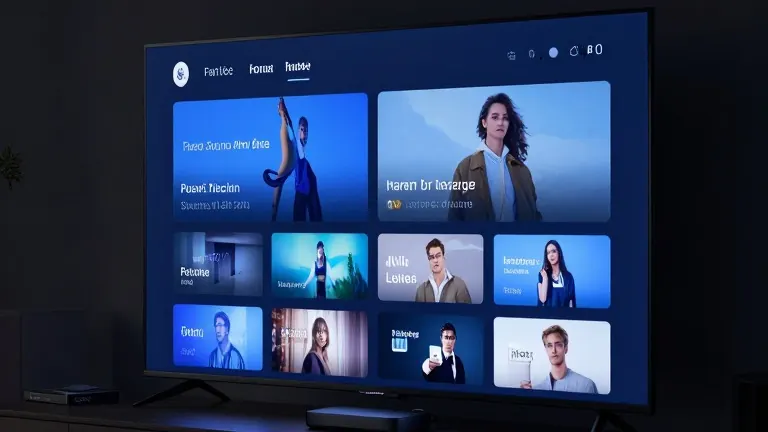
Texas Attorney General Ken Paxton has sued five major television manufacturers over the use of automatic content recognition, or ACR, in smart TVs. The lawsuit, filed in 2025, accuses the companies of operating mass surveillance systems in millions of American homes. The state claims the technology allows TVs to monitor activity across streaming apps, cable, and game consoles.
The Texas complaint states that ACR systems can capture a digital snapshot of the screen every half-second. At that rate, a TV collects roughly 7,200 images of the screen in a single hour. The state alleges the manufacturers use this data to build behavior profiles and sell them for profit.
Samsung has settled the Texas suit. The company agreed to stop collecting ACR data in Texas unless users provide explicit and informed consent. LG reached a separate deal that promises pop-up disclosures about viewing data and easier opt-out methods for Texas residents. Neither company admitted to wrongdoing. Both stated they complied with the law.
The concessions from the Texas settlements do not apply in the other 49 states. In Kentucky, a new requirement begins in July that mandates smart TV companies treat viewing data as sensitive. The state law update specifically names ACR and requires consumer consent before data collection or use.
Eleni Manis, research director at the Surveillance Technology Oversight Project, described smart TVs as traditional displays with built-in computers, operating systems, Wi-Fi cards, and microphones. She said data collection begins when a user first sets up the device. Most users click through initial setup prompts without reading the terms, effectively granting permission to be monitored.
Manis explained that ACR takes samples of what is on the screen and what is heard every few seconds. The TV sends this information to the manufacturer. The system also reports when and where the TV is being watched. She said the data is not just used for show recommendations. Advertisers use it to determine what to sell next.
Chris Stephens, an improv performer in Richmond, Virginia, noted that the recommendations from smart TVs are convenient. However, he said targeted ads make him wonder what the devices assume about him. Anthony Aspero, a theater director in the same city, described the data sale as awful. He said that in modern commerce, consumers are often the product.
Aspero changed his home setup to address privacy concerns. He now uses external streaming devices plugged into a TV that is not connected to the internet. This prevents the TV from accessing the network and collecting data directly. He said he misses buying products that users truly own without terms of service changing after purchase.
There is no standard off button for ACR. The setting name varies by brand. Samsung users on some models look for viewing information services. LG users check live plus or viewing information agreement. Roku and many TCL models use the term smart TV experience, where users must uncheck use information from TV inputs. VIZIO calls the setting viewing data or smart interactivity. Sony includes the option in Samba Interactive TV. Amazon Fire devices list device usage data or collect app usage data.
Manis said law enforcement agencies are among the buyers of this data. She stated that police are currently purchasing data that they would otherwise need a warrant to collect. She supported the proposed Fourth Amendment Is Not for Sale Act, which would block law enforcement from buying data instead of seeking judicial permission. The technology currently lacks a single federal law governing what TV makers can do with viewing data.