Sokolov: State Pressure Ends Novaya Gazeta
Editor Sergei Sokolov cites state pressure and financial constraints as the primary reasons for the shutdown of the country's oldest independent newspaper.
By Ricardo Brooks ·
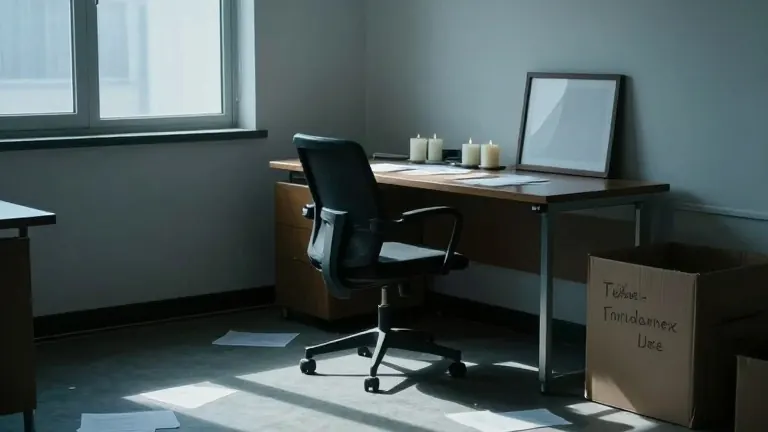
Russia’s oldest independent newspaper, Novaya Gazeta, has ceased operations after more than three decades. The closure marks the end of a prominent voice in domestic journalism that had survived a series of state pressures and wartime censorship measures. Staff members confirmed the shutdown in Moscow, citing the inability to sustain the publication under current legal and financial conditions.
Editor-in-chief Sergei Sokolov announced the decision in a video released last month. He stated that the Russian state had effectively killed the paper by restricting its ability to publish, raise funds, and rent office space. Sokolov noted that reporters now face the risk of prison time for their work, making the daily operations of an independent newsroom increasingly difficult.
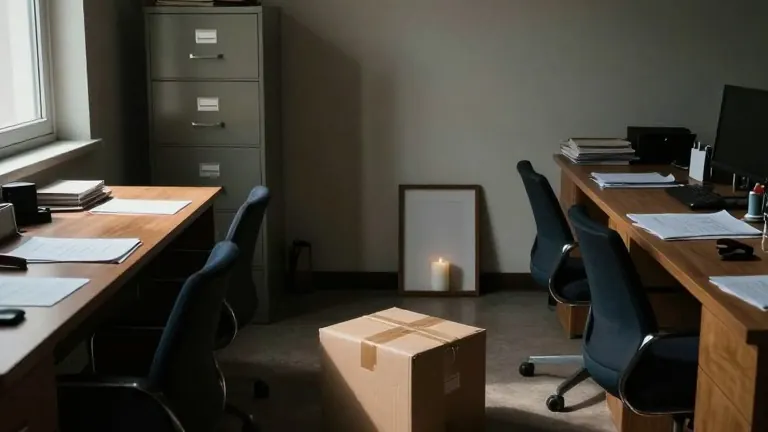
The publication was founded in the early 1990s and gained international recognition for its defense of democratic ideals and its criticism of the government. Six journalists associated with the paper have been killed on the job, including investigative reporter Anna Politkovskaya in 2006. On Monday, staff removed portraits of these slain colleagues from an office memorial wall. They placed the images into a box labeled 'ours - keep with care' before packing their desks and chairs.
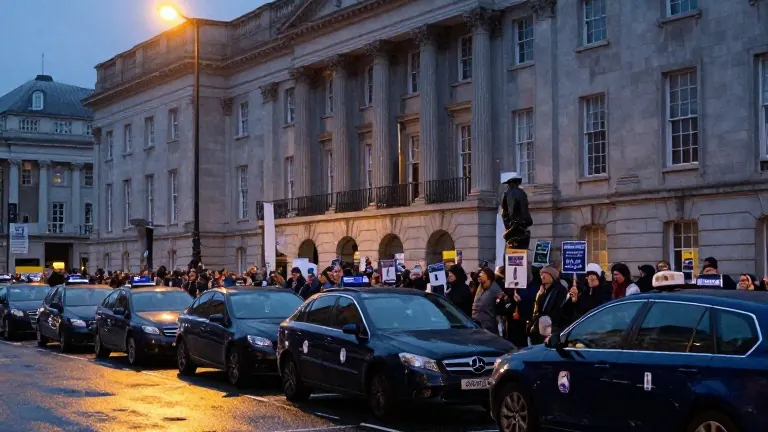
Cofounder Dmitry Muratov, who received the 2021 Nobel Peace Prize for the paper's defense of press freedoms, addressed journalists outside the office on Monday. He described repressions in Russia as sweeping in nature, claiming that security services now effectively run the country. Muratov noted that Russia's full-scale invasion of Ukraine led to the creation of a web of censorship laws that forced most independent media to close or move into exile.
Novaya Gazeta remained one of the few independent outlets continuing to operate inside Russia. Journalist Tatiana Britskaya acknowledged that operating within the country meant working within certain limits. She argued that covering war involved more than battlefield events, including the situations of refugees, political prisoners, and citizens who opposed the invasion but remained in Russia.
Despite the staff's assessment, Kremlin spokesman Dmitry Peskov rejected claims that the government played a direct role in the newspaper's demise. He described the closure as a standard, rational process driven by market competition and media churn. This explanation was met with skepticism by Novaya Gazeta staffers, who pointed to police raids and the designation of all employees as foreign agents as evidence of targeted pressure.
Andrei Kolesnikov, a columnist for the paper, described the closure as a slow strangulation of civil society. He stated that there is no job for independent journalists in the current totalitarian regime. Muratov remained at work on the final day, holding pictures of Russian political prisoners and calling for an end to bombings of Ukrainian cities.
Colleagues revealed a modified version of the newspaper's old office nameplate during a gathering of Russian and foreign journalists. The sign now reads 'Novaya Gazeta lived here.' This final display served as a marker for the end of the physical newsroom while the staff prepares to continue their reporting through other channels.