Dublin meeting planned after Russia and Ukraine agree in principle to prisoner swap
U.S. envoys plan to meet Vladimir Putin in Moscow and Volodymyr Zelenskyy in Dublin after talks produced a prisoner exchange agreement but no major advance toward peace.
By Xiaoyu Wang ·
Russia and Ukraine agreed in principle to a large prisoner exchange on Wednesday, November 11, as two days of U.S.-mediated negotiations in Abu Dhabi ended without a major breakthrough toward ending the war. The delegations met for the first time in nine months, with expectations limited by deep differences over the terms of a peace settlement.
Jared Kushner, U.S. President Donald Trump’s son-in-law, said the number of prisoners involved would be finalized Thursday. Russian delegation leader Vladimir Medinsky and his Ukrainian counterpart, Rustem Umerov, confirmed the proposed exchange, although Medinsky stressed that the agreement remained preliminary. Russian military official Alexander Zorin said it could happen within two or three weeks and would rank among the largest swaps since each country recovered 1,000 soldiers last year.
Kushner said he and U.S. envoy Steve Witkoff would travel to Moscow on Thursday for discussions with President Vladimir Putin before flying to Dublin to meet Ukrainian President Volodymyr Zelenskyy. Speaking in Dublin, Zelenskyy cautiously welcomed the proposed prisoner release but maintained that Ukraine would not surrender territory occupied by Russia as the price of peace.
The talks lasted nearly two hours Wednesday, following a four-hour session Tuesday. Medinsky said the discussions had brought the countries closer to peace, while Kremlin foreign affairs adviser Yuri Ushakov called them useful. Nevertheless, major obstacles remained, including the future of occupied Ukrainian territory, security guarantees for both countries and Europe’s role in any agreement.
European participation was a particular point of contention. Representatives of European governments, the European Union and NATO were in Abu Dhabi but did not join the negotiations. Umerov said Ukraine’s delegation expected to meet them later Wednesday. Kushner said securing a European role would be one objective of the Moscow visit. Zelenskyy welcomed their presence and said Washington appeared increasingly receptive to their involvement.
Russia has resisted including European countries in direct negotiations, criticizing their financial and military assistance to Ukraine. Kremlin spokesman Dmitry Peskov said European representatives might eventually participate, but questioned whether their current positions would advance peace. Kushner said European governments, the EU and NATO needed to help shape postwar security arrangements. Ukraine wants protection against another Russian invasion, while EU officials say discussions about Europe’s security framework must follow a ceasefire.
The diplomatic effort comes amid changed political and economic conditions since the previous meeting in Geneva in February. Democrats are due to take control of the U.S. Congress in January following the midterm elections and could press for greater support for Ukraine. Russia’s wartime economy faces heavy pressure, while attacks on Ukraine’s electricity network have caused severe damage. Fighting continues, although little territory has changed hands this year.
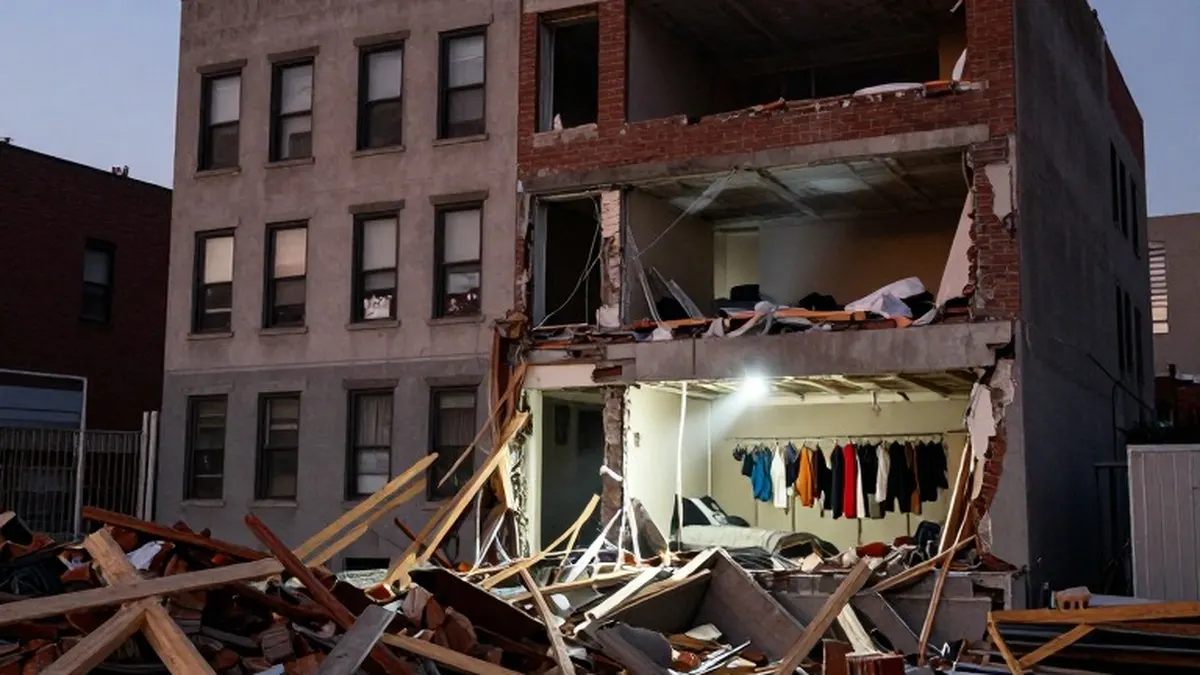
Local authorities said a Russian daytime strike on a market in the southern Odesa region killed three people and injured 11. Regional military administration head Oleh Kiper said residential buildings were also damaged. Ukrainian officials reported that overnight attacks on the Zaporizhzhia region and Kharkiv wounded seven civilians and damaged property.
Russia’s Defense Ministry said its forces intercepted 627 Ukrainian drones overnight, including 150 over the region surrounding St. Petersburg. Regional Governor Alexander Drozdenko said drones caused a fire at Ust-Luga, a major Russian oil export port, and injured three workers. The continuing attacks underscored the conflict facing negotiators as Washington seeks to revive peace efforts that have yielded few significant results.