West Bank fuel chain faces billion shekel claim in smuggling probe
A leaked report alleges that Al-Huda Group owes over 1 billion shekels to the Palestinian Authority due to fuel smuggling and tax evasion.
By Ricardo Brooks ·
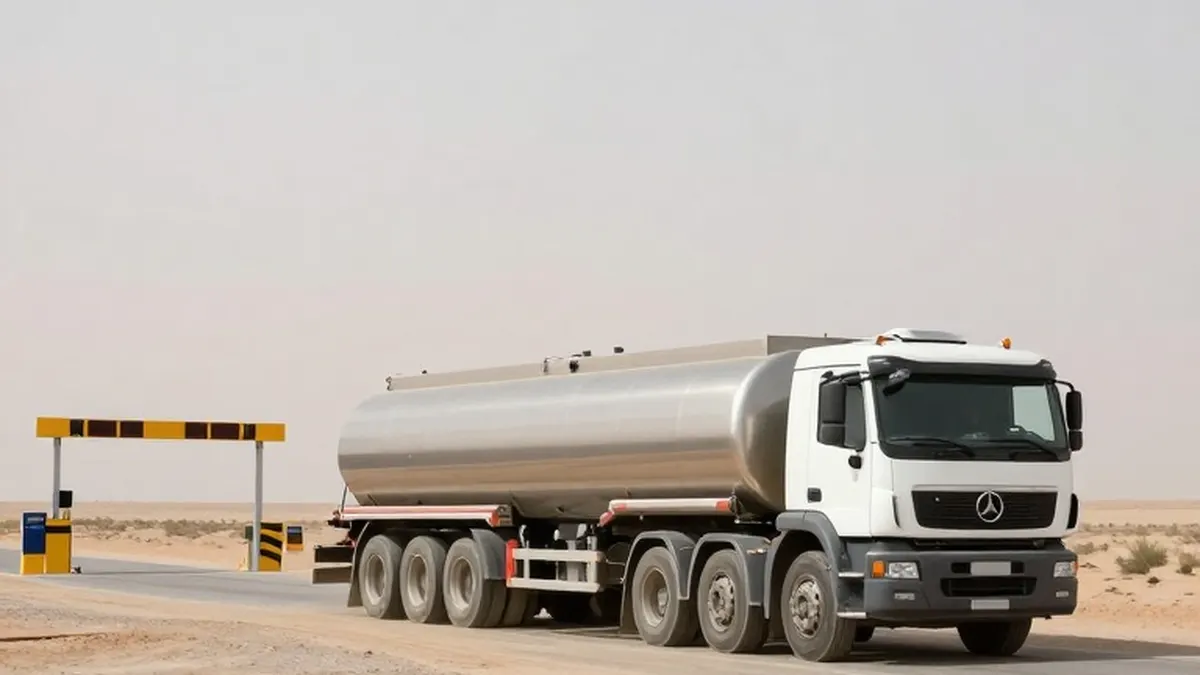
A major petrol station chain in the West Bank is facing financial claims exceeding 1 billion shekels, roughly 325 million US dollars, following a probe into alleged fuel smuggling and tax evasion. A leaked report, obtained by Middle East Eye, details accusations against Al-Huda Group, a business empire controlled by Tarek al-Natsheh, one of the territory's wealthiest businessmen. The investigation has intensified amid worsening fuel shortages in the occupied Palestinian territory.
The probe led to the arrest of Tarek al-Natsheh, chairman of Al-Huda Group, who has been in detention for several weeks. Security forces raided the company's offices, confiscating computers and financial records. Defense lawyers state that Natsheh denies wrongdoing and is prepared to pay any legally owed taxes. They argue that his detention is being used as pressure to accept financial figures that have not yet been verified.
The audit committee, appointed by Palestinian Authority Finance Minister Estephan Anton Salameh in July after a tanker was seized in Jericho, calculated the debt based on records dating back to 2020. The report calls for the payment of approximately 712 million shekels in VAT, fuel duty, and other taxes, plus another 290 million shekels for shipments where the exact amount of smuggled fuel could not be established. This total does not include potential interest or fines.
The committee noted that seized files included delivery notes from the General Petroleum Authority that did not match official records. The driver of the seized tanker admitted to previous smuggling deliveries arranged under the direction of Mazen al-Natsheh, Tarek's brother and the group's general manager. Mazen initially denied involvement but later acknowledged organizing some deliveries to address severe fuel shortages, using a Palestinian with Israeli identification documents.
Malek al-Awri, the legal advisor for the defense, told Middle East Eye that the 1 billion shekel figure is not an official claim or settled debt. He stated that the defense team has not received the full report or the specific legal and accounting grounds for the calculation. The team maintains that the case remains under investigation and that they have substantial objections to the data presented.
Awri emphasized that personal liberty should not be used as leverage to compel acceptance of unverified figures. He noted that assets already seized from the company are sufficient to cover any claims proven valid through judicial proceedings. The defense team expressed respect for the judiciary and the finance ministry while affirming their commitment to uncovering the financial truth.
The investigation has coincided with acute fuel shortages in the West Bank, attributed to tighter Israeli economic restrictions and a deteriorating security situation. Hani al-Masri, a political analyst, explained that smuggling is common because Israel exports less fuel than the territory requires. He suggested the current dispute centers on who benefits from these operations and how they are organized.
Some reports link the Palestinian Authority's crackdown to its own financial difficulties, exacerbated by the withholding of customs revenues by Israeli Finance Minister Bezalel Smotrich. In October, President Mahmoud Abbas signed a decree to create a new national petroleum company to oversee fuel imports and sales. Defense lawyer Jawad Obeidat rejected speculation of political interference, stating that the public prosecution is acting with transparency.
Tarek al-Natsheh handed himself in in September after a warrant was issued in July. His detention was extended in October. The report cites a close financial relationship between Natsheh and the fuel group as part of the basis for the accusations. The case remains a focal point of discussion regarding the management of public funds and the control of essential resources in the West Bank.