Record Month for Gulf Tanker Strikes
New data shows October 2026 is the most damaging period for commercial shipping in the Strait of Hormuz since tracking began in 2017.
By Ricardo Brooks ·
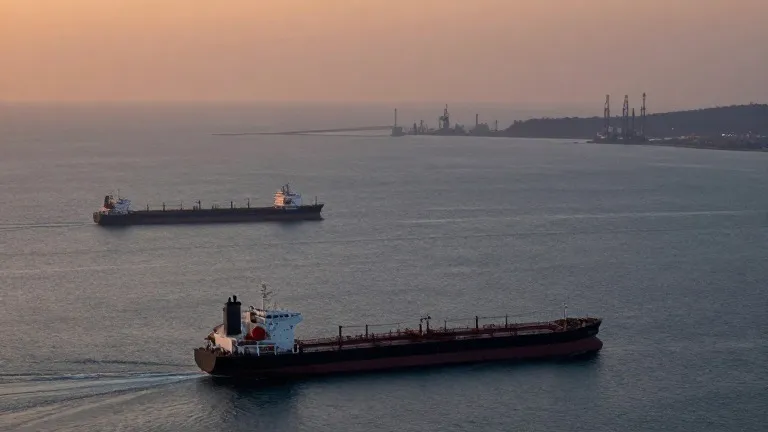
Global supply chains face mounting pressure as maritime security in the Persian Gulf deteriorates. The month of October 2026 has become the most destructive period on record for commercial vessels operating in the Strait of Hormuz and adjacent waters, according to data from a Washington-based think tank that has monitored global incidents since 2017.
The spike in activity follows specific strikes on major vessels earlier this week. The Iranian Revolutionary Guard Corps announced that two supertankers hit naval mines while attempting to traverse an unauthorized route south of the strait. Separately, UK Maritime Trade Operations confirmed that a tanker was struck by an unidentified projectile seven nautical miles from the Omani coast. These events contribute to a monthly tally that now exceeds previous historical highs for the region.
Land-based military operations have intensified in parallel with the naval threats. The Saudi-led coalition reported intercepting and destroying a ballistic missile and a drone targeting Saudi territory on 24 October. The Saudi Directorate of Civil Defence issued temporary alerts to residents in Riyadh, Najran, and Wadi al-Dawasir, though it later confirmed the immediate danger had passed in those locations.
Political rhetoric between the major powers has grown sharper, potentially complicating trade confidence. US President Donald Trump stated in Florida that Washington might launch a new military operation against Iran. In response, Major General Abdollahi, the head of Iran's armed forces, declared that the country would not allow "rusting US warships" to re-enter the Persian Gulf. Iranian adviser Mohammed Mokhber characterized the war threats from the US and Israel as signs of desperation.
Diplomatic efforts continue alongside the military tensions. Iranian President Masoud Pezeshkian is scheduled to visit Moscow next week to meet with President Vladimir Putin and attend the Gas Exporting Countries Forum summit on 27 October. In London, Foreign Secretary Ed Miliband stated that Britain is increasing its push for diplomatic solutions, noting the conflict is driving up costs for families in the UK.
Regional instability also affects land borders and internal politics. In the West Bank, Israeli forces expelled residents of Hebron on foot and demolished buildings near the site of a recent soldier death. In Syria, protests erupted following an Israeli incursion that killed a man with a disability. Meanwhile, Turkish Foreign Minister Hakan Fidan indicated that an announcement regarding the reunification of Libya's rival administrations is imminent.
Financial markets in Israel are bracing for external pressures. Prime Minister Benjamin Netanyahu suggested the country may face international banking sanctions and proposed cryptocurrency as a potential workaround. These remarks occurred four days before the Knesset election, adding a layer of economic uncertainty to the political calendar.
Source: Middle East Eye
More Business · World news · Rip-Off Report · Report a business