Polish Defence Ministry Confirms Awareness of Russian Border Sabotage Plot
Poland is expanding military protections for critical infrastructure after confirming intelligence of a planned Russian sabotage operation near the Kaliningrad border.
By Olga Menon ·
Polish Minister of National Defence Władysław Kosiniak-Kamysz has addressed recent media reports regarding a planned sabotage operation by Russian intelligence services. The alleged plan involved carrying out an attack on Polish territory near the border with Russia's Kaliningrad Oblast in late October and early November. The objective of the operation was to create an incident that could subsequently be blamed on Ukraine.
According to information cited by European Pravda from the Polish radio station RMF24, the Polish intelligence services had prior knowledge of these plans. Kosiniak-Kamysz emphasized that the security apparatus was aware of the threat and had taken appropriate measures to counter it before the operation could be fully executed.
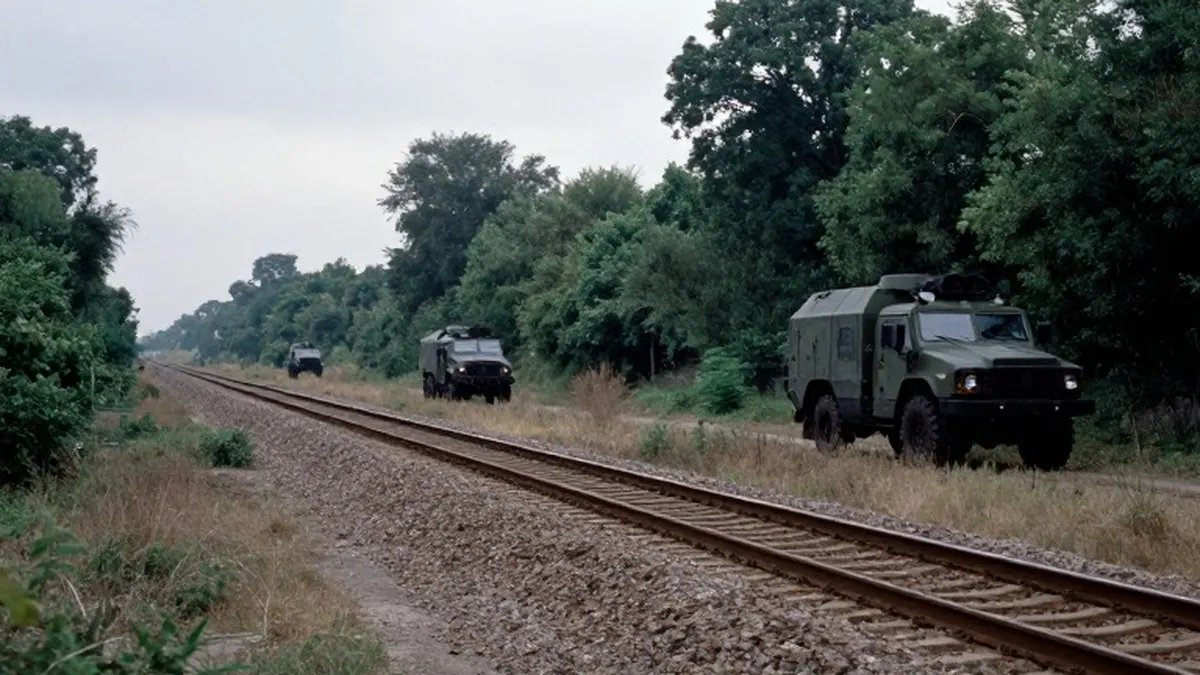
In response to the heightened threat level, the Defence Minister announced that a formal request would be submitted to the Prime Minister on this day. Following the Prime Minister's approval, the request will be forwarded to the President. The goal is to extend Operation Horizon, an initiative designed to protect critical infrastructure, and to deploy armed forces specifically to safeguard the country's railway network.
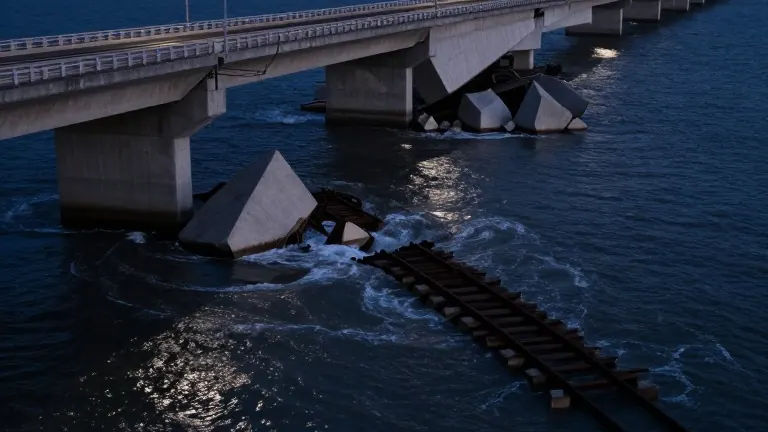
Kosiniak-Kamysz expressed the view that Russia is intensifying its efforts to undermine the security of European nations. He highlighted a variety of activities that contribute to this trend, including repeated violations of airspace and attempts to destroy trains. The minister also pointed to arson attacks, physical sabotage against arms factories, and increased cyber activity as part of a broader strategy to destabilize the region.
This development follows a series of precautionary measures taken by Polish authorities in recent weeks. In early November, the Polish police, working in coordination with the armed forces, the border guard service, and the security service, established a special operations headquarters. This unit was created to manage a preventive security mission in the Warmian-Masurian and Podlaskie voivodeships, regions that border the Kaliningrad Oblast. The headquarters was tasked with preparing for possible sabotage attempts along this sensitive border.
The current security posture reflects earlier warnings issued by the government. On November 3, Polish Prime Minister Donald Tusk stated that suspicious activity had been observed overnight on the Russian-Polish border. These observations led to the increased deployment of security resources and the establishment of the specialized command structure mentioned above. The government is now looking to formalize the protection of key transport links through the extended Operation Horizon mandate.
The focus on railway infrastructure is particularly significant given the strategic importance of rail transport for both military logistics and civilian travel in the region. By deploying armed forces to these sites, Poland aims to provide a visible and robust deterrent against potential sabotage. The extension of Operation Horizon signals a long-term commitment to securing critical assets in the face of ongoing Russian activities.
The Polish government continues to monitor the situation closely as it navigates the complex security landscape on its eastern frontier. The coordination between various security agencies, including the police, military, and intelligence services, remains central to the strategy. Officials are working to ensure that the public and key stakeholders are informed about the measures being taken to maintain stability and security in the border regions.
As the request for the extension of Operation Horizon moves through the executive branch, it is expected to provide the legal and operational framework for the continued deployment of forces. The Defence Ministry remains focused on protecting critical infrastructure while maintaining vigilance against the range of threats identified by Kosiniak-Kamysz. The situation underscores the ongoing efforts by Poland and its allies to secure their borders in a period of heightened geopolitical tension.