Huckabee links Zionism to biblical history and archaeology at Jerusalem convention
Receiving an award at the Zionist Leadership Fund's annual convention, the U.S. ambassador to Israel described biblical accounts and archaeological discoveries as foundations for Zionism.
By Ricardo Brooks ·
United States Ambassador to Israel Mike Huckabee linked Zionism to the Bible, the history of the land of Israel and Jewish continuity during a speech in Jerusalem on Tuesday, November 10. He delivered the remarks while receiving an award at the annual convention of the Zionist Leadership Fund.
The gathering took place at the National Campus for the Archaeology of Israel. Its stated theme was bringing the Zionist spirit back into Israel's influencer spaces. Huckabee made the setting a central part of his address, presenting the archaeological campus as a place that supported his account of Zionism's historical and religious roots.
He said few locations could serve as a more appropriate testament to that connection. In his description, Zionism was more than a mythological idea: it was grounded in biblical history, the history of the land and the continued presence of the Jewish people. He tied those elements together as the basis for the understanding of Zionism he outlined to the convention.
Huckabee asserted that Jewish people had lived in the land without interruption for 3,800 years, dating that presence to what he described as God's decree that it would be their homeland. He characterized the connection as an enduring divine commitment, calling it an "unbroken promise made by God" and saying evidence of that promise could be seen every day.
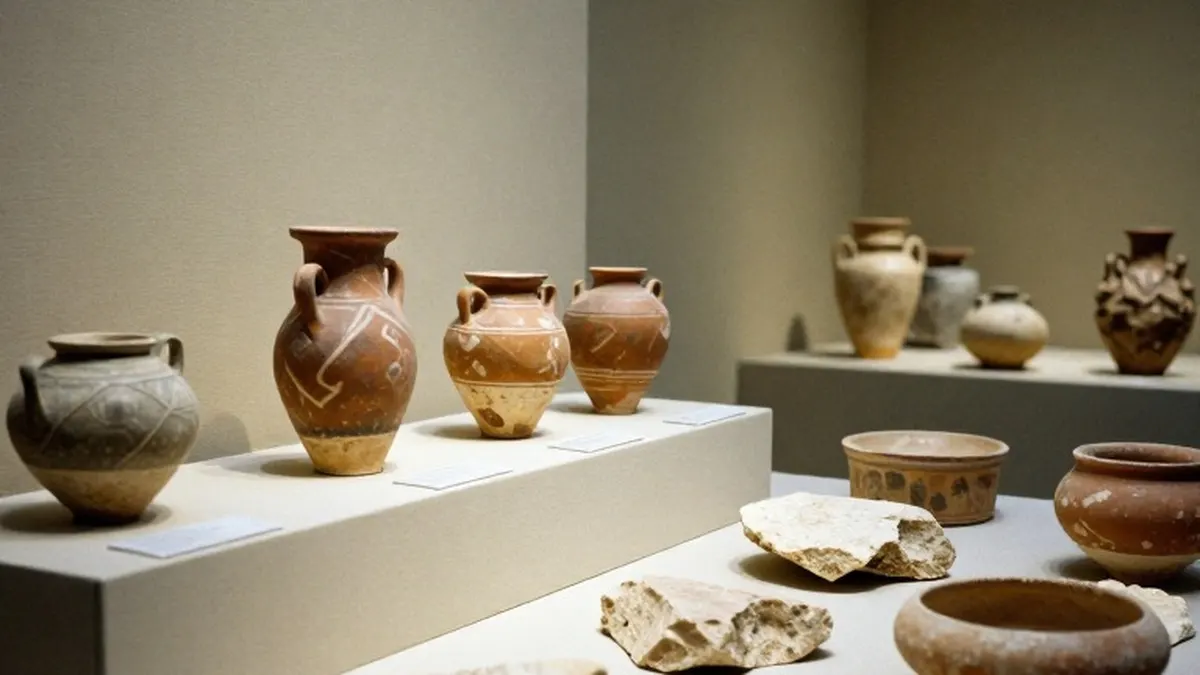
Turning to archaeology, the ambassador argued that discoveries reinforced the historical reality underlying Zionism. He described the convention venue itself as validation of that view. According to Huckabee, the foremost significance of each new archaeological discovery was that it confirmed the truth of the scriptures, directly connecting his interpretation of material discoveries with his reading of the Bible.
He also singled out the historical importance of the region he referred to as Judea and Samaria. Speaking of a road there, he described it as the route followed by biblical patriarchs, prophets and kings, linking the landscape to the figures named in those accounts.
Huckabee said that connection served as a reminder that biblical narratives concerned actual individuals. He presented those accounts as a historical record of named people who had lived through the events described, rather than as invented stories.