Michigan proposes banning five invasive plants in new regulatory draft
The state agriculture department seeks to restrict round leaf bittersweet and water-primrose species, with a public comment period closing December 18, 2026.
By Amit Ricci ·
The Michigan Department of Agriculture and Rural Development released a draft proposal on November 12 that would add five non-native plants to the state’s legally regulated invasive species list. The agency seeks public input on the measure through December 18, 2026.
The proposal targets round leaf bittersweet, common butterbur, lesser celandine, and two types of water-primrose. Each species is cited for its impact on the state’s environment, economy, or public health. The department intends to use the list to control the spread of these organisms across Michigan.
Round leaf bittersweet is a woody vine native to Japan and eastern Asia. It currently exists in seven U.S. states. The plant can reach lengths of 60 feet and produces yellow-green flowers. Its bright orange fruits attract birds, which consume the seeds and deposit them elsewhere. The department notes the vine grows rapidly, often covering tree canopies and inhibiting the growth of native trees.
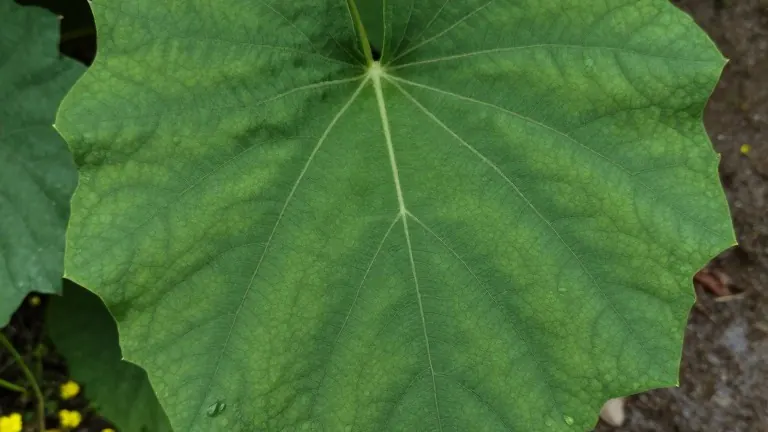
Common butterbur, native to Europe and Asia, is found in at least 10 states. It grows up to two feet tall with leaves that measure two feet in diameter. The plant spreads through rhizomes, root fragments, and wind-borne seeds. Its large leaves shade out competing vegetation, and it produces a toxin harmful to humans and animals. The agency identifies human activity, including plant swaps on online marketplaces, as a primary vector for its spread.
Lesser celandine, also known as fig buttercup, has been cultivated in the United States for more than 100 years. It reproduces through bulbils and tubers that can become dislodged underground. The plant is identifiable by its glossy yellow flowers. The department states it reduces biodiversity and creates erosion risks. It also releases mildly toxic chemicals into the soil.
Creeping water-primrose is native to Central America and is already considered invasive in Washington, Oregon, New York, and Georgia. It features yellow five-petaled flowers and stems that can reach 24 meters in length. The plant forms dense mats that clog waterways. Its fruit contains dozens of seeds that spread through fragments and animal transport. It also releases compounds that inhibit the growth of other aquatic plants.
Large flowered water-primrose is similar to the creeping variety but possesses more elongated petals and smooth leaves. Its fruit capsules contain 40 to 50 seeds. The species is established in 22 U.S. states and is a known problem in Europe. The department reports that the plant is not yet established in Michigan.
If adopted, the order would make it illegal to introduce, import, transplant, sell, or intentionally possess the targeted species in Michigan. The proposal calls for a full ban on both water-primrose species. It seeks to restrict round leaf bittersweet, common butterbur, and lesser celandine. Property owners who already have the plants would not be in violation of the order.
The public may submit feedback via an online survey available until 11:59 p.m. on December 18. The department uses this process to gather data before finalizing the regulatory changes.