Cumin sodas surge as Indian brands challenge cola dominance
Homegrown cumin-flavoured fizzy drinks are eroding the market share of global cola giants in India, driven by a consumer shift toward local tastes and mass-market pricing.
By Ricardo Brooks ·
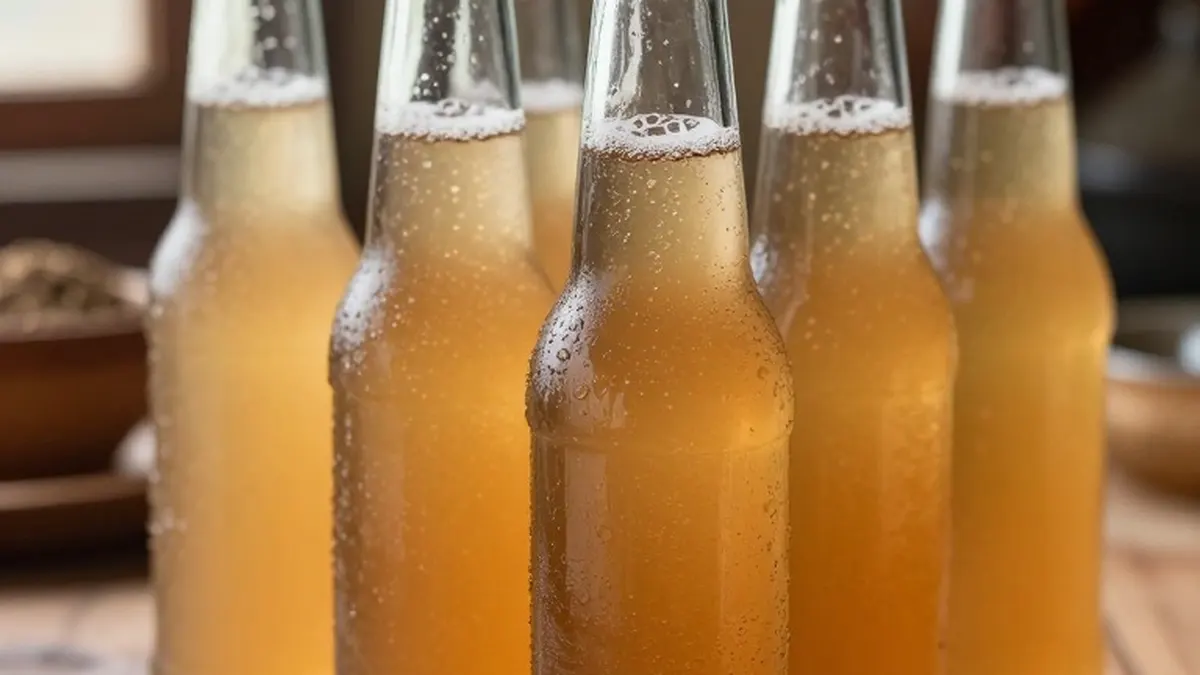
A casual kitchen experiment among three cousins in Punjab has evolved into a major force in the Indian beverage industry. Saurabh Munjal, Nikhil Doda, and Saurabh Bhutna originally created a tangy cumin soda from pantry staples after a dinner in their home. They were so pleased with the earthy, piquant result that they decided to pursue commercial sales.
The trio convinced their families to provide capital and launched the brand Lahori Zeera in 2017. The name references Zeera, the Hindi word for cumin. While cumin sodas have long been available at street stalls in India, the market was fragmented with few established carbonated beverage brands. Nearly a decade later, the drink has become a significant sensation, challenging the entrenched position of global cola giants.
Lahori Zeera is targeting the critical mass-market segment, specifically the ten-rupee beverage category. The company is expected to close the current year with revenues between 115 million and 120 million dollars. Analysts attribute this growth to a rising consumer preference for distinctly Indian flavours and beverages perceived as healthier alternatives to traditional colas.
Lahori Zeera is part of a broader trend, with several other cumin-flavoured brands emerging across the country over the past decade. Competitors include Jeeru from Mumbai-based Xotik Frujus and Campa Jeera from the Campa Cola company, which is owned by billionaire Mukesh Ambani. At least half a dozen other regional variants also exist, such as Fizz Jeera Masala from House of Bindu.
Megha Shankar, a director at House of Bindu, noted that their cumin soda, launched nearly 25 years ago, had flat sales until recently. She stated that the product is now the fastest-growing category among carbonated beverages for the company. Its contribution to revenues has doubled from 20% to 40% in the last five years, prompting the firm to expand its footprint beyond its traditional southern India base.
Other established players have also moved into the space. Parle Agro, one of India's oldest consumer brands, launched its cumin soda Dhishoom nationally last year after selling it exclusively in rural markets since 2012. Online orders for these fizzy drinks increased by 900% this summer, according to a report from an Indian online delivery company.
This shift is reshaping the non-alcoholic beverages market, which was valued at 32 billion dollars in 2024 and is projected to double by 2033. A report from Kotak Mutual Fund indicated that these ethnic beverage brands collectively doubled their share of the carbonated soft-drink market to around 15% by September of last year. In contrast, the combined market share of Coca-Cola and PepsiCo fell from roughly 93% to 85%.
The Kotak report described the situation as a structural disruption, comparing it to the impact of Jio Telecom on the mobile data market. Saurabh Munjal, CEO of Archian Foods, said his company has consistently sold out its inventory. The firm doubled its production capacity to 1.2 million bottles per day last year but still struggles to meet demand.
For decades, global colas dominated India by marketing themselves as aspirational lifestyle products. Homegrown brands are now challenging this model with smart distribution, attractive pricing, and nostalgic flavours like raw mango and tamarind. Munjal aims to change the tendency to either westernise Indian products or Indianise western ones, using the tagline 'apna desi thanda', which means India's own cold drink.
Despite the success, analysts warn that sustaining growth will be difficult. Rajiv Agarwal, a professor at SP Jain Institute of Management, noted that the cumin market may not reach the scale of colas. The low price point drives sales but leaves thin margins, which could be squeezed by rising costs for plastic and sugar. Larger competitors like Coca-Cola, which acquired the Rimzim brand in the 1990s, are also strengthening their position in this category.
Munjal remains optimistic about the future, stating that Indian flavours need a global spotlight. He hopes that while previous generations drank colas from around the world, the next generation will drink the zeeras of India.