Great Power Summit: Trump, Xi, and Putin Meet in Shenzhen
The three leaders agreed to cooperate on nuclear risks and oil supply but issued a brief joint statement that omitted the wars in Ukraine and Iran.
By Olga Menon ·
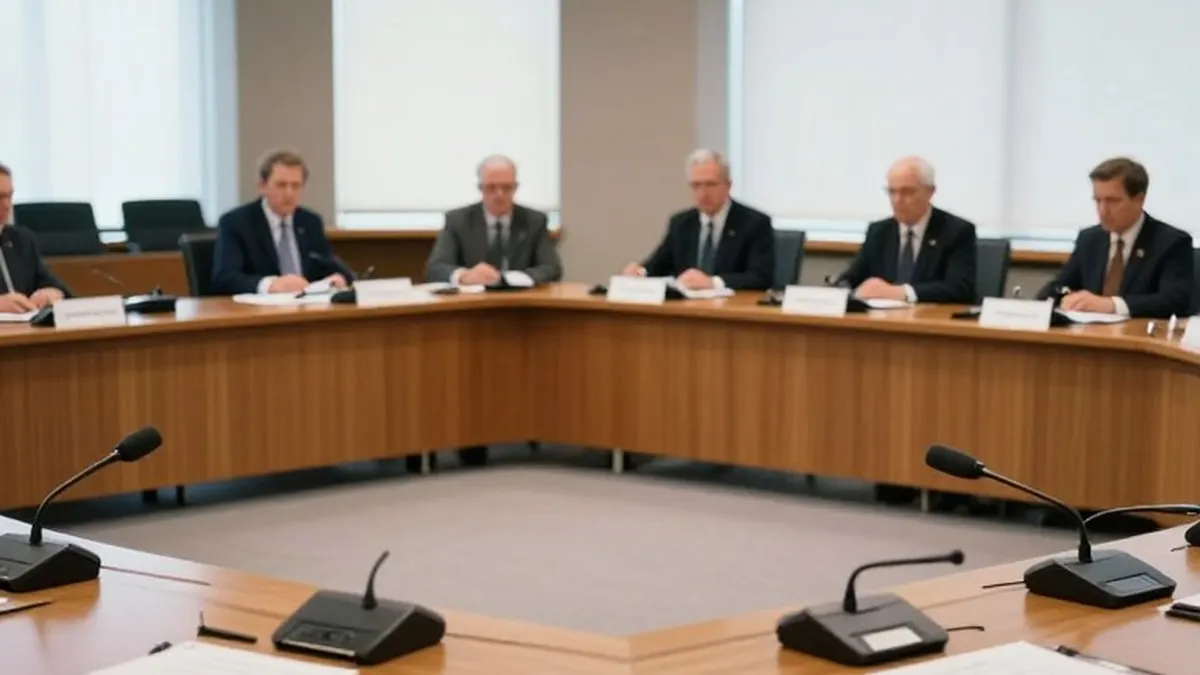
U.S. President Donald Trump, Chinese leader Xi Jinping, and Russian President Vladimir Putin concluded their first trilateral talks on Thursday at a villa in Shenzhen, China. The session ended with agreements on United Nations reforms and a commitment to increase fuel supplies to global markets, though the leaders did not announce any major policy shifts.
The joint statement released after the meeting was brief. It did not mention the ongoing conflicts in Ukraine or Iran, despite Trump stating that he raised both issues during separate one-on-one sessions with the other leaders earlier in the day. The group did not take questions from the press, and their remarks at the start of the gathering were short.
Nuclear arms control was a central theme of the discussions. The New START treaty, the last arms pact between Russia and the United States, expired in February of this year. Trump has expressed a desire for a new agreement that includes China. However, China maintains a smaller arsenal of more than 600 warheads compared to the more than 5,000 believed to be in the U.S. and Russian stockpiles, which may reduce Beijing's motivation to accept strict limits.
"We are really making history," Trump said during the meeting. He noted that the three nations are uniquely positioned to reduce the number of nuclear weapons on Earth and lessen the risk of their use. Xi Jinping described the meeting as positive, constructive, and fruitful, while Putin characterized the talks as open and candid.
Daryl Kimball, executive director of the Arms Control Association, suggested that the summit could start a process leading to sustained talks on reducing nuclear arsenals. "We need more than diplomatic theater and photo opportunities between Xi, Putin and Trump," Kimball said. He added that one meeting is unlikely to produce dramatic breakthroughs.
Trade and energy were also on the agenda. Trump said he and Xi shared an interest in keeping the Strait of Hormuz open for oil shipments, a route frequently disrupted by attacks during the Iran war. Trump suggested he would encourage China to purchase more American agricultural products. Xi stated that relations between the U.S. and China have been generally stable and improved during the current U.S. administration.
The leaders also coordinated their stance on the International Criminal Court. In their joint statement, they argued that state officials should enjoy immunity from the court's prosecutions and warned against the abuse of its jurisdiction. Putin is currently wanted by the ICC, and the U.S. administration has imposed sanctions on the tribunal and its officials as part of a campaign to dismantle it.
While Trump emphasized his personal rapport with the other leaders, the ties between Xi and Putin remain deeper. Xi greeted Putin at the APEC summit on Wednesday by calling him "my old friend," to which Putin responded by naming Xi his "dear friend." China has provided economic support to Russia since its 2022 invasion of Ukraine, offering a financial lifeline after U.S. and allied sanctions.
Signs of friction persisted between the U.S. and China despite the cordial atmosphere. Chinese officials blocked Bloomberg reporter Annmarie Hordern from the trilateral meeting after she asked a question during the earlier Trump-Xi session. The White House posted a video of Trump helping Xi up an escalator, while Chinese television aired footage of Trump appearing drowsy.
Trump and Xi have one more meeting scheduled for this year at the G20 summit in Florida in December. The current administration has rejected new Russia sanctions, and U.S. support for Ukraine has been complicated by disruptions in satellite aid for Ukrainian drones. Trump described Putin as "my friend" and said that wonderful things could start from these talks.