Kacy Paide says 25 minutes is enough to start sorting documents
A professional organizer advises limiting sorting sessions to a quarter of an hour and starting with the pile closest to your desk.
By Amit Ricci ·
Twenty-five minutes. That is the amount of time Kacy Paide recommends for sorting through a pile of paperwork. Paide has worked as a professional organizer for more than 20 years. She specializes in helping clients manage paper clutter. Her advice centers on short, manageable sessions rather than all-day marathons.
The first step is to ignore the garage or the office closet for now. Instead, focus on the documents already on your desk or dining table. Paide notes that items requiring immediate action usually sit closest to you. She calls these the documents that are on fire. Separate these visible papers into two stacks: active and inactive. Active papers require follow-up, such as paying a bill or making a call. Inactive papers do not. This category includes receipts, birth certificates, and sentimental items like old cards. Set the inactive pile aside for later review.
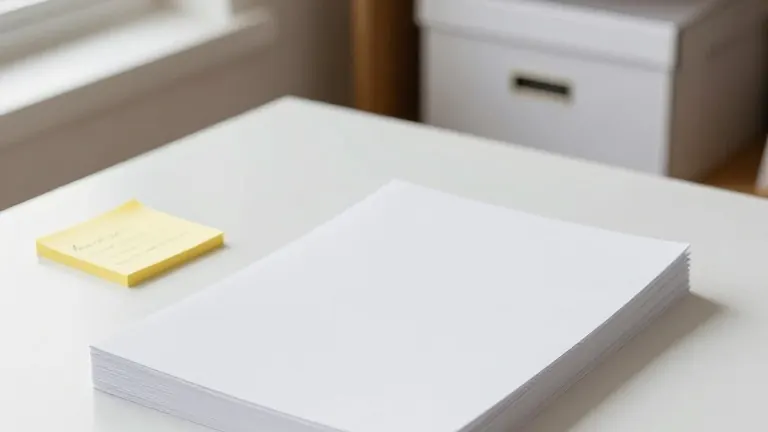
For the active stack, Paide suggests making deadlines visible. She writes due dates in bold on a sticky note using a permanent marker. She then attaches the note directly to the document. She advises using specific dates, such as due by Nov. 15, instead of vague labels like urgent. Vague labels lose their meaning quickly. Specific dates tell you exactly when to act.
Creating a filing system should match your personal preferences. You can alphabetize, color-code, or label folders. The best system is the one you will actually use. Paide stores important documents like passports and marriage certificates in a brightly colored folder. She places this folder at the front or back of a file box. This placement makes the folder easy to spot without digging through other files. She uses simple file folders and labels them with sticky notes. This allows her to re-sort the contents if needed. She stores these boxes on bookshelves. This creates a visual filing system that she describes as beautiful and approachable.
Not every piece of paper needs to be kept. Paide suggests asking yourself when you would need to produce a specific document. If the answer is unclear, it may be time to let it go. You do not need to shred every document with your name on it. The Federal Trade Commission recommends destroying items with sensitive information to prevent identity theft. This includes account numbers, birth dates, passwords, PINs, signatures, and Social Security numbers. However, you can shred to your own comfort level. For sentimental or difficult papers, Paide suggests having a family member or friend help. Talking through your thoughts can lead to quick decisions about keeping or tossing items. Paide observes that people often make these decisions shockingly fast when they speak their minds.
Organizing paper is an ongoing process. It requires maintenance and change. You do not have to finish everything in one day. Start with the nearest pile. Set a timer for 25 minutes. Work through the active items. File the inactive ones. When the timer stops, you can stop for the day.
Source: WVIZ